

Key Takeaways

  • Use gentle, unscented lotion each day, and add more when your skin feels dry.
  • Wear sunscreen with SPF 30 or higher throughout the year.
  • Look at your skin each month so you can notice new or changing spots.
  • Keep water nearby and choose colorful produce, fish, and nuts.

Simple Skin Care Habits for Older Adults in Dayton

As we age, our skin naturally becomes thinner, drier, and more sensitive. These changes are a normal part of aging, but they do mean our skin needs a little more attention. In Dayton, Ohio, seasonal temperature changes, winter heating, and summer sunshine can all affect skin comfort. But with a few small changes, you can maintain healthy skin and continue aging in the way you deserve.

The most useful everyday skin care tips for older adults include moisturizing regularly, protecting against sun exposure, checking for unusual changes, staying hydrated, and eating a balanced diet. These simple practices help maintain healthier, more comfortable skin throughout the year. At Bethany Village, we encourage older adults to take an active role in their health and well-being through daily habits that suit their lifestyles.

1. Keep Your Skin Moisturized

Our skin produces less natural oil as we get older, which makes it harder to retain moisture. Dryness often becomes more noticeable during Dayton’s colder months, especially when indoor heating reduces humidity. Regular moisturizing helps protect the skin’s moisture barrier and relieve uncomfortable dryness.

Choose a gentle, fragrance-free cream or lotion designed for dry or sensitive skin. Apply it shortly after bathing, while your skin is still slightly damp, and reapply whenever dryness develops. During winter, a humidifier can also help maintain comfortable indoor moisture levels.

2. Protect Your Skin From the Sun

Sun exposure contributes to wrinkles, dark spots, and other visible changes in aging skin. Ultraviolet (UV) radiation also increases the risk of skin cancer. Even during cloudy weather and colder seasons, UV rays can damage exposed skin.

Choose a broad-spectrum, water-resistant sunscreen with an SPF of at least 30. Apply it to your face, neck, ears, hands, and other exposed areas, and reapply every two hours while outdoors or after swimming or sweating. Wide-brimmed hats, sunglasses, and shaded seating areas provide additional protection during outdoor activities.

3. Check Your Skin for Changes

Regular skin examinations are an important part of maintaining your health as you age. Becoming familiar with your skin’s existing spots, freckles, and moles helps you recognize unusual changes. Set aside time each month to examine your skin in a well-lit room, using a mirror to check less visible areas.

Pay particular attention to spots that change in size, shape, or color. New growths, unusual marks, and sores that don’t heal also deserve attention. If you notice something concerning, arrange an appointment with your healthcare provider or dermatologist for a professional examination.

4. Drink Enough Water Throughout the Day

Hydration supports your body’s normal functions, including those involved in maintaining healthy skin. Although drinking water doesn’t replace moisturizing, meeting your daily fluid needs supports overall health. Older adults sometimes experience a reduced sense of thirst, so regular hydration deserves attention.

Keep water available during your daily activities and drink with meals rather than waiting until you feel thirsty. Fresh fruit, vegetables, and other water-rich foods also contribute to your fluid intake. Your individual needs depend on your health, medications, and activity level, so follow your healthcare provider’s recommendations if you have fluid restrictions.

5. Choose Foods That Support Healthy Skin

Your skin depends on a steady supply of nutrients to maintain its structure and carry out normal repair processes. A balanced diet provides the vitamins, minerals, protein, and healthy fats your body needs as it ages. Fruits, vegetables, fish, nuts, eggs, and beans all contribute valuable nutrients.

Try including different food groups throughout the week rather than focusing on a single food or supplement. Colorful produce provides a variety of vitamins and antioxidants, while protein-rich foods support normal tissue repair. At Bethany Village, our variety of dining experiences offers opportunities to maintain nutritious eating habits while sharing meals with neighbors.
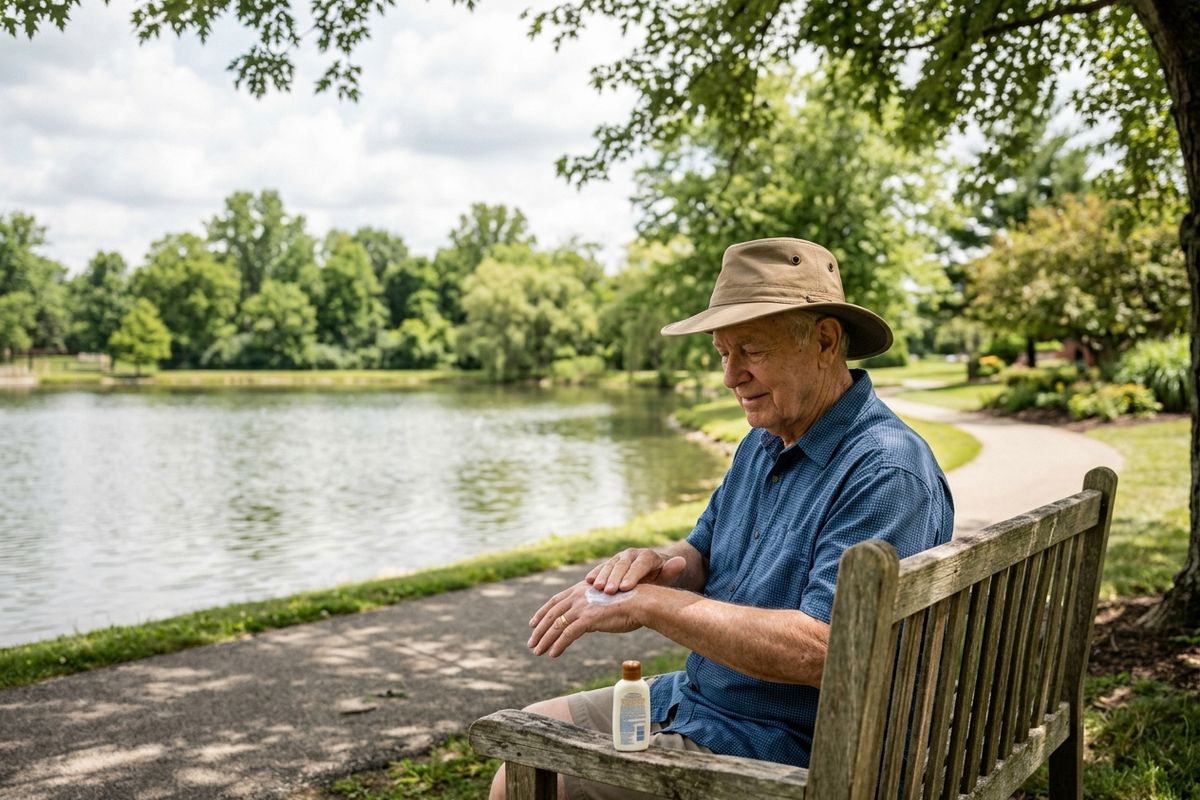
An adult in a hat rubs white lotion onto a hand while sitting on a bench beside a pond outside of their senior living community.

Easy Ways to Maintain Healthy Skin as You Age

Healthy skin care extends beyond moisturizing and sun protection. The way you bathe, choose personal care products, and handle everyday household tasks also affects your skin’s comfort.

When possible, it helps to:

  • Take shorter showers with lukewarm water to avoid removing too much of your skin’s natural oils.
  • Use mild, fragrance-free soaps and cleansers that are gentle on sensitive skin.
  • Gently pat your skin dry with a soft towel instead of rubbing it.
  • Wear protective gloves when washing dishes or working with household cleaning products.
  • Avoid scratching dry or irritated areas, and speak with your healthcare provider if itching persists.
  • Skip rough exfoliating scrubs and harsh treatments that can irritate delicate skin.

Your skin’s needs will continue to change with age, so pay attention to how it responds to different products and routines. If dryness, irritation, or other symptoms persist, your dermatologist can recommend treatments suited to your needs.

Healthy Daily Habits at Bethany Village

Healthy aging involves caring for your body through consistent, practical habits. From moisturizing and protecting your skin to maintaining a nutritious diet, these everyday choices contribute to your long-term health and comfort. Paying attention to changes and seeking professional guidance when needed are equally important parts of caring for your skin.

At Bethany Village in Centerville, Ohio, we provide an independent living lifestyle that supports your independence, interests, and everyday well-being. Our welcoming community offers dining experiences, outdoor spaces, and opportunities to connect with neighbors, so you can maintain the routines you value while spending more time on your interests. Schedule a visit today to explore our community and learn how we support healthy, active living.

 

Are you getting ready to help your parent move into an assisted living community?

If so, you may be wondering what to pack. Because assisted living apartments are limited on space, your parent will need to streamline their belongings down to just the essentials. Chances are, your parent has lived in the same home for many years, which can make downsizing a challenge.

To help you decide what to bring and what to leave behind, we’ve assembled this helpful assisted living packing checklist:

Furniture

Some families prefer to buy all-new furniture, while others want to bring familiar pieces to assisted living. Here are a few basic furniture pieces to consider bringing:

  • Small table and chairs
  • Nightstand(s)
  • Loveseat or small couch
  • Coffee table
  • Bed with sheets, pillow, and bedding
  • Desk and office chair

Remember to measure all furniture to make sure it will fit within your parent’s apartment layout.

Décor

Recreating the look and feel of your parent’s previous home can help ease their transition to a new space. While you can’t bring everything, be sure to incorporate at least a few of your parent’s favorite keepsakes.

Some décor ideas include:

  • Potted plants (live or artificial)
  • Throw pillows and blankets
  • Mirror
  • Framed photographs and artwork
  • Mementos and keepsakes
  • Clock
  • Reading lamp(s)
  • Night lights for the bedroom and hallways

Clothing

Streamlining your parent’s wardrobe can be one of the biggest challenges of downsizing. Here are some essential clothing items to bring:

  • Casual clothing
  • Jackets and coats
  • Exercise clothing
  • Formal wear
  • Pajamas and robe
  • Shoes, socks, and slippers
  • Hangars and storage containers for out-of-season clothes

Entertainment and technology

Assisted living communities keep residents busy with fun daily social events and activities. But at the end of the day, your parent may want to enjoy watching a favorite TV show or curling up with a good book in the comfort of their private apartment. Don’t forget to take along these belongings:

  • Telephone
  • Television with DVDs or a streaming device
  • Radio
  • Alarm clock
  • Tablet or laptop computer
  • Books and reading material
  • Playing cards
  • Office supplies, stationery, and stamps

Toiletries and personal items

These are the items that your parent uses every day, so they should be the last ones to pack before moving. If your parent has a favorite brand of shampoo, soap, or lotion, it’s a good idea to stock up so you can replenish their supply as needed. Some assisted living communities even offer on-site salons, so residents don’t have to travel far for hair or nail care services.

  • Toothbrush and toothpaste
  • Personal hygiene items
  • Bath towels, washcloths, and hand towels
  • Assisted devices such as eyeglasses, hearing aids, canes or walkers

Remember, space in your loved one’s new assisted living apartment will be limited.

Here’s a brief list of what not to bring:

  • Large furniture and artwork
  • Multiples of the same item
  • Tripping hazards such as loose area rugs
  • Kitchen and cooking supplies
  • Prescription medicines and over-the-counter medications/vitamins (Assisted living communities will assist residents with medication management to ensure safety.)

At Bethany Village, we know that moving a parent to assisted living is no small task. That’s why our Transition Coordinators are here to ease the transition and make sure your parent feels right at home in their new assisted living apartment.

If you’re just beginning to search for an assisted living community for your parent, we invite you to contact us to learn more and schedule a tour of Bethany Village.

Several studies have found that being “young at heart” is not just a feeling, but a mindset that can lead to positive outcomes for our health and wellbeing. When our self-perceived age is younger than our actual age—even by just a few years—it may help us live longer, healthier, and happier lives.

Here’s are some of the ways feeling young at heart can lead to healthier aging:

Better brain health

In one study, researchers performed MRI scans on the brains of 68 adults between the ages of 59 and 84 and gave them a test assessing their overall health and cognitive abilities. The researchers then surveyed the participants, asking whether they felt older or younger than their actual age.

The study revealed that the participants who felt younger than their age had a greater amount of gray matter in their brains and scored higher on memory tests than those who felt older than their age. These findings suggest that feeling young could preserve brain health as we get older and protect against the risk of cognitive decline.

Increased life expectancy

In another study, researchers at the University College London asked 6,500 men and women ages 52 and older the question, “How old do you feel you are?” About 70% of the respondents felt three or more years younger than their actual age, while 25% felt close to their actual age, and 5% felt more than one year older than their true age.

Eight years later, the researchers followed up with the participants and found that the older adults who felt three or more years younger than their actual age had a significantly lower mortality rate compared to the groups who felt close to their age or one year older than their actual age. Even when the researchers adjusted their findings for factors such as physical activity, history of illness, and socioeconomic status, the “young at heart” group had an overall lower risk of mortality.

Researchers speculate that feeling younger psychologically inspires older adults to have a more positive outlook on life and adopt better health and lifestyle habits as a result. Older adults who feel younger than their age also have more resilience, which allows them to “bounce back” after an illness or injury more quickly than those who feel older than their age.

Greater mental and emotional wellbeing

Having a younger state of mind may also lead to mental and emotional health benefits. A study found that older adults who felt younger than their actual age were less likely to experience senior health concerns such as depression and loneliness. One explanation for this finding is that older adults who feel younger than their age tend to have more active social lives, which helps them combat loneliness and isolation.

3 ways to be more young at heart:

Try new things

When was the last time you tried something for the first time? When we engage in new hobbies, activities, and learning opportunities, we’re actually challenging our brains to create new neural connections. This can help to preserve our cognitive skills as we get older. So, don’t be afraid to branch out and learn something new—your brain will thank you!

Stay social

Surrounding yourself with friends is another secret to remaining young at heart. There’s a reason people say that laughter is the best medicine! Interacting with friends usually leads to happiness and laughter, which can be invaluable for our mental and physical health. Whether you’re reconnecting with old friends or meeting new people, make time for fun activities that encourage social connection.

Volunteer

After leaving the working world, many retirees like to participate in volunteer activities. There are so many meaningful ways to give back as a volunteer, from sorting donated items to organizing fundraisers to tutoring the next generation and much more. Lending a helping hand is a great way to become involved in your community and stay young at heart.

Growing older doesn’t mean you have to feel—or act—your age! At Bethany Village, we encourage you to Enjoy Life in your retirement years. It’s never too late to try new things, make new friends, and be young at heart. After all, age is just a number!

After being discharged from the hospital due to an illness, injury, or surgery such as a hip or knee replacement, many older adults need to stay in a short-term inpatient rehabilitation center to continue their therapy treatment. Spending time in a short-term senior rehab facility allows older adults to receive round-the-clock care, treatment, and support so they can return home safely.

However, when the short-term rehab stay comes to an end, the prospect of transitioning back home can be overwhelming for rehab patients—and their family members. If your parent is discharged from a senior rehab center, it’s natural to feel uncertainty about the changes ahead and how you will adjust to them. But with some planning, preparation, and patience, you can help your parent or loved one successfully transition home and continue their recovery journey with less stress.

Here are some tips to remember when helping a loved one transition home from short-term senior rehab:

Prepare early

Planning for the transition home from short-term rehab should start well in advance of your parent’s intended discharge date. Luckily, you’re not alone in this process. The professional staff at the senior rehab center will help you understand your parent’s needs and what to expect. For example, at the Bethany Rehabilitation Center (BRC), discharge planning begins from the moment of admission. Right from the start, our social services team will meet with your family to discuss your parent’s needs and goals. By the time your parent is ready to return home, our team will ensure all your questions are answered, so the transition is smooth and seamless.

Think about home modifications

Whether your parent is returning to their home or moving into another relative’s home after their short-term rehab stay, it’s important that their living environment is as safe and accessible as possible. Pay attention to safety concerns such as proper lighting, loose area rugs, carpeted stairs, furniture arrangement, and handrail stability. Is the shower and bathroom area accessible? The addition of grab bars or a shower chair can make a big difference for your parent’s safety. Before your parent is discharged, ask the senior rehab staff about any specific recommendations they have to make their home environment more safe and comfortable.

Set recovery goals

During their short-term rehab stay, your parent may receive therapy treatment from physical, occupational, and speech therapists. Before discharge, these therapy experts set realistic short and long-term recovery goals for your parent and outline a daily routine of exercises they should continue, whether on their own or with assistance. Once they return home, help your parent stay focused on their goals. A little motivation and encouragement can go a long way in preventing the risk of returning to the hospital again.

Line up support systems

Helping a parent or loved one recover from a major illness or injury isn’t easy, but luckily, you don’t have to do it all by yourself. Don’t be afraid to ask for help, whether it’s reaching out to other family members or taking advantage of local community resources and at-home health providers. The senior rehab facility staff will connect you to trusted resources to help your parent recover safely and happily at home.

Stay positive

Rehabilitation is difficult at any age, but it may be particularly stressful for older adults. Encouraging your parent or loved one to maintain a positive attitude before, during, and after their short-term rehab stay may help to speed up the recovery process and prevent return visits to the hospital or rehab center. Even short visits or phone calls can lift your parent’s spirits and increase their confidence in their own recovery.

Finally, if you are the primary caregiver for your parent, one of the best things you can do is to take care of yourself. Prioritize your own health and wellness, and take a break if you need to. Remember, it’s okay to have extra assistance when caring for your loved one, especially if they are facing significant mobility loss and other lifestyle changes. From meal delivery to transportation services to at-home health providers, there are many resources that can make the recovery process easier for you and your loved one.

Sweet summertime is here, bringing with it plenty of sunshine and warm weather. Summer is a perfect time to enjoy fruits and vegetables because so many varieties are at their peak of freshness and quality. But did you know that these popular summer fruits and veggies can also offer some surprising health benefits for seniors? Here’s a look at five summer produce items that are both delicious and nutritious:

Watermelon

There’s nothing better than a slice of cold watermelon on a warm summer day. For older adults, this can be a particularly healthy fruit. Not only is it low in calories, but it also has an incredibly high water content–each bite is about 92% water! Older adults face a higher risk for dehydration, and this risk only increases in the hot summer months. Snacking on watermelon is a tasty and refreshing way for older adults to stay hydrated and healthy.

Tomatoes

Technically a fruit, tomatoes offer a number of health benefits to older adults. They are known to help protect against disease, maintain healthy blood pressure, and reduce blood glucose in people with diabetes. Tomatoes get their red color from lycopene, a plant compound that can help prevent certain types of cancer. Add tomatoes to salads, sandwiches, and soups, or drink tomato juice to reap these health benefits.

Berries

Summer is prime time for strawberries, blueberries, blackberries, and raspberries. These colorful summer berries are chock full of antioxidants and vitamins that help our bodies fight against illness and disease. Blueberries, in particular, have been shown to promote healthy aging. In one study, older adults ages 65-77 who drank concentrated blueberry juice every day showed improvements in cognitive performance and blood flow to the brain. Try adding berries to salads, smoothies, yogurt, or top them with whipped cream for a light summer dessert!

Green beans

In season from June through September, green beans are rich in flavor and nutrients. They are high in fiber, vitamin C, and vitamin K. They also contain folate, a vitamin that helps to fight depression. Green beans are versatile; they taste great when sauteed, tossed in a salad or soup, or baked into a casserole.

Cherries

Cherries pack some serious health benefits into a small package! They come in a variety of flavors and colors that range from yellow to dark red. Along with vitamin C and fiber, cherries – especially tart cherries – contain melatonin, which is known to provide sleep-regulating benefits. Drinking a cup of cherry juice before bed is considered a healthy and natural way to promote better sleep.

Healthy eating for healthy aging

It’s recommended that older adults eat five to seven servings of fruits and vegetables every day, but more often than not, older adults don’t reach this goal. Research suggests that adults tend to eat less fresh produce as they grow older, in part due to decreased appetite or problems with chewing or swallowing.

Retirement communities like Bethany Village know the importance of senior nutrition for overall health and wellness. That’s why our community offers residents delicious, chef-prepared meals that incorporate fresh, seasonal fruits and vegetables prepared in creative and delicious ways. Plus, with several different dining venues, the dining experience at Bethany Village was designed to foster a sense of community and friendship among residents.

Want to learn more about the dining experience at Bethany Village? Schedule a visit and stay for a meal in our community. We would be delighted to have you and your loved one join us for lunch or dinner.

As we grow older, many of us feel our faith has become more important to us. According to Pew Research statistics:

  • 68% of seniors pray daily
  • 53% attend weekly church services versus 39% for the total population.
  • 69% say religion is “very important” compared to 56% of all age groups

As you can see, faith is clearly a priority for older adults. And this spiritual imperative often coincides with the decision about where to spend our retirement years. Many times, the conveniences and benefits of retirement community living is an attractive option.

Generally speaking, retirement communities are one of two types – non-profit (often faith-based) or for-profit. The best senior living facilities, whether faith-based or not, offer excellent health care services, comfortable places to live, and social-enhancing activities. But for seniors who want all their needs to be met, including their spiritual ones, faith-based retirement living offers additional benefits.

Faith-based retirement communities care for the “whole” person

Physical and mental health needs are just as important as emotional and spiritual wellness. Faith-based facilities take care to ensure that all these needs are met while providing compassionate and competent care.

Faith-based retirement communities provide older adults with connections to others who share their faith, helping them quickly adjust to and thrive in their new home and feel welcomed and accepted. These spiritually vibrant communities also offer retirees a sense of purpose, which is crucial to feelings of self-worth. Getting involved in volunteer, social, and religious activities allows residents to share their God-given gifts with others.

A faith-based community provides for spiritual needs

In a faith-based retirement community, residents have the option to participate in worship services, Bible studies, prayer groups, discussion groups, and volunteer opportunities, all on the same campus. These opportunities allow residents to seek and expand their spiritual growth in safe and familiar surroundings, without the need to travel and leave the comfort of their community.

Additionally, many people feel strongly that their faith helps them cope in times of transition. In a faith-based retirement community, chaplains or other religious leaders are available to provide counseling and spiritual support to residents as needed.

Faith-based communities attract faithful people

There are people among us who feel God put them here to serve others – carefully, responsibly, and with compassion. These people believe in a higher calling and are frequently those who are drawn to work at faith-based organizations.

Residents in faith-based retirement communities often feel deep relationships with staff that share the same values of love for others, respect, and dignity of the individual. The caring people that work in these communities aspire to give back and contribute to something greater than themselves.

If you’re looking for retirement living options, consider the added benefits of choosing a faith-based retirement community. In a faith-based retirement community, you can feel hopeful about living among people who share many of your same beliefs and values. They will be there for you when you need them and will be a blessing to you for many years to come.

Decluttering, the process of removing unneeded or unwanted items from your living space, is often easier said than done. This is especially true for older adults living in a home that contains a lifetime of memories. While it can be hard to let go, removing unnecessary clutter from our lives is known to provide a wealth of mental and physical health benefits, helping to relieve stress, boost self-confidence, and improve mental clarity.

Let’s take a closer look at some of the mental and physical health benefits of decluttering and downsizing.

Decluttering clears the mind (as well as your space)

Research shows that being surrounded by clutter can lead to negative psychological effects, including stress, anxiety, depression, and sleep loss. When we open the door to a messy closet or look at an unorganized garage, it might evoke feelings of embarrassment or failure. On the other hand, living in a clutter-free environment helps to relieve stress and promote relaxation.

Clutter can also make it hard to focus. Our brains are easily distracted by our surroundings, making it difficult to accomplish what we wanted to do. This can lead to feelings of frustration. Organizing your spaces by clearing out clutter will help you stay on task and perform daily tasks with more ease.

Decluttering helps us feel good about ourselves

Sometimes, over-collecting becomes a harmful habit we find difficult to break. Getting rid of things that we don’t want anymore, but others could use, is another way that decluttering can have a significant positive impact on our mental health. Helping others by donating clothes, toys, tools, decorative items, or cookware is not only a good deed; it can also help to boost our own feelings of happiness and self-confidence.

Decluttering can remove safety hazards

Living in a cramped, cluttered home may also pose significant safety risks, especially for older adults. For example, clothes, books, or electrical cords that block doorways or hallways can be a tripping hazard. Removing unnecessary clutter decreases makes it easier to navigate throughout the home and decreases the chances of a dangerous fall or injury.

Downsizing opens new doors to a happier future

Thinking about how you will be able to manage a large house as you age can be overwhelming. Chores and home upkeep take up time you could be spending with more emotionally-rewarding activities like hobbies, volunteer work, exercising, or being with family and friends. Downsizing to a smaller, easier-to-manage space in a retirement community relieves you of many home maintenance tasks and frees up more time to do what makes you happy.

Explore the benefits of downsized living

If you’re looking forward to a relaxing, laid-back retirement without the hassle of daily chores and home maintenance, consider the benefits of decluttering your current home and “rightsizing” to a retirement community. With convenient amenities, friendly neighbors, and enriching events and activities, retirement communities help seniors make the most of their retirement years and enjoy life to the fullest.

Long-term romantic relationships are known to have a significant positive effect on our mental and emotional wellbeing, but they can also impact our health as well. Research demonstrates that our relationships can even help stave off the risk of chronic diseases and health problems. A study found that when compared to single or divorced adults, married couples reported experiencing fewer mobility limitations, reduced stress, and fewer chronic health conditions such as heart disease or diabetes.

Maintaining a loving, long-term bond only gets better over time, helping to increase a couple’s overall quality of life as they get older. According to recent census data, around 58% percent of older adults over the age of 65 are married. After being in a happy, loving relationship for years, it’s no surprise that many couples want to continue living together when it’s time to look for a senior living community.

However, since everyone ages differently, it’s not uncommon for couples to have different care needs as they grow older. For example, one spouse may need little or no help with daily tasks, while the other needs assistance with things like medication management or mobility. Even if one partner is in good health, it can be overwhelming for them to care for their spouse on their own.

This is where senior living comes in. To meet the needs of today’s senior couples, modern senior living communities are coming up with solutions for couples who want to live together in the same community, even if they require different levels of care.

If you’re thinking about downsizing to a senior living community with your spouse, or if you’re helping your parents look for a community, here are a few tips that will make the transition to senior living a little bit easier:

Research communities that cater to couples

While many senior living facilities allow couples to live together, every community has different options and regulations. When it comes to independent living, floor plans may range in size from one to two or even three-bedroom condos or cottages. Assisted living spaces are usually one-bedroom apartments or suites, and couples may have the option to live in the same apartment together. However, in some cases, couples may prefer to live in separate but adjoining rooms or units. It’s always best to do your research and visit several communities before making a decision.

Consider the benefits of a continuing care community

A continuing care retirement community (CCRC) is an ideal, long-term option for couples hoping to remain close as they grow older. CCRCs offer every stage of senior living–independent living, assisted living, skilled nursing care, and memory care–all on the same campus. For couples, living at a CCRC makes it possible to stay within the same community, even if one spouse experiences age-related health changes at a different rate. Couples in CCRCs rest assured knowing that if they eventually require a different level of care than their spouse, they will be able to live close by and visit for meals, activities, and socialization without ever leaving the comfort of their community.

Look for a community that offers a variety of activities

Everyone has his or her own interests, so it’s important to find a community that offers a variety of leisure and social activities for both members of the couple to enjoy–whether separately or together. When touring different senior living communities, ask about the activities, hobbies, programs, clubs, classes, and outings that are offered or arranged by the community, and make sure they are appealing and engaging to both parties.

Plan ahead and make the move early

Moving to a senior living community enables older adults to live a more relaxing, laidback lifestyle. Instead of worrying about household chores, couples can focus on their relationship and take advantage of all the perks of community living, including increased social interaction, fun activities, and chef-prepared meals. For this reason, it’s best for couples to plan ahead for the transition to senior living–before they need higher levels of care.

Downsizing and moving in early–while each partner is still in good health–allows couples to more fully enjoy the benefits of a senior living community. Additionally, planning ahead gives couples the chance to tour nearby communities, compare the different options and make an informed decision together, on their own time.

Physical therapy in a senior rehabilitation center

After being discharged from the hospital due to an illness, injury, or elective surgery, many older adults are referred by their doctor to an inpatient senior rehabilitation facility, where they receive therapy services and medical care before returning home.

But many times, older adults and their families feel intimidated or overwhelmed at the prospect of entering an inpatient rehabilitation facility, especially if they don’t know what to expect.

Don’t worry—it’s natural to feel nervous before any new experience, particularly when it involves your health care. Luckily, rehabilitation facilities such as the Bethany Rehabilitation Center exist to help older adults recover in a healing environment with support every step of the way. With short-term nursing care and a full range of therapy services, the Bethany Rehabilitation Center is designed specifically for older adults recovering from cardiac procedures, joint-replacement surgery, falls, accidents, or other major illnesses.

We recently sat down with Jessica Dutton, Director of the Bethany Rehabilitation Center, and Robyn Powell, Manager of Social Services, who explained what older adults and their families can expect during a short-term stay in inpatient rehabilitation.

What is the intake process like for someone admitted to the Bethany Rehabilitation Center?

Jessica: As part of the intake process, our admissions staff members help the rehab resident and their family complete necessary paperwork. Then, our dedicated care staff will help the resident get settled into their private room and do an initial assessment of their needs. A nurse case manager develops an individually tailored plan that addresses the resident’s requirements for different therapy disciplines such as physical, occupational, and/or speech therapy, as well as their nutrition, and medical needs. We have more than 25 dedicated care professionals working in the Bethany Rehabilitation Center, including a medical director and physician who oversee the care of residents from the time of admission.

The majority of rehab residents come to the Bethany Rehabilitation Center from a hospital stay, but we do have Bethany Village residents who are coming from our Independent Living or Assisted Living communities to receive medical management and therapy services. In fact, all on-campus residents of Bethany Village have priority admission to the Bethany Rehabilitation Center, should they need it.

Robyn: Each rehab resident is assigned a social worker, who starts the process of discharge planning from day one. We understand that for most rehab residents, their goal is to return back home, and we share that same goal. We sit down with rehab residents and their families to identify and plan for the supports they will need for a successful transition home. We work with the resident through every challenge to ensure they receive the best possible care throughout their stay and return home safely and as quickly as possible.

What’s a typical day like for someone in the Bethany Rehabilitation Center? What should families expect?

Jessica: Each individual has a customized schedule for his or her day, but in general, most rehab residents can expect to receive about 45 minutes to 1 hour of each necessary therapy discipline (physical, occupations, and speech), six days a week. We coordinate these therapy services with any additional medical care a resident may need. Our goal is to stabilize their medical needs, advance their therapy, and then prepare them for discharge with a plan for home therapy or outpatient therapy.

Robyn: We’ve found that it helps rehab residents stay motivated when family comes to visit them and brings activities for them to do together throughout their stay. Residents at the Bethany Rehabilitation Center also have the option to participate in the activities and programs happening at Bethany Village, as well as social dining in our dining rooms, if they wish. We understand that every resident has different preferences for how they spend their day, and we respect those preferences, whatever they may be.

What makes the Bethany Rehabilitation Center different from other inpatient rehabilitation centers?

Robyn: Faithful caring is at the heart of everything we do at Bethany Village. It’s what drives our staff, our social workers, our nurses, and our life enrichment professionals. It’s who we are, and the residents and families that come to the Bethany Rehabilitation Center appreciate that. We’re not only looking at the physical or medical needs of an individual, but we’re looking at the whole person and how they’ve been impacted by their acute hospitalization or medical issue. If there are emotional struggles or psychological struggles that a resident needs assistance coping with, the social service department can provide support with counseling or refer the resident to pastoral care to provide the support of spiritual counseling. We also have access to professional, licensed counselors who come to campus to work with residents.

What is the discharge process like for rehab residents? How does the Bethany Rehabilitation Center help residents transition home?

Robyn: Discharge planning is an ongoing, evolving process throughout the rehab resident’s entire stay. We pride ourselves on the level of communication our social services team has with the residents and families. We don’t want anyone to be discharged and be surprised by our recommendations for their care. As our team is noting progress and discussing recommendations, we keep residents and their families involved and educated. I believe that communication is a key component of effective discharge planning.

Our social services team also gives families referrals to local resources that can help older adults stay safely in their own home. For some rehab residents needing ongoing care, a short-term rehab stay can ease the transition to an advanced level of care in an assisted living or skilled nursing facility. If this is the case, we’re here to help families find the right fit and connect them to those resources.

To learn more about the therapy services offered at the Bethany Rehabilitation Center, please contact us today. We are happy to speak with you and schedule a tour of our facilities!

Many older adults have fascinating stories to tell about their lives, but they don’t always have an outlet to share them. The next time you visit your loved one, consider setting aside some time to interview them about their lives and memories. Here are some wonderful ways to capture and preserve your loved one’s stories for future generations.

Keep a journal

One of the easiest ways to preserve your family’s history is by simply writing it down. Ask questions to encourage your loved one to share more about their life. What was their favorite childhood memory? Who was their first love? What are some valuable lessons they learned in their life? StoryCorps has a great list of interview questions which can also serve as writing prompts.

If they are willing and able, your loved one can also write or type out their memories themselves. In some senior living communities, nonfiction writing classes are offered to help residents put their real-life stories into words. Many seniors find that writing about their lives is highly enjoyable and even therapeutic.

Create a scrapbook

Looking through photographs with your loved one is another way to help them recall memories of people, events, and stories. Especially if your loved one is living with Alzheimer’s disease, seeing photographs may help to spark their memory. As you sort through your loved one’s collection of photos, try to label them, taking note of the date, event, and the people in the scene. Assembling a scrapbook together is a great way to spend time with your loved one and ensure their priceless memories are preserved for posterity.

Record an oral history

Some families preserve their history by recording interviews with loved ones. Because many smartphones come with recording apps, it’s relatively easy to record quality audio of your loved one sharing their stories and memories. Try to record multiple interviews and conversations with your loved one over time and compile them into a cohesive audio document that can be shared with other family members.

Make a video

Today’s smartphones are equipped with cameras that make it possible to record high-quality video footage anytime, anyplace. Take advantage of the technology to capture footage of your loved ones during your next visit or family get-together. Recorded interviews, candid footage, old family “home videos” and photos can all be edited together to create your own movie masterpiece.

No matter how you choose to capture and preserve family memories, the most important outcome is the opportunity to connect with your loved one on a deeper level. Be sure to ask plenty of questions and learn as much as you can about your loved one’s stories and experiences. You will never regret spending those extra moments together!

How have you preserved your loved one’s memories? Which method do you like best? Let us know on social media: @BethanyLutheranVillage.