

For older adults living with Alzheimer’s disease or other types of dementia, staying active and engaged can make a powerful difference. Purposeful daily activities not only help reduce confusion, agitation, and wandering but also bring joy, boost confidence, and support cognitive function. In memory care communities, structured and thoughtfully designed activities are essential for promoting a sense of well-being, independence, and connection.

This guide explores five enriching memory care activities—exercise, creative arts, brain games, music therapy, and purposeful tasks—that are commonly offered in assisted living communities, and explains why they matter for seniors with memory loss. Whether you’re caring for a loved one at home or exploring memory care options, understanding these activities can help you make informed decisions that prioritize health, dignity, and happiness.

1. Physical Exercise & Movement

Why it matters: Regular movement improves circulation, supports balance, and helps manage dementia-related behaviors like restlessness or aggression. Physical activity can also release endorphins, promoting better mood and sleep.

Common activities include:

  • Chair yoga: Gentle, guided stretches that support mobility and mindfulness.
  • Tai Chi: A slow, flowing form of movement that enhances coordination and reduces fall risk.
  • Daily walks: Whether indoors or outside, supervised walking is simple and effective.
  • Resistance bands or light weights: These help maintain muscle strength without straining joints.

Is exercise safe for seniors with dementia?
Yes—with supervision and guidance. Activities are adapted to match the individual’s abilities and cognitive level, often led by trained staff who ensure safety and encouragement.

2. Brain Games & Cognitive Exercises

Why it matters: Brain training supports memory, attention, and reasoning skills. For individuals with early to moderate-stage dementia, puzzles and games can help maintain cognitive abilities and improve focus.

Popular brain-boosting activities include:

  • Jigsaw puzzles
  • Matching card games
  • Word searches and crossword puzzles (modified for simplicity)
  • Trivia games focused on familiar topics
  • Sorting and sequencing tasks

Can these games slow memory decline?
While they won’t stop dementia progression, cognitive activities may help preserve function and delay further decline—especially when combined with routine, social interaction, and physical movement.

3. Life Skills & Purposeful Tasks

Why it matters: Routine, meaningful tasks create a sense of structure and self-worth. When seniors feel useful, their mood often improves and they remain more socially engaged.

Examples of purposeful activities:

  • Folding towels or sorting laundry
  • Washing vegetables or stirring batter in a cooking activity
  • Setting the table or organizing drawers
  • Gardening in raised beds or indoor planters
  • Feeding fish, birds, or small pets within the community

Are these activities safe?
Yes. Tasks are carefully chosen and adapted to suit each individual’s cognitive and physical abilities. Even simple responsibilities can bring a deep sense of satisfaction and pride.

4. Arts & Crafts

Why it matters: Creative expression taps into emotions and memories in ways that words often cannot. Even when language skills decline, many individuals retain their ability to engage with colors, textures, and patterns.

Engaging crafts may include:

  • Painting and drawing
  • Coloring with stencils or adult coloring books
  • Simple knitting or crocheting
  • Collaging or scrapbooking with family photos
  • Clay modeling or flower arranging

How does art benefit brain health?
Studies show that art stimulates the brain’s sensory and emotional centers, helping seniors feel relaxed, focused, and accomplished. It can also enhance dexterity and reduce anxiety.

5. Music & Reminiscence Therapy

Why it matters: Music has a unique power to spark memories and soothe agitation. Familiar melodies can often trigger emotional responses or verbal expressions, even in people who struggle to communicate otherwise.

Ways music is used in memory care:

  • Listening sessions with personalized playlists
  • Group sing-alongs with classics and favorites
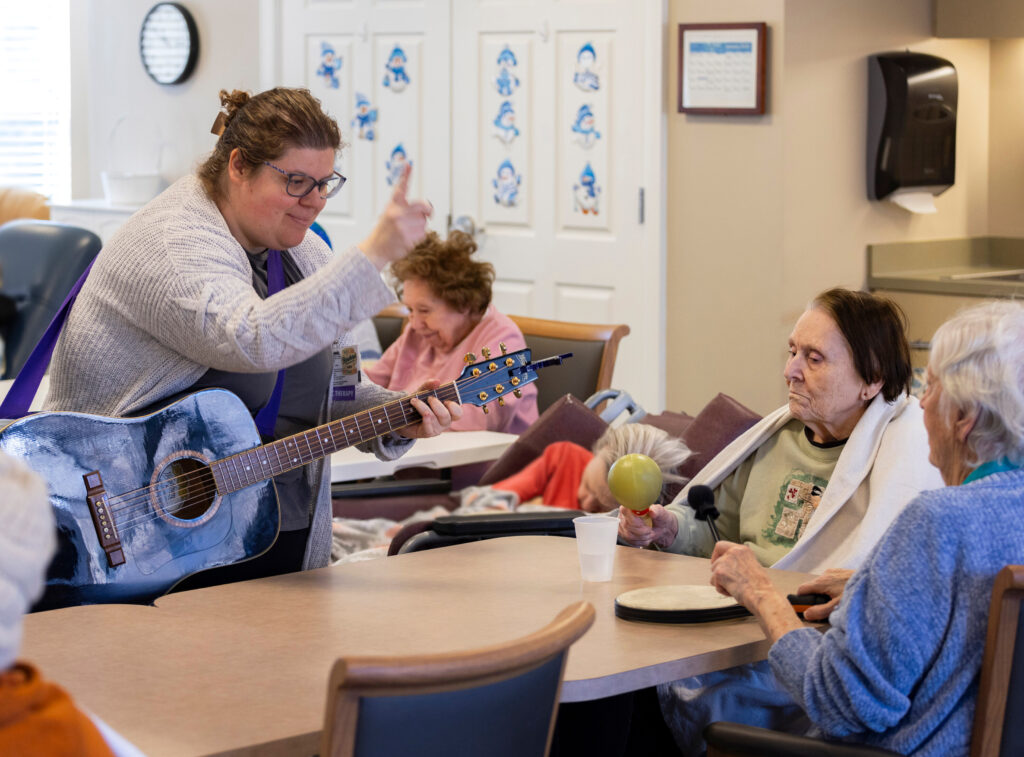
  • Drumming circles or playing simple instruments
  • Movement to music (e.g., clapping, tapping, gentle dancing)

What is reminiscence therapy?
Reminiscence therapy uses prompts like music, photos, or objects to encourage individuals to talk about their past. This can evoke pleasant memories, foster connection, and reinforce identity—helping seniors feel seen and valued.
FAQs About Memory Care Activities

Do memory care residents have a choice in their activities?

Absolutely. While structured programming is provided, residents are encouraged to participate based on their interests, energy level, and mood. Personal choice plays an important role in preserving dignity and autonomy.

Are group activities better than one-on-one?

Both are important. Group activities provide socialization and a sense of community, while one-on-one interactions offer comfort and focused attention—especially helpful for residents with higher levels of memory loss.

How often do activities occur?

In most memory care communities, there are daily programs scheduled throughout the day—from morning movement to evening calming routines. Activities are designed to follow a consistent rhythm to reduce confusion and create a comforting routine.

The Right Environment Matters

When thoughtfully designed, memory care activities can do more than pass the time—they can improve quality of life, reduce anxiety, and strengthen meaningful connections. A successful memory care program doesn’t just keep residents busy; it honors who they are, where they’ve been, and what brings them joy.

If you’re exploring options for memory care in Dayton, OH, Bethany Village offers a warm, supportive environment where personalized engagement is part of everyday life. Our compassionate team is here to help your loved one thrive with dignity and purpose. Contact us today to schedule a tour or learn more about our memory care services.
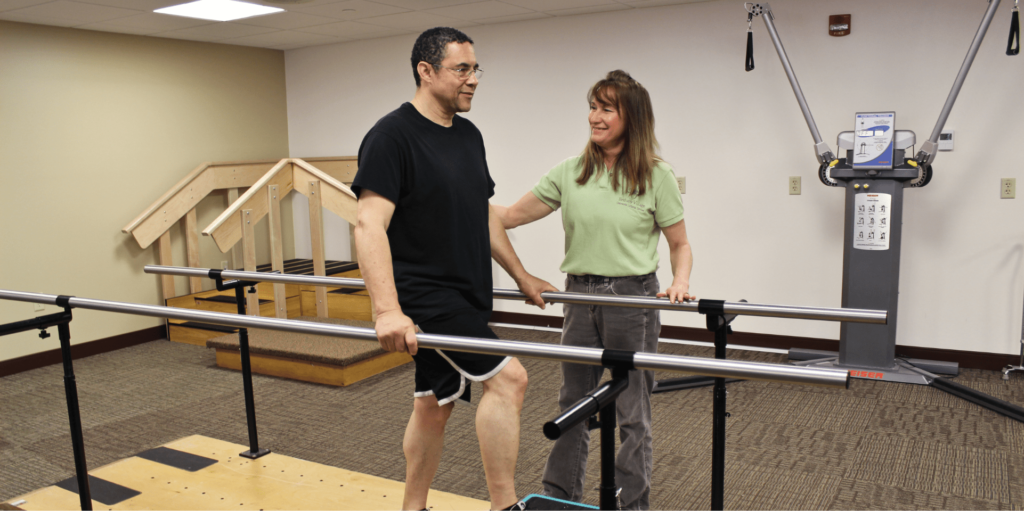
The phrase “use it or lose it” is often used to describe the importance of improving balance, strength, and mobility as we age. While it’s natural to lose some flexibility and functionality as we get older, incorporating safe, regular movement can make a world of difference when it comes to active aging—and a senior physical therapy program is an excellent place to start.

What is physical therapy?

Physical therapists are movement experts who improve quality of life through hands-on care, patient education, and prescribed exercise. Contrary to popular belief, physical therapy is not just for those recovering from major injuries. For seniors, proactive physical therapy can help them improve their balance and strength, increase mobility, and enhance their overall fitness, all of which can allow them to maintain their independence for longer and continue doing what they love most.

Here’s a closer look at some of the many benefits of physical therapy for seniors:

#1: Prevent falls

Falls are the leading cause of both fatal and non-fatal injuries in adults over the age of 65, and one in four older Americans will experience a fall each year. Even if a fall doesn’t result in a major injury, it can cause a senior to become fearful of falling again, which may make it difficult for them to stay active and maintain the same quality of life.

Thankfully, falls can be prevented. Physical therapists use special exercises to help seniors improve their coordination, flexibility, strength, and gait. Physical therapy is also used after falls to help seniors recover and reduce their risk of future falls.

#2: Relieve and manage chronic pain naturally

According to the American Physical Therapy Association (APTA), physical therapy is recognized as a natural, safe, and effective alternative to prescription pain medication to treat chronic pain conditions. Physical therapy can help patients manage their pain while relying on lower doses or less frequent doses of medicine, or even none at all.

#3: Enhance recovery and healing

Physical therapy plays a vital role in the recovery process after a serious illness, injury, or scheduled surgery such as a joint replacement. In addition to relieving pain and discomfort, physical therapy help reduce swelling and inflammation, promote healing, and ultimately speed up recovery time.

#4: Treat the symptoms of certain health conditions

Physical therapy is also used to help address the symptoms of certain health conditions and diseases that become more common with age. Seniors are turning to physical therapy for help with specific health issues such as:

  • Arthritis — Physical therapy treatments can help reduce swelling and pain
  • Stroke — Physical therapists can help seniors recovering from a stroke regain strength and function to the affected parts of the body
  • Bladder control — Although urinary incontinence is a common problem among seniors, it doesn’t have to be an inevitable part of aging. Pelvic floor physical therapy can help seniors improve strength in certain muscles to keep symptoms at bay.
  • Parkinson’s disease — Early intervention with physical therapy can help delay the progression of severe Parkinson’s symptoms and preserve a greater level of flexibility and mobility
  • Alzheimer’s disease — Physical therapy for seniors with Alzheimer’s or other forms of dementia often involves familiar types of movement such as walking, dancing, and gardening to help them promote mobility and reduce fall risks

#5: Maintain an active, healthy lifestyle

It’s never too late to reap the health rewards of exercise, which is a key component of active aging. For seniors who have been inactive for a while and want to begin an exercise routine, physical therapy provides a safe, effective way to get started. Working one-on-one with a physical therapist can help seniors gain the mobility and confidence they need to safely progress to other physical activities such as walking, swimming, golfing, or strength and aerobics classes.

In-home or on-site physical therapy: Which is right for you?

Physical therapy can be provided in a variety of different settings. For example, seniors who wish to receive physical therapy treatments in their own home may choose at-home physical therapy services. This option is ideal for older adults who need therapy treatments a few times a week but have difficulty leaving the house.

A short-term stay in an inpatient senior rehabilitation center is often recommended for seniors who are recovering from a serious illness, surgery, or injury and need daily support and therapy treatments. Specialized senior rehabilitation facilities, like the Bethany Rehabilitation Center, were designed to help older adults focus on their recovery in a supportive, healing environment.

Located on the beautiful Bethany Village campus, the state-of-the-art Bethany Rehabilitation Center provides short-term nursing care and a full range of therapy services—including physical, occupational, and speech therapy—to help seniors recuperate and get back to doing what they love. After completing their inpatient rehab stay, many seniors choose to continue their recovery with at-home physical therapy through Graceworks at Home, which delivers Bethany Village care in the comfort of home.

If you would like to learn more about the physical therapy services provided by Graceworks at Home or the Bethany Rehabilitation Center, please give us a call at (937) 433-2110 or fill out our contact form, and we’ll be in touch with you right away.

Moving is a significant, life-changing event at any stage of life. For seniors relocating from their home into an assisted living community, the transition can be especially difficult. It’s not uncommon for seniors (and their families) to experience stress about downsizing, anxiety about leaving behind familiar surroundings and losing connections with friends, and uncertainty about life in a brand new community.

Are you wondering what you can do to make the move to assisted living as smooth as possible? Keep these five tips in mind:

#1: Give assisted living a trial run

The fear of the unknown can make the idea of moving to assisted living overwhelming for seniors and their families alike. To help everyone feel more comfortable and confident about the decision, consider arranging a temporary respite care stay in an assisted living community.

Respite care allows seniors and their families to “test the waters” and find out if a community is a good fit before making a permanent move. During their respite care stay, your loved one will meet other residents and experience all the amenities, activities, services, and support the assisted living community has to offer. Meanwhile, you and your family will get to know the community’s staff and understand what to expect when your loved one becomes a resident. In this way, respite care can be a valuable step in the process of moving to an assisted living community!

#2: Start the downsizing process early

After finding the right assisted living community for your loved one, it’s important to start the downsizing process as early as possible. Downsizing a house full of memories can be difficult physically and emotionally for everyone involved. It may take longer than you think to sort through your loved one’s belongings and help them decide what to keep, pass down to family members, or donate. A good place to start is by understanding the square footage of your loved one’s new assisted living apartment, which will help as you plan for furniture size and storage needs.

When time is of the essence, working with a professional organizer or senior move manager can help make downsizing a smoother, more seamless transition. At Bethany Village, our Transitions Coordinators are here to connect families with trusted local resources to help with every step of the moving process.

#3: Make their new space familiar and inviting

Adjusting to a new living space takes time, but including a few familiar pieces will go a long way in easing your loved one’s transition to assisted living. For example, even if your loved one needs new furniture to fit their assisted living suite, you could select familiar colors and arrange the room similarly to their previous home. Another tip is to display favorite family photos, artwork, decorative items, and mementos prominently. Paying attention to the little details can make a new, unfamiliar space feel more like home.

#4: Encourage them to get involved

As soon as your loved one becomes a resident, they’ll have endless opportunities to get involved in life enrichment activities and fun social events. Before move-in day, review the community’s calendar with your loved one and encourage them to choose one or two activities to try. Participating in community events is a great way to meet other residents who share common interests and passions.

At Bethany Village, we have dedicated social workers assigned to each family and resident to make the transition process even easier. We encourage families to meet with their social worker in advance to let them know of their loved one’s favorite hobbies and interests. This way, your loved one will have another familiar face in the community encouraging them to venture out. Before long, your loved one will be making new friends and finding new things to look forward to each week!

#5: Keep in touch

Before your loved one’s move, it’s a good idea to coordinate a schedule for family members to visit or call. Setting aside some time to check-in will help your loved one feel loved and appreciated as they get used to their new home. Once your loved one is settled in and getting involved in regular community activities, you may need to set up a new visiting schedule to fit their routine.

Be patient and stay positive!

Helping an aging loved one move to assisted living is a big life change that will come with its share of highs and lows. Don’t worry if everything doesn’t go as smoothly as you expected, especially in the first few weeks. It will get easier! Be patient, stay positive, and remember that you’re making the best decision for your loved one.

Start the senior living search

If you know your loved one needs more daily assistance, but you’re not quite sure where to start, Bethany Village has a useful tool to help families evaluate what living options might be a good fit. Use this quick 4-5 minute survey to weigh your options.

To arrange a respite care stay at Bethany Village or schedule a tour of our beautiful community, please contact us today. We’d love to hear from you and answer any questions you may have!

When you or an older loved one begins to need extra support at home, enlisting the help of a home health care provider can be invaluable. Home healthcare makes it possible for seniors to “age in place” by offering a range of medical services to help them remain safe, happy, and healthy in the comfort of their homes.

Today, there are many different types of home health care providers, but not all offer the same quality of care. As you research and compare home health care options to find the best fit, be sure to ask the following questions:

#1: What is the provider’s background and reputation?

Reputation matters when choosing a home health care provider. How long have they been providing services? Is the provider part of a large corporate chain, or local to your community? Are they recommended by health care professionals, caregivers, and patients? Reading online reviews can provide some insight into a provider’s reputation and give you an idea of what to expect.

#2: What types of services does the home health care provider offer?

Some home health care providers only specialize in certain services or levels of care. But because older adults’ care requirements change over time, it’s best to look for a provider that offers a wide range of in-home care services to ensure their needs are covered now and in the future.

For example, Bethany Village Home Health Care provides skilled nursing and licensed therapy services in the comfort of home, including physical, speech, and occupational therapy, wound care, IV therapy, and medication management.

#3: How does the home healthcare provider select and train its employees?

When choosing a home health care provider, you want to know that you’re bringing in people into your home that you can trust. Don’t be shy about asking questions to find the best fit for yourself or a loved one. How does the provider select its caregivers? Do they perform thorough background checks? Do employees receive ongoing training?

Bethany Village Home Health Care is part of Bethany Village , one of the area’s premier senior living communities, which means our skilled nurses and therapists are thoroughly screened and trained to ensure they meet our high standards of quality.

#4: Is the provider highly rated for patient satisfaction?

Medicare.gov gives patient satisfaction surveys each year, asking patients (or their family or friends) about their home health care, and if they would recommend that agency to someone else. Bethany Village Home Health Care has been rated 5 stars for patient satisfaction — the highest rating — reflecting our commitment to quality care and personalized services.

#5: How does the provider include the patient and their family in the care plan?

Before choosing a home healthcare provider, be sure you understand their process. How do they assess a patient’s current and potential needs and develop a customized care plan? Are treatment plans and services documented and explained to the patient and their caregivers? How does the provider communicate with family members about their loved one’s progress, changes to their care plan, or any other concerns?

When it comes to home healthcare, you have a choice!

Whether you or a loved one are recovering from an illness or injury you can count on Bethany Village Home Health Care to provide exceptional quality care in the comfort of home. The compassionate caregivers at Graceworks at Home deliver a range of professional at-home care services — including skilled nursing and licensed therapy services — with the same dedication to Faithful Caring as the staff at Bethany Village.

To learn more and arrange at-home care for yourself or a loved one through Bethany Village Home Health Care, please contact us today.

If you have a parent or loved one living with Alzheimer’s or another form of dementia, planning ahead and finding a memory care community is one of the best decisions you can make for their long-term health and wellbeing.

Especially in the early to mid-stages of dementia, assisted living memory care can provide priceless peace of mind for your loved one and your family. In an assisted living memory care community, residents benefit from 24-hour care, enriching activities and therapies, and gentle support, enabling them to maintain a higher level of independence and make the most of each day.

If you’re starting to search for assisted living memory care for your loved one, it’s important to understand that not all communities are alike. By asking thoughtful questions and touring your top choices, you can determine if a community is the best fit for your family.

Below are five important questions to ask when researching and touring memory care facilities:

What are your loved one’s current needs?

First, you’ll need to identify the level of care your loved one requires to determine if the memory care community can meet their needs. Talking to your loved one’s doctor can help you gain an understanding of the care they currently need and what to expect down the road.

For example, your loved one might need assistance with activities of daily living such as grooming, bathing, dressing, eating, and managing medications, but may not yet require ongoing medical attention or treatments. Choosing an assisted living memory care facility that’s part of a continuing-care retirement community will ensure that your loved one has access to the care they need now and in the future.

Do caregivers have dementia-specific training?

Ideally, you will choose a memory care community that employs highly knowledgeable, experienced staff members who understand the unique challenges of caring for individuals in each stage of dementia. Ask about the type of training staff members receive and if the community invests in ongoing education, so caregivers are always up-to-date on the best practices and latest dementia care techniques.

What amenities and features are available within the community?

Modern memory care communities offer ??a variety of amenities and comforts to make residents feel at home. As you research and tour memory care options, consider which features are most important to you and your loved one.

  • Are living spaces private or shared with other residents? A private room may feel most comfortable and familiar to your loved one.
  • How often are meals provided? Are snacks and beverages offered between meals? Are special dietary requirements accommodated?
  • Are there on-site amenities, like a movie theater, fitness center, beauty salon, and a library?
  • Are there enclosed courtyards so residents can safely enjoy the outdoors?

What types of memory therapies and activities are offered?

Memory-enhancing therapies and activities help individuals with dementia maintain dignity and preserve their sense of self. Ask about the different therapies offered by the memory care community, such as:

Music therapy, which involves listening to familiar tunes, singing along, and playing instruments like drums and tambourines to stimulate memories and boost mood.

Pet therapy, which helps to reduce stress and anxiety through interaction with therapy dogs, rabbits, birds, and other animals.

Art therapy, which prompts self-expression, communication, and reminiscence through guided art projects such as painting, drawing, and crafting.

In addition to these specific therapies, memory care communities may offer person-centered activities such as conversation-starter programs, brain games and puzzles, gardening and floral arrangement, and other entertaining activities tailored to residents’ individual interests.

What security measures are in place to protect residents?

Safety and security are absolutely crucial when choosing an assisted living memory care community because wandering, confusion, and agitation can be common among people with Alzheimer’s and dementia. You’ll want to find a well-secured community that includes intentional design elements and soothing, easy-to-navigate spaces that minimize confusion. Key features to look for include 24-hour security monitoring, secured entrances and exits, and personal alert systems so residents can quickly request help when needed. Find out what procedures the memory care community has in place to protect residents and communicate with family members in the event of an emergency.

Is it Time for Memory Care?

Choosing an assisted living memory care community for your loved one is a big decision. Many families choose to begin the search for memory care early, while their loved one is still independent, so they’re well-prepared when a higher level of care is needed. A good starting point is to take a quick senior living assessment to learn about the different options available — including Pavilion Assisted Living Memory Care at Bethany Village.

As part of Bethany Village’s continuum of care, which includes skilled nursing memory care, moving to Pavilion Assisted Living Memory Care guarantees that your loved one will be surrounded by faithful caring in every stage of their disease. More than providing a safe, secure place to live, Pavilion enhances residents’ quality of life with enriching therapies and meaningful activities offered every day.

See What Life is Like in Pavilion with a Respite Care Stay

If you’re beginning to compare assisted living memory care options, consider scheduling a short-term respite care stay at Bethany Village. During their respite care stay, your loved one will enjoy the same personal care, amenities, and support as our assisted living memory care residents while their family caregivers enjoy peace of mind and a well-deserved break.

Respite care is a wonderful opportunity for your loved one to meet our staff, interact with residents, and experience what it’s like to live in the community before calling Bethany Village home. Many families find that respite care makes the decision to transition to assisted living memory care easier for everyone!

Learn more about respite care and Pavilion Assisted Living Memory Care today. Please call us at 937-433-2110 or fill out our contact form to request more information and arrange a private tour of our beautiful community.

Feeling “young at heart” is more than just a saying. It’s a powerful mindset that can actually impact our health and wellbeing as we get older. Studies have found that seniors who feel younger than their actual age may even live longer compared with those who feel their age! By adopting healthy habits and an optimistic outlook toward the future, anyone can feel younger than their years and benefit from the power of positive aging.

What is positive aging?

Positive aging, also known as “healthy aging,” is the view that aging is a healthy, normal part of life. With the right supports, seniors can continue enjoying the activities and aspects of life that are most important to them as they grow older. Senior living communities that embrace the concept of positive aging, like Bethany Village, take a holistic approach to senior care by taking residents’ physical, mental, social, spiritual, and emotional health and wellbeing all into account rather than measuring physical health alone. In this way, senior living communities help residents not only age well, but live happier and more fulfilling lives.

What can you do to maintain a positive outlook on life and experience the power of positive aging? Here are a few important steps to take:

#1: Keep moving

Exercise is one of the best things you can do for your health — at any age. Regular physical activity is a proven way to reduce stress, maintain strength and balance, and enhance and protect brain function. Best of all, living in a senior living community makes it easy and convenient for seniors to focus on their fitness goals.

For example, Bethany Village features a state-of-the-art fitness center with free weights, treadmills, recumbent bikes and steppers, and other low-impact, easy-to-use equipment with senior fitness experts nearby to provide help when needed. Residents may also choose to participate in an array of fun, engaging group fitness classes for every level of ability. For residents who enjoy walking for exercise, Bethany Village features beautiful outdoor trails and indoor pathways that unite the entire community.

#2: Do what brings you joy

Another way to feel young at heart as you grow older is to pursue your passions and the activities that you love. One of the biggest benefits of moving into an easier-to-maintain residence in a senior living community is having more freedom to expand on your current hobbies or even take up a new one if you choose. Because residents no longer need to worry about household chores and repairs, yard work, and cooking every meal, they can spend their time on things that give them a sense of purpose and joy. From volunteering to traveling, exploring artistic abilities, joining clubs, and learning new skills, the possibilities are endless!

#3: Stay socially engaged

Living in a vibrant social environment is another secret to positive aging. Where we live can impact our wellbeing — for better or worse. For example, seniors who are socially isolated may experience poorer physical, mental, and emotional health outcomes than those who enjoy a strong support network with daily opportunities for socialization.

The desire to be actively involved in a community with people of the same age is a compelling reason for many seniors to move from a longtime home into senior living. Being surrounded by friendly neighbors and making friends who share similar interests through social activities and on-campus events can significantly improve a senior’s outlook and quality of life as they grow older.

Feel Young at Heart, No Matter Your Age!

It’s never too late to try new things, form new friendships, and feel young at heart. After all, age is just a number!

At Bethany Village, we witness the benefits of promoting positive aging every day. By providing faithful caring and safe, comfortable accommodations for every lifestyle, Bethany Village makes it possible for residents to pursue their passions, maintain close relationships, and celebrate the everyday joys that make life meaningful.

Experience the Power of Positive Aging at Bethany Village

Bethany Village promotes positive aging at every stage by offering the complete spectrum of senior care on one campus, including independent living, assisted living, memory care, skilled nursing care, and an on-campus rehabilitation center. To request more information and schedule a private tour of our senior living community, please contact us today!

Bethany Rehab Center patient with aide walking with parallel bars
Bethany Rehabiliation Center

After spending time in the hospital, whether for an illness, accident, or planned elective surgery, seniors are often faced with the decision to either recover in a short-term rehabilitation facility or at home.

While it’s natural to want to get back to a familiar setting as soon as possible following a hospital stay, there are significant benefits to choosing an inpatient senior rehab center instead of returning home. In many cases, healthcare providers will recommend senior patients arrange a short-term rehab stay and home healthcare services to promote a safer, faster, and successful recovery.

What is short-term senior rehab?

Short-term senior rehabilitation, also known as post-acute rehab, offers seniors round-the-clock care and therapies as they recover after a hospitalization due to a fall, joint replacement or other surgery, or illness. Seniors will typically stay in a short-term rehab facility for 21 days or less depending on their care plan, allowing them to recover in a supportive, healing environment.

Some senior rehabilitation facilities, like the Bethany Rehabilitation Center, are part of continuing-care retirement communities (CCRCs) and provide additional services such as medication management, nutrition and dietary guidance, pastoral care, and life enrichment activities.

How can short-term rehab care promote faster recovery?

Short-term rehabilitation offers a number of unique advantages for seniors, helping them regain strength and confidence as they transition from hospital to home. Here’s a look at some of the ways short-term rehab promotes a smoother recovery:

24/7 personalized care and support

In a short-term rehabilitation center, an interdisciplinary team of nurses, therapists, social workers, and physicians work together to create a coordinated treatment plan for each patient. Depending on an individual’s needs, this may include wound care or IV treatment, medication management, and therapy treatments such as physical therapy, occupational therapy, or speech therapy.

Because short-term rehab patients are always surrounded by caring professionals, the recovery process is comprehensive and consistent. There’s no need for patients or their families to worry about arranging transportation or remembering to do therapy exercises at home — instead, they can relax and focus on getting better. The 24/7 care provided in short-term senior rehab also means that extra help is always close by in case of an emergency or health setback. In this way, inpatient rehab helps seniors speed up their path to recovery while providing priceless peace of mind.

Comfortable, Peaceful Setting

Unlike the cold and clinical nature of a hospital environment, short-term senior rehab facilities are designed to be warm and inviting. For example, the Bethany Rehabilitation Center offers private rooms and bathrooms, beautiful outdoor spaces and walkways, delicious dining options, a beauty salon, and enriching activities to provide seniors with maximum comfort and convenience. With everything in one place, short-term rehab patients are able to focus on recovering, healing, and resting.

Emotional support and encouragement

Rehabilitation is not just physical; it’s a mental and emotional experience, too. Every patient has different needs and challenges to overcome, and it’s normal to feel frustrated, discouraged, tired, angry, or upset during the rehab process. Receiving daily support and encouragement from a caring and compassionate rehabilitation team can make all the difference in helping seniors stay motivated and continue their progress.

Plan Ahead for Short-Term Senior Rehab — and Beyond

Recovery is a long journey. Even after returning from a short-term rehab stay, it’s often necessary for seniors to continue receiving therapy treatments, skilled nursing care, or personal assistance at home to fully recover. In this stage of their rehabilitation, seeking help from a home healthcare provider can enhance a senior’s daily life, improve their independence and safety at home, and prevent return visits to the hospital.

In the case of elective surgery, such as a joint replacement, doctors often recommend seniors and their families have a recovery plan in advance. It’s important to remember that not every short-term senior rehab facility or home healthcare provider is alike, and patients have a choice in where they’d like to receive care. It’s well worth taking the time to research, tour, and compare the options to ensure you select a rehab center and home healthcare agency that provides the amenities and services you want and need.

If you’re considering senior rehabilitation for yourself or an older loved one, we invite you to learn more about Bethany Village’s state-of-the-art on-campus rehabilitation center, as well as our at-home healthcare services offering Bethany Village care in the comfort of home. We’re always happy to answer your questions and help your family make an informed decision.

Chances are, you first experienced the fun and freedom of creating art at a young age. As children, art is one of the first ways we learn to express ourselves and explore the world around us. As we get older, our need for the stimulation, joy, and sense of satisfaction that comes from creative expression doesn’t fade. We can all benefit from creating, no matter our age or level of artistic ability!

In fact, visual art is frequently used in memory care communities as a way to enhance the lives of residents with Alzheimer’s disease and other forms of dementia through a practice called art therapy.

What is art therapy?

Art therapy is a therapeutic practice that combines art and psychology to support individuals’ mental, emotional, and behavioral health and wellbeing. Anyone can benefit from art therapy, from young children to older adults. For individuals living with dementia, art therapy provides a meaningful creative outlet and avenue for expression when other forms of communication become more challenging. Art therapists and trained care professionals can facilitate art therapy programs in memory care communities to enrich the lives of residents and help them enjoy a greater sense of purpose, accomplishment, and self-confidence.

What are the benefits of art therapy?

Here’s a look at some of the many advantages of art therapy for individuals in memory care communities.

Art therapy stimulates the brain

Art has always been a way to express creativity and emotions through various mediums, from painting and drawing to sculpting with clay. For individuals with Alzheimer’s or another form of dementia, participating in art therapy can also be a powerful way to boost cognitive function in different areas of the brain.

While there’s currently no cure for dementia, the cognitive benefits of art therapy are apparent. Like other forms of creative interventions like music therapy, art therapy has the remarkable ability to bring memories and stories to the surface. While completing an art project, participants will often experience moments of clarity, contentment, and happiness as they reminisce on their lives.

Art therapy relieves stress

It’s an unfortunate fact that individuals with dementia often experience stress, anxiety, depression, and other mental health concerns as their disease progresses. Facing these negative emotions can be even more frustrating for individuals who may find it difficult to communicate their thoughts and feelings verbally.

Through art therapy, participants can express themselves without saying a word. Engaging with creative activities is also known to provide mood-boosting benefits by alleviating stress and leading to greater resilience and fulfillment.

Art therapy helps promote mobility and dexterity

Whether it’s holding a paintbrush or shaping clay, creating art involves some degree of movement and fine motor skills. By practicing art regularly, older adults can improve their overall coordination and retain muscle function. In art therapy programs, the projects are always catered to the participant’s abilities and interests, and assistance is offered if needed.

Art therapy encourages connection

In memory care, art therapy involves more than creating art; it also provides a meaningful source of social interaction and connection. The trained facilitators leading art therapy programs will initiate conversations during art projects by asking questions and providing encouragement.

Creating art as a group provides a way for individuals to build bonds with caregivers and other participants, helping to reduce isolation and loneliness that can be all too common among those living with dementia. Participating in art therapy may even help individuals with dementia recall memories that strengthen their connections with family members.

Opening Minds Through Art at Bethany Village

At Bethany Village, we’re proud to offer Opening Minds Through Art (OMA) for residents in our newly renovated Assisted Living Memory Care community, Pavilion. OMA is a form of cognitive stimulation therapy that builds relationships and sparks memories through one-on-one art projects catered to the interests, preferences, and memory care needs of the resident. The OMA program, combined with our music and pet therapies, all work together to promote the social engagement, dignity, and self-expression of our residents so they can make the most of each day.

Would you like to learn more about Pavilion Assisted Living Memory Care and life at Bethany Village? Please contact us today to request more information. We’re always happy to answer any questions you may have!

There’s no denying that music is powerful. Hearing just a few notes of a familiar song can transport us back in time, stir up emotions, and evoke memories from the past. This is why music therapy is so effective for older adults with Alzheimer’s disease or other forms of dementia.

In memory care settings, music therapy involves a variety of musical activities such as listening to music, making music, and moving to music. Participating in a music therapy program not only helps to address cognitive issues but it can also improve an individual’s physical, emotional, and social wellbeing.

Here’s a closer look at some of the remarkable benefits of music therapy in memory care:

Improve communication

Music therapy provides a meaningful way for those in memory care to connect with others and express themselves, even if their speech and language skills are declining. In addition to listening to music, individuals are encouraged to sing, hum, and clap along to well-known tunes. Individuals who were nonverbal may even begin to communicate again and express their emotions when music is playing.

Reduce stress and anxiety

Along with memory changes, people with dementia or other memory issues often experience feelings of stress, anxiety, and agitation, sometimes leading to aggressive behaviors. Music has the amazing ability to help ease these feelings and provide mood-boosting benefits. Simply listening to calming music can lower the body’s levels of cortisol, the hormone that contributes to feelings of stress and anxiety.

In memory care, music therapists will select songs with specific instruments, rhythm, and lyrics to elicit positive emotions and make participants feel comfortable and relaxed. Music can be particularly beneficial in addressing sundowning, which occurs when those with dementia or other memory issues become confused, disoriented, and agitated in the evening hours. Playing soft, slow songs such as lullabies can help individuals wind down for the night and prepare for bedtime.

Promote movement

Another big benefit of music is that it inspires movement. Physical activity is essential at any age to keep the mind and body active, and individuals living with memory conditions can significantly benefit from moving along to music. During music therapy, participants enjoy easy movement by playing simple musical instruments like maracas, drums, or tambourines. Additionally, movements such as clapping, tapping feet, and dancing are encouraged in music therapy.

Explore the Benefits of Music Therapy at Bethany Village

Evoking memories, improving communication, reducing stress and anxiety, and promoting movement are just a few of the many important reasons music therapy is so important for older adults in memory care communities.

At Bethany Village, we are proud to have a full-time certified music therapist on staff who works extensively with residents at Pavilion, our newest Assisted Living Memory Care Community. This innovative music therapy program provides powerful benefits to residents living with Alzheimer’s or other memory-related conditions.

For more information about life at Bethany Village and our music therapy program, please contact us.

Pets for Seniors

Pets fill a very special role in our lives, providing companionship, joy, acceptance, and unconditional love. Interaction with animals can also offer significant mental, physical, and emotional health benefits for people of all ages, particularly older adults. Today, let’s take a look at the mutually beneficial relationship between pets and seniors.

Pets and Health

If you’ve ever felt your stress melt away while petting a furry friend, you know about the positive benefits of bonding with animals. In fact, research shows that just 10 minutes of petting a cat or dog prompts the release of “feel good” hormones while lowering levels of stress hormones. Other studies have found that interacting with dogs can help to lower blood pressure and heart rate levels, which reduces the chances of heart disease and stroke.

Caring for a pet can also help older adults stay active and independent in retirement. Daily tasks such as taking walks or playing, cleaning up messes, and dishing out food help pet-owning seniors stay busy and maintain better mobility. More opportunities to socialize is another top benefit of pet ownership for seniors. For example, walks around the neighborhood or trips to the dog park can naturally facilitate friendships with neighbors and other animal lovers!

Choosing a Pet

When it comes to choosing a pet, it’s important to find a companion that matches your personality and lifestyle. For example, many older adults are happier with a lower-maintenance adult dog or cat rather than a high-energy puppy or kitten. Other easy-going pet options include birds, rabbits, and fish. Before making a decision, carefully consider the time, energy, and effort you can commit to owning a pet.

Pets in Retirement Living

After recognizing the incredible benefits of pet ownership for older adults, many of today’s independent living communities are now pet-friendly and allow residents to bring a small dog or cat as long as they meet the community’s criteria.

Some retirement communities, including Bethany Village, even offer pet therapy programs for assisted living and memory care residents. Licensed pet therapy animals such as dogs, cats, and rabbits are well-trained and friendly, giving residents the chance to bond with an animal without the daily responsibility of taking care of a pet.

If you’re thinking about making the move to a pet-friendly independent living community or retirement community that offers pet therapy, we invite you to explore the benefits of Bethany Village. For more information, fill out our contact form or call (937) 433-2110.