

Key Takeaways
- If you have little time to sleep, eat, or see friends, you may need more support as a spouse caregiver.
- Frequent help with daily routines and care through the night may point to a need for memory care.
- You can ask others to share care while you explore longer-term options.
- Memory care can help your loved one receive daily support while you remain a close part of their life.
When Care for Your Spouse Becomes Too Much to Carry
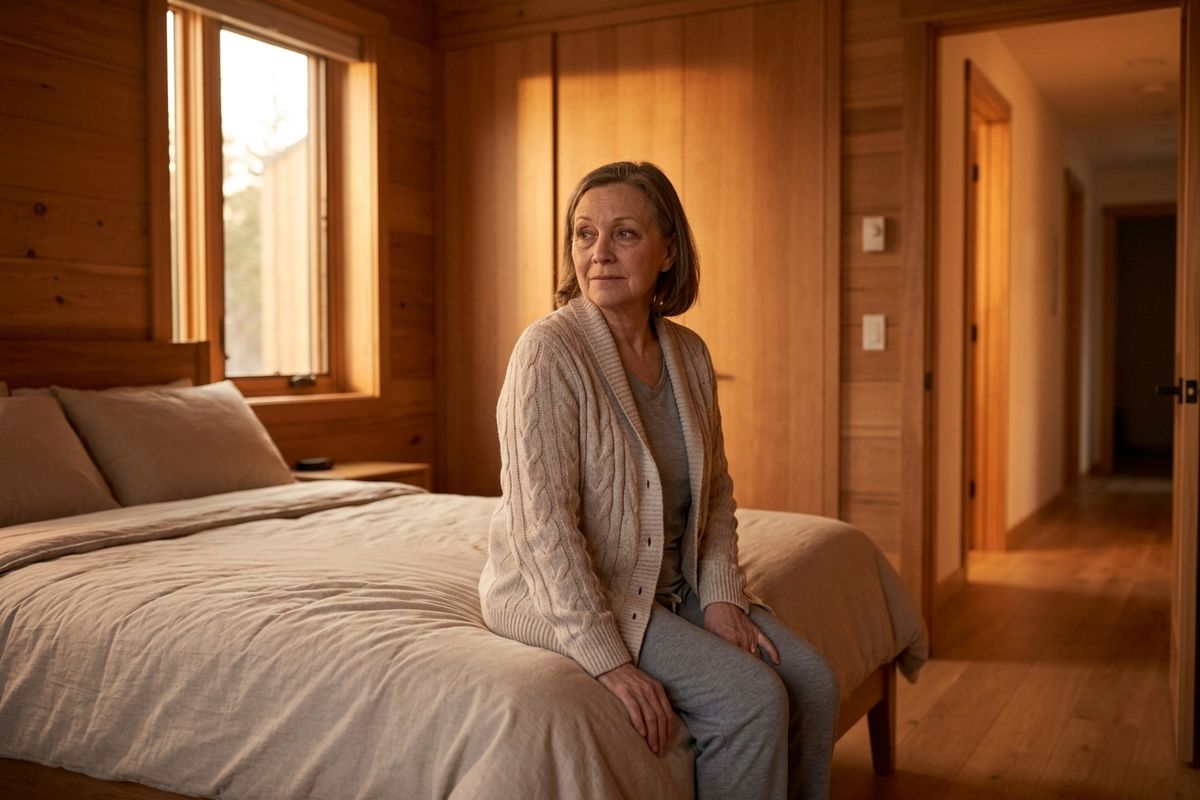
You help your spouse get dressed, prepare meals, and stay safe throughout the day. By evening, you feel ready to rest. Yet you hear the floorboards faintly creaking, and you can’t help but feel worried, again. At Bethany Village, we know that you love your spouse. But your physical and mental health matter too.
Memory care is an option worth looking into if care leaves you with little time to rest or meet your own needs. It can offer your spouse the support they need while giving both you and them time back together as partners.
Signs of Spouse Caregiver Burnout
Are you putting off your own plans because your spouse needs help with another meal or appointment? There are a few signs to look out for in your own day.
- You rarely get enough sleep or a quiet hour to rest.
- You feel worn down by care tasks that repeat each day.
- You skip meals, miss time with friends, or delay your own appointments.
These signs deserve your attention even if you feel that daily routines are still manageable. You don’t need to wait until you feel completely worn out to ask for support.
When Your Loved One May Need Memory Care
Consider how much help your spouse needs across a full day. You may help them choose clothes, get ready for meals, or follow a steady, familiar routine. If these tasks now call for increasingly frequent support, it may be time to learn what memory care offers.
Think about safety at home too. Perhaps your spouse walks through the house at night, and that worries you. Or maybe they can’t seem to find where a certain room is. These are genuine concerns that call for extra support.
How You Can Share Care Before a Move
You don’t have to make every choice alone. Start with a clear request to someone you trust. A friend or family member might be able to sit with your spouse while you attend an appointment. Sometimes, all you need to do is ask.
There are support groups where you can talk with others who care for a loved one. These options can give you room to rest and new ideas for care.
As others step in, note what your spouse still needs throughout the day. This can help you decide if ongoing support is needed.
How You Can Explore Memory Care in Dayton, Ohio
When looking into memory care in Dayton, Ohio, begin with the life your spouse has led. Their favorite morning drink, a familiar song, and the time they like to eat. These are all details that can help you ask useful questions during a visit.
Talk with Your Spouse and Family
Share the changes you’ve noticed with your spouse and your family in a calm and conversational manner. It’s a great way to make sure that everyone is on the same page.
Also tell family members what a typical day involves, including the times you need a hand. It might also help to ask them what they’ve noticed and what support they can offer.
Plan for Care and Visits
During a tour, ask how staff help residents with daily routines and how families stay in touch. You can also discuss when you’d like to visit and how you hope to spend that time together.
Don’t be afraid to ask questions specifically about your spouse’s care. Write down their routines and preferences before you tour. Bring those notes so your questions stay focused on your loved one.
Your Role as a Spouse Still Matters
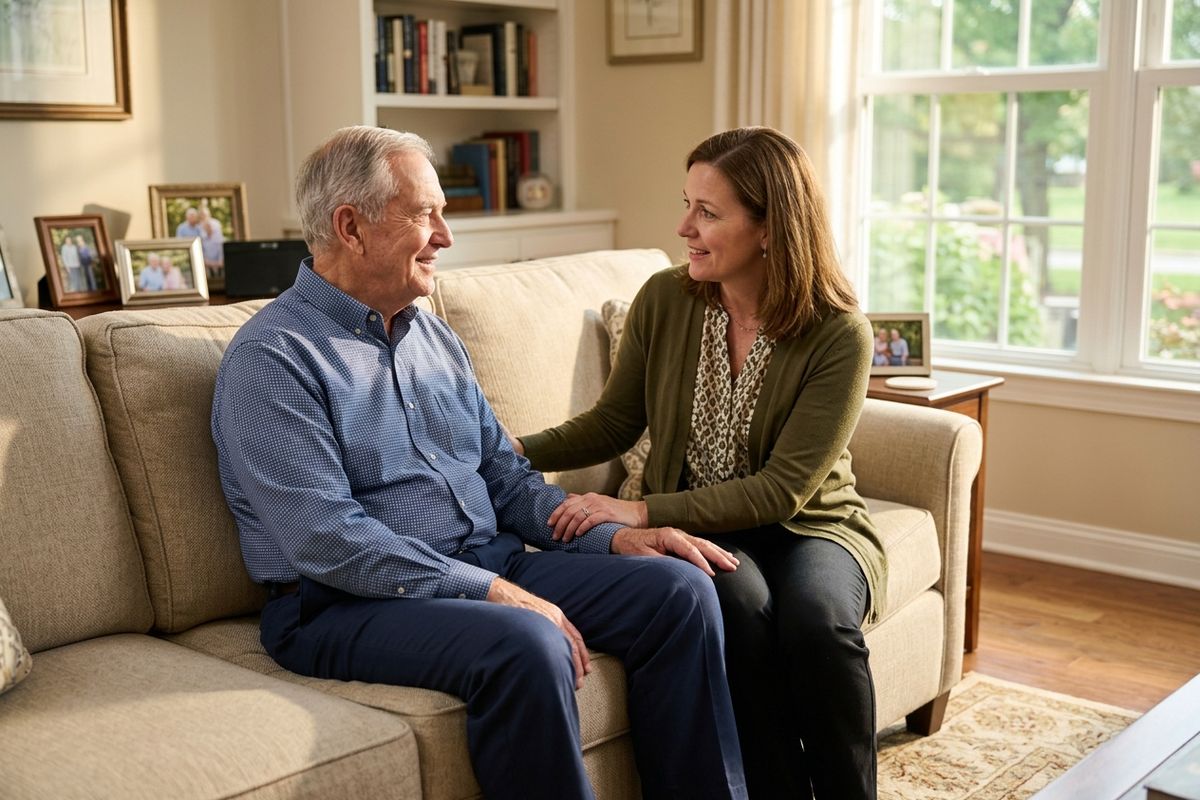
Accepting help doesn’t change the bond you share. The right support can give you more space for a conversation over coffee, a walk together, or a quiet visit. Your care and presence still matter, as always.
If you’re considering memory care for your spouse, don’t hesitate to schedule a tour of Bethany Village or complete an inquiry form. You can bring your questions, see our community, and learn about Bethany’s memory care program that isn’t built around a diagnosis, but around a person. The person your loved one has always been. We’re always here to give you and your loved one a helping hand.