

Key Takeaways

  • Social connection plays a large role in the overall well-being of older adults, affecting both mental and physical health.
  • Noticeable changes in daily routines, such as eating or sleeping habits, can be indicators of loneliness.
  • A shift in mood, like a new reluctance to participate in favorite activities, is another common sign.
  • Encouraging more interaction and exploring community options can help a loved one feel more connected.

Understand the Signs of Social Isolation

You may notice subtle shifts in a loved one’s daily life. Perhaps they no longer sound as cheerful on the phone, or they turn down invitations to family dinners. These small changes can sometimes point to deeper feelings of loneliness and isolation, which can affect their health and happiness. At Bethany Village, we understand that connection is a key part of a fulfilling life.

Recognizing these changes is the first step toward offering support. Spotting changes in daily routines, mood, and social engagement are key indicators that a loved one may be experiencing social isolation. By paying attention, you can help them find new ways to connect, as senior communities can provide support through built-in social opportunities.

The Importance of Social Connection for Older Adults

Meaningful social connections are important at any age. For older adults, they can have a positive influence on both physical and mental well-being. Regular interaction lifts spirits and offers a support system during challenging times. Because feelings of loneliness can pose serious health risks, social engagement is more than just a pastime.

It’s helpful to remember that living alone is not the same as being lonely. Loneliness is a feeling of disconnection that can occur even when someone is surrounded by others. A strong social network helps combat these feelings, and the structure within some communities naturally fosters a rich and active social life.

Notice Changes in Health and Daily Routines

Sometimes, the first signs of social isolation appear in a person’s daily habits. You might notice changes in their diet, such as a refrigerator with little fresh food or a sudden disinterest in cooking. Preparing meals for one can feel like a chore, leading to poor nutrition. Learning about cooking for independent older adults can offer helpful strategies.

You may also observe disrupted sleep patterns. If your loved one mentions feeling tired all the time or having trouble sleeping, these issues can be linked to sadness from being alone. Understanding how to sleep well as you age can help you offer support.

Observe Shifts in Mood and Social Engagement

A person’s emotional state and willingness to engage with others are strong indicators of their social well-being. Pay attention to their mood during conversations. Do they seem less optimistic or more withdrawn? A lack of engagement with regular community activities is also a clear sign of struggling with isolation, which may contribute to depression in older adults.

A Reluctance to Participate

One of the most common signs is a withdrawal from activities they once loved. Your loved one may start making excuses to avoid a weekly card game, book club, or religious services. This disinterest often extends to hobbies that once brought them joy. It’s important to approach these situations with empathy.

They might also begin to feel alone or express concerns about being a burden. Listening with compassion when they share these thoughts can help you understand what they are experiencing and how you can best offer support.

Ways to Encourage More Social Interaction
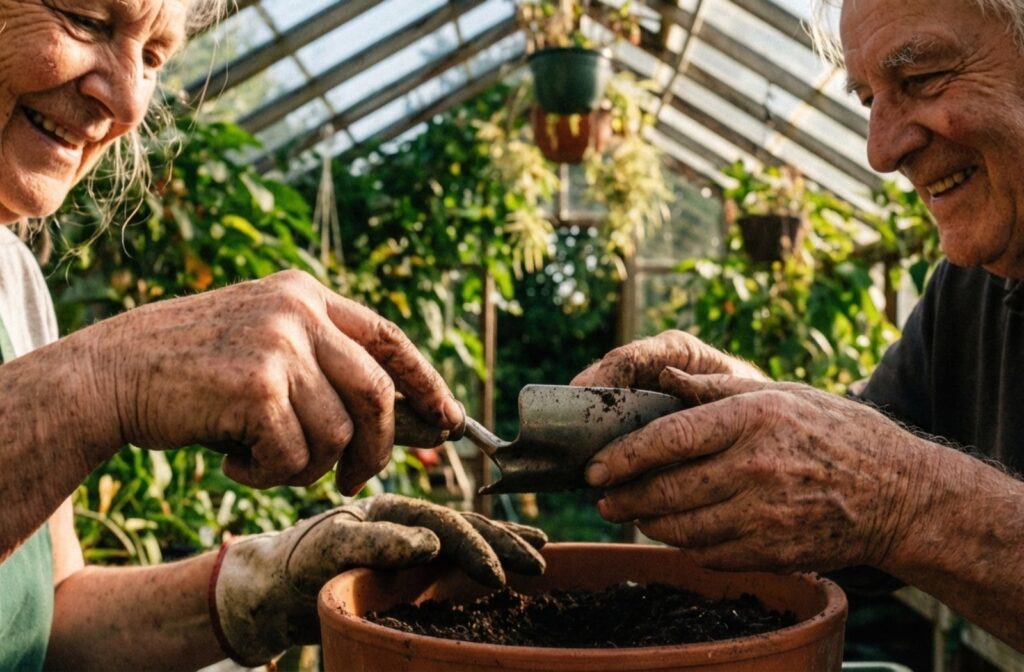
Helping a loved one reconnect doesn’t have to be complicated. Small, consistent efforts can make a significant difference in their outlook. You can work together to find opportunities that fit their personality and comfort level, such as a scheduled weekly call.

Technology can also be a wonderful tool for bridging distances. Teaching a loved one how to use video chat or sharing social media tips for older adults can open up new worlds of communication with family and friends, helping them feel more included.

Consider these simple and effective ways to foster more connection:

  • Schedule regular phone calls, video chats, or in-person visits.
  • Find local community groups or clubs centered on their interests, like gardening or reading.
  • Explore transportation services that can help them attend social events.
  • Look into community living that offers built-in social calendars, such as an independent living or assisted living setting.

Create a Supportive Path Forward

When you notice signs of social isolation, a compassionate and proactive approach helps your loved one feel supported. The goal is to focus on positive solutions that enhance their quality of life while respecting their independence. Exploring different senior living options can provide an environment rich with opportunities for friendship and engagement. With planned events, shared dining experiences, and common areas for socializing, residents can easily connect with peers.

For families in the Dayton area, Bethany Village offers a retirement experience curated for connection and well-being. The community is designed to help residents thrive through a variety of activities and opportunities for friendship. You are invited to schedule a visit to learn more.


Pets for Seniors

Pets fill a very special role in our lives, providing companionship, joy, acceptance, and unconditional love. Interaction with animals can also offer significant mental, physical, and emotional health benefits for people of all ages, particularly older adults. Today, let’s take a look at the mutually beneficial relationship between pets and seniors.

Pets and Health

If you’ve ever felt your stress melt away while petting a furry friend, you know about the positive benefits of bonding with animals. In fact, research shows that just 10 minutes of petting a cat or dog prompts the release of “feel good” hormones while lowering levels of stress hormones. Other studies have found that interacting with dogs can help to lower blood pressure and heart rate levels, which reduces the chances of heart disease and stroke.

Caring for a pet can also help older adults stay active and independent in retirement. Daily tasks such as taking walks or playing, cleaning up messes, and dishing out food help pet-owning seniors stay busy and maintain better mobility. More opportunities to socialize is another top benefit of pet ownership for seniors. For example, walks around the neighborhood or trips to the dog park can naturally facilitate friendships with neighbors and other animal lovers!

Choosing a Pet

When it comes to choosing a pet, it’s important to find a companion that matches your personality and lifestyle. For example, many older adults are happier with a lower-maintenance adult dog or cat rather than a high-energy puppy or kitten. Other easy-going pet options include birds, rabbits, and fish. Before making a decision, carefully consider the time, energy, and effort you can commit to owning a pet.

Pets in Retirement Living

After recognizing the incredible benefits of pet ownership for older adults, many of today’s independent living communities are now pet-friendly and allow residents to bring a small dog or cat as long as they meet the community’s criteria.

Some retirement communities, including Bethany Village, even offer pet therapy programs for assisted living and memory care residents. Licensed pet therapy animals such as dogs, cats, and rabbits are well-trained and friendly, giving residents the chance to bond with an animal without the daily responsibility of taking care of a pet.

If you’re thinking about making the move to a pet-friendly independent living community or retirement community that offers pet therapy, we invite you to explore the benefits of Bethany Village. For more information, fill out our contact form or call (937) 433-2110.

Long-term romantic relationships are known to have a significant positive effect on our mental and emotional wellbeing, but they can also impact our health as well. Research demonstrates that our relationships can even help stave off the risk of chronic diseases and health problems. A study found that when compared to single or divorced adults, married couples reported experiencing fewer mobility limitations, reduced stress, and fewer chronic health conditions such as heart disease or diabetes.

Maintaining a loving, long-term bond only gets better over time, helping to increase a couple’s overall quality of life as they get older. According to recent census data, around 58% percent of older adults over the age of 65 are married. After being in a happy, loving relationship for years, it’s no surprise that many couples want to continue living together when it’s time to look for a senior living community.

However, since everyone ages differently, it’s not uncommon for couples to have different care needs as they grow older. For example, one spouse may need little or no help with daily tasks, while the other needs assistance with things like medication management or mobility. Even if one partner is in good health, it can be overwhelming for them to care for their spouse on their own.

This is where senior living comes in. To meet the needs of today’s senior couples, modern senior living communities are coming up with solutions for couples who want to live together in the same community, even if they require different levels of care.

If you’re thinking about downsizing to a senior living community with your spouse, or if you’re helping your parents look for a community, here are a few tips that will make the transition to senior living a little bit easier:

Research communities that cater to couples

While many senior living facilities allow couples to live together, every community has different options and regulations. When it comes to independent living, floor plans may range in size from one to two or even three-bedroom condos or cottages. Assisted living spaces are usually one-bedroom apartments or suites, and couples may have the option to live in the same apartment together. However, in some cases, couples may prefer to live in separate but adjoining rooms or units. It’s always best to do your research and visit several communities before making a decision.

Consider the benefits of a continuing care community

A continuing care retirement community (CCRC) is an ideal, long-term option for couples hoping to remain close as they grow older. CCRCs offer every stage of senior living–independent living, assisted living, skilled nursing care, and memory care–all on the same campus. For couples, living at a CCRC makes it possible to stay within the same community, even if one spouse experiences age-related health changes at a different rate. Couples in CCRCs rest assured knowing that if they eventually require a different level of care than their spouse, they will be able to live close by and visit for meals, activities, and socialization without ever leaving the comfort of their community.

Look for a community that offers a variety of activities

Everyone has his or her own interests, so it’s important to find a community that offers a variety of leisure and social activities for both members of the couple to enjoy–whether separately or together. When touring different senior living communities, ask about the activities, hobbies, programs, clubs, classes, and outings that are offered or arranged by the community, and make sure they are appealing and engaging to both parties.

Plan ahead and make the move early

Moving to a senior living community enables older adults to live a more relaxing, laidback lifestyle. Instead of worrying about household chores, couples can focus on their relationship and take advantage of all the perks of community living, including increased social interaction, fun activities, and chef-prepared meals. For this reason, it’s best for couples to plan ahead for the transition to senior living–before they need higher levels of care.

Downsizing and moving in early–while each partner is still in good health–allows couples to more fully enjoy the benefits of a senior living community. Additionally, planning ahead gives couples the chance to tour nearby communities, compare the different options and make an informed decision together, on their own time.

Most of us know that retirement is something we should look forward to – after all, retirement is supposed to be a reward for years of hard work. But after decades spent working or raising a family, it’s normal to experience a feeling of loss as your retirement approaches. Without the sense of purpose that comes from a highly structured day, some older adults worry they’ll become bored or lonely once they retire.

However, thinking about your “golden years” should fill you with excitement, not worry! Retirement brings many changes, but it also brings more opportunities to pursue hobbies, make new friends, and spend time doing what you love most. Here are just a few of the many wonderful reasons to look forward to your retirement years:

More freedom and flexibility

Once you retire, you’ll have more control over how you spend your time. Without a schedule to follow, you can plan your day however you want and set your own routine. Retirees can take advantage of their freedom and flexibility to travel, explore new interests, or just slow down and relax at home.

Hobbies or activities

Retirement is a great time to take up a hobby and learn new skills. Maybe you’ve always wanted to try your hand at an artistic activity like painting, drawing, or ceramics. Or maybe you want to pick up an old hobby where you left off. Having a hobby that brings you joy and fulfillment can also provide health benefits.  Research shows that engaging in hobbies and leisure activities help older adults relieve stress, prevent social isolation, and improves their overall quality of life.

Opportunities to learn

Staying mentally active and engaged will keep your mind sharp and prevent you from becoming bored in retirement. For example, you can join a book club, enroll in continuing education classes, or try learning a new language. Most independent living communities encourage lifelong learning by offering classes, clubs, and programs to suit any interest.

New friendships

Friendship is important at any stage of life, but it can be particularly important to have close companions as we grow older. Studies show that as we age, our friends make an even bigger difference in our health, happiness, and wellbeing. While some adults may worry about becoming lonely once they retire, the truth is that retirement is a perfect time meet new people and form new friendships. Moving to an independent living community is one way seniors can enjoy a more vibrant social life and make new friends during their retirement years. With plenty of fun activities, outings, and events, moving to independent living gives seniors a chance to socialize and form new friendships with their peers.

Retirement isn’t an end, but rather it’s only the beginning of a brand new stage of life filled with new experiences and opportunities. Most importantly, how you spend your retirement is up to you! No matter how you choose to use your time and energy, we encourage you to do what you love and enjoy life throughout retirement!