

Key Takeaways

  • Begin conversations about future care before a health event occurs to reduce stress and make decisions together.
  • Discuss topics in a calm setting, focusing on your parent’s wishes for their home life, daily activities, and health.
  • Explore their preferences for future housing, from staying at home with support to moving to a senior living community.
  • Create a compassionate plan that respects their independence while providing the support they may need later.

Why These Conversations Are So Important

Thinking about a parent’s future needs can feel overwhelming. You want to honor their wishes and independence while also being prepared for what lies ahead. The team at Bethany Village finds that starting these conversations early, long before a health change requires immediate action, removes pressure from the situation. Thoughtful discussions about retirement plans, like senior living vs. aging in place, allow for thoughtful planning.

The most supportive approach is to have open, honest, and ongoing discussions that empower your parent to share their hopes for the future. This turns a potentially difficult topic into a collaborative process, giving everyone a voice and a shared understanding of the path forward.

Discuss Their Living Situation and Home Life

A great place to start is by asking about their current home. Do they feel happy and comfortable there? Talking about their living situation opens the door to discuss future possibilities in a practical and non-threatening way.

Future Housing Preferences

Ask what their ideal living situation looks like down the road. Many older adults wish to remain in their own homes, and you can discuss what support might make that possible. Others may be open to a change that offers more convenience and social connection.

You can explore different options together, such as moving to a maintenance-free apartment or cottage. Researching various senior living communities can show them the appealing lifestyle and friendship opportunities available, especially in independent living settings.

Home Safety and Comfort

If your parent wants to stay in their current home, talk about ways to make it safer and more comfortable. Simple aging-in-place home modifications can make a significant difference in their daily life. You can work together to identify areas that may become challenging over time.

Walk through the home and consider adding grab bars in the bathroom, improving lighting in hallways, or securing rugs to prevent falls and fractures. For a two-story home, you might discuss the possibility of moving their bedroom to the first floor to avoid stairs.

Ask About Daily Activities and Social Well-Being

A person’s daily routine is a large part of their quality of life. Ask your parent if there are any chores, errands, or activities that are becoming more difficult. They may welcome help with things like grocery shopping, housekeeping, or yard work.

Social engagement is also important for well-being, as social isolation can pose health risks. Does your parent have regular opportunities to see friends and participate in hobbies they enjoy? If they seem isolated, you can discuss ways to reconnect with their community. Options from respite care to assisted living can provide both practical help and a vibrant social environment.

Address Health and Wellness Questions

Health is a natural part of planning for the future. You can approach this topic with care by asking how they are feeling and what support would be helpful for them. Frame the conversation around maintaining their health and independence for as long as possible.

Current Health Management

Talk about their general health and how they manage it. Do they feel they have good communication with their doctor? You can offer to help them keep track of appointments or organize medications to make their routine simpler.

For more complex health needs, it can be comforting to know that professional support is available. Some situations may benefit from skilled nursing care or short-term rehab after a hospital stay, providing focused attention to help them recover.

Mobility and Transportation

Getting around safely is key to staying independent. If you have noticed any changes in your parent’s mobility, gently bring it up. Ask if they have any concerns about driving or if they would be open to other transportation options for appointments and errands.

Introducing simple mobility aids can also be part of the conversation. A cane or walker can provide extra stability and support when moving around. The goal is to present these tools as ways to help them continue to do the things they love.

Plan for Their Future with Compassion
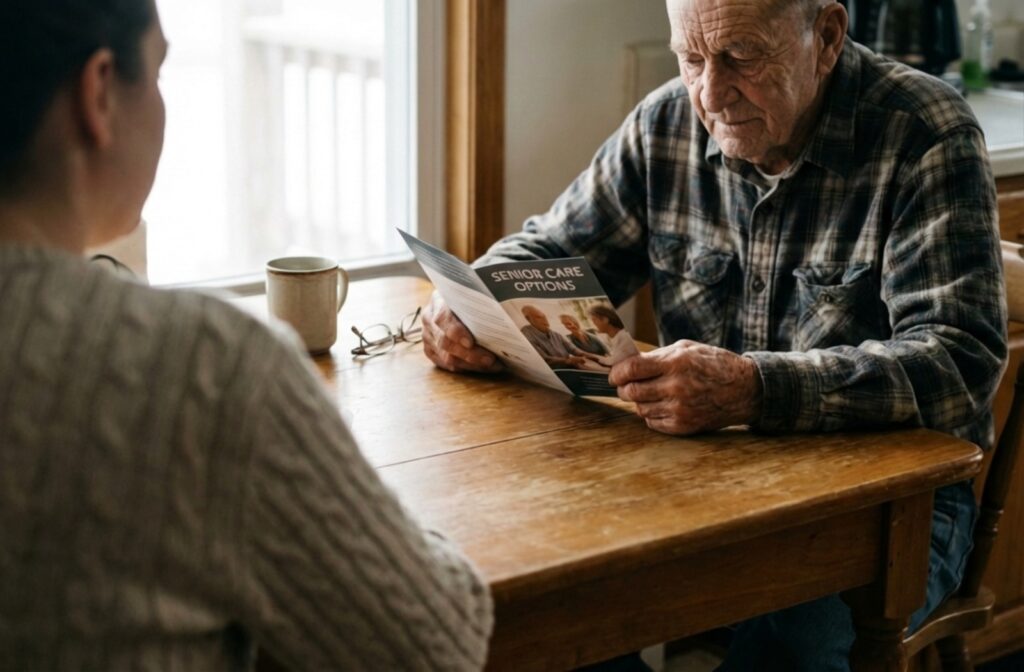
These conversations are not about making decisions for your parents—they are about making decisions with them. By listening to their wishes, you can help create a flexible plan that adapts as their needs change. This thoughtful preparation can bring peace of mind to your entire family.

Knowing their preferences for everything from daily assistance to potential memory care helps you honor their legacy with dignity and respect. For families in the Dayton area, Bethany Village offers a continuum of lifestyle options designed to support older adults through every chapter.

Take the next step with confidence—start the conversation today and explore what’s possible together. When you’re ready, connect with the team at Bethany Village to learn how each stage of care can support your family’s journey.

As winter settles in, staying well becomes a top priority. Colder weather often means less time outdoors, changes in routine, and increased exposure to seasonal illnesses. This is when a proper diet becomes so important for older adults, because it supports energy levels, strength, and overall health throughout the season.

Five immune-boosting foods for seniors include:

  • Citrus fruits
  • Eggs
  • Blueberries
  • Ginger
  • Chicken soup

Key Takeaways

  • Winter can disrupt daily routines for older adults, making nutrition an important part of overall wellness.
  • Certain foods, including citrus fruits, eggs, blueberries, ginger, and chicken soup, provide nutrients that support the body’s natural defenses.
  • Consistent, balanced eating habits matter more than focusing on any single food or ingredient.
  • A well-rounded diet supports energy levels, strength, and long-term health throughout the colder months.
  • Wellness is supported by more than nutrition alone, including movement, routine, and access to supportive services.

Why Nutritious Foods Matter During Colder Months

Focusing on nutrition is part of a broader approach to wellness that supports independence and daily comfort.  However, colder months often change daily habits, from activity levels to eating patterns. For older adults, maintaining steady nutrition during this time supports energy, strength, and resilience. Regular meals that include a variety of nutrients help the body function at its best, even when routines shift.

Nourishing Foods to Support Your Immune System

Certain foods are especially helpful during winter because they provide nutrients that support the body’s natural defenses. These ingredients are easy to find, simple to prepare, and versatile enough to enjoy in many meals. Adding them regularly can help support wellness throughout the colder months.

Citrus Fruits

Citrus fruits like oranges, grapefruits, and lemons are known for their vitamin C content, which supports immune function. They also help with hydration, which can be harder to maintain during winter. Citrus fruits are easy to enjoy as snacks, in salads, or added to warm beverages, and their bright flavor makes meals feel fresher when seasonal options are limited.

Eggs

Eggs provide high-quality protein, which helps support muscle strength and overall health. They’re also a natural source of vitamin D, a nutrient many older adults lack during winter due to reduced sunlight. And because eggs are easy to prepare, their versatility makes them a reliable staple for meals at any time of day.

Blueberries

Blueberries contain antioxidants that support overall wellness and help protect cells from everyday stress. They’re easy to add to oatmeal, yogurt, or smoothies, and their frozen variant can be found year-round. This makes them a convenient option for adding nutrients without changing meal routines.

Ginger

Ginger is known for its anti-inflammatory properties and its ability to support digestion. It also provides a warming quality that many people find comforting in colder months. It can be added to soups, teas, or cooked dishes for flavor and balance.

Chicken Soup

Chicken soup offers hydration, protein, and warmth, all of which are helpful during winter. It’s easy to eat when appetite is lower, and it provides gentle nourishment. The combination of broth, vegetables, and protein supports overall health, so this meal remains a dependable option.

The Importance of a Consistent and Well-Balanced Diet

While individual foods are helpful, consistency matters most. A well-balanced diet that includes fruits, vegetables, lean proteins, whole grains, and healthy fats supports long-term wellness. Regular meals help maintain energy levels and reduce the risk of nutritional gaps.

Rather than focusing on one ingredient, building steady eating habits creates a stronger foundation for health. This approach supports daily comfort and helps older adults maintain routines that feel familiar and manageable.

How Senior Living Options Support Healthy Eating

Planning, shopping, and preparing meals every day can become a challenge. This is where a senior living community can provide vital support by offering regular, well-planned dining options. This consistency makes it easier for residents to enjoy balanced meals without the stress of planning or cooking.

How Senior Living Supports Wellness Year-Round

Wellness is best supported by consistency, balance, and routine. So, senior living communities take a holistic approach to nutrition. Rather than focusing on individual meals, they create an environment where healthy eating is built into everyday life.

Communities like ours offer:

  • Fitness and movement programs that support strength, balance, and mobility
  • On-site therapy services that help older adultss maintain physical function
  • Daily routines that promote structure and reduce stress
  • Access to supportive care services as needs change
  • Community amenities that encourage activity and connection
  • Thoughtfully planned dining that complements an active lifestyle

Together, these elements create an environment where wellness is supported throughout the year, not just during the winter months.

Discover a Lifestyle Focused on Wellness

A satisfying meal is one of life’s simple pleasures. At Bethany Village, we believe that delicious food and good nutrition are central to a fulfilling lifestyle. Our culinary team is dedicated to creating varied and appealing menus that nourish the body and spirit.

Our community helps residents enjoy meals that are both comforting and delicious. To learn more about how we support healthy living through every season, schedule a visit today!