
Key Takeaways

  • Assisted living provides a supportive environment with staff available around the clock to offer assistance and peace of mind.
  • Chef-prepared meals focus on balanced nutrition and can be tailored to accommodate personal dietary needs.
  • Residents can enjoy a full calendar of social events and activities, which helps foster new friendships and a sense of community.
  • Personalized care includes help with daily tasks and medication management, supporting both independence and well-being.

Discover What an Assisted Living Community Offers

You want your loved one to be safe, happy, and well-cared for as they age. As their needs change, you may find yourself wondering what the right level of support is. Communities like Bethany Village help families find the right balance between a loved one’s desire for independence and their growing need for assistance.

An assisted living community can provide that ideal balance by offering personalized support in a vibrant social setting. This lifestyle option combines the privacy of a personal home with the benefits of on-site care, nutritious dining, and a warm community of peers.

A Safe Environment and Personalized Support

Peace of Mind for Your Family

One of the primary comforts of an assisted living community is the secure setting it provides. With supportive staff available 24/7, you can feel at ease knowing help is always close if your loved one needs it. This consistent presence provides security for residents and reassurance for your family. Homes are also thoughtfully designed for accessibility, with features that make daily navigation simpler for older adults.

Help with Daily Activities

Personalized support is at the heart of assisted living. Compassionate team members can help with daily activities such as dressing, bathing, and grooming. This respectful assistance helps your family member maintain dignity while getting the support they need. It also allows them to save their energy for hobbies and social events. Help with medication management is another key benefit that simplifies routines and supports their overall wellness.

Access to Further Care

Many senior living communities offer a continuum of care. If your loved one’s needs evolve, they may have access to other services like memory care, skilled nursing, or short-term rehab without having to move. This structure provides stability in a familiar environment, which is reassuring for residents and their families.

A Focus on Health and Social Well-Being

Freedom from Home Maintenance

Another significant benefit is the freedom from the demands of homeownership. You and your loved one no longer need to worry about yard work, snow removal, or unexpected repairs. Housekeeping and laundry services also handle routine chores, freeing up time for a more relaxed and enjoyable lifestyle.

Delicious and Nutritious Dining

A focus on good nutrition is important for overall health. Residents can enjoy delicious, chef-prepared meals every day in a shared dining room. This experience removes the daily stress of grocery shopping and cooking, and the social atmosphere turns mealtime into a pleasant event. Menus are created with balanced nutrition in mind, and the dining team can accommodate most personal dietary needs.

Opportunities for Connection

Staying socially active is a large part of a fulfilling life. A vibrant community offers many chances to connect with others and pursue interests. A full calendar of events might include fitness classes, creative arts, book clubs, spiritual services, and social gatherings. These activities make it easy for your loved one to build new friendships and feel part of a lively community.

A Community of Peers

Shared spaces like libraries, walking paths, and comfortable lounges encourage spontaneous social connection. Your family member will have the chance to be around people in a similar life stage, sharing stories and experiences. This peer companionship can reduce feelings of isolation and enrich daily life by fostering a genuine sense of belonging.

Find the Right Balance at Bethany Village

Choosing the right living situation for a family member is a significant decision. An assisted living community offers a unique combination of independence, support, and social engagement. This type of senior living is designed to enhance your loved one’s quality of life.

For families in the Dayton area, Bethany Village provides a supportive and welcoming environment where older adults can thrive. Explore the approach to assisted living that can support your loved one’s well-being and bring your family peace of mind. Contact our team to schedule a visit to our community.


Key Takeaways

  • Assisted living provides support with daily activities, while skilled nursing offers round-the-clock medical care.
  • Every community has unique services and amenities, so it is helpful to compare different options.
  • Couples with different care needs can often live together in an assisted living apartment.
  • Many communities welcome pets, but you should always ask about specific policies.
  • Residents in assisted living enjoy an active and social lifestyle with many opportunities for friendship and engagement.

Important Information About Assisted Living

When you start exploring care options for a family member, the different terms and levels of support can seem confusing. You want to find a solution that respects their independence while also providing the right amount of help, which is the focus at Bethany Village. Navigating this journey means understanding what each type of senior living community offers.

This knowledge can help you make a thoughtful decision that fits your loved one’s unique situation. Assisted living offers personalized support with daily tasks in a residential setting, allowing older adults to maintain their independence while receiving the help they need. It bridges the gap for those who can live on their own but may need a hand with a few things.

Assisted Living and Skilled Nursing Are Not the Same

One of the most common points of confusion is the difference between assisted living and skilled nursing. While both provide support, they serve very different needs. Understanding this distinction can help you narrow down your search for the right care.

Assisted living focuses on helping with activities of daily living. This can include reminders to take medication, assistance with dressing and grooming, or meal preparation. The goal is to support an independent lifestyle in a private apartment home. Skilled nursing, on the other hand, provides a higher level of medical attention from licensed health professionals, including for short-term rehab after a hospital stay.

Every Assisted Living Community Is Unique

Just as every person is different, so is every community. The environment, services, and culture can vary greatly from one place to another. Finding the right fit for your family member often comes down to these details. It’s a good idea to look closely at what each community provides to match their personality and preferences.

Compare Services and Amenities

When you explore communities, pay attention to the lifestyle they offer. Does your loved one enjoy fine dining, or would they prefer more casual options? A tour can give you a feel for the atmosphere. You can also look for specific amenities that are important to your family member, such as:

Ask About Levels of Care

Care in assisted living is not a one-size-fits-all solution. It is tailored to the individual. One person might only need help with housekeeping and meals, while another may benefit from more hands-on support. Some communities also offer specialized memory care programs designed for those with Alzheimer’s or other forms of dementia.

A Supportive Option for Couples

A common concern for couples is the possibility of being separated if one partner needs more care than the other. Assisted living can be an excellent option that allows them to stay together. Many communities offer apartment suites spacious enough for two people to live comfortably.

This arrangement allows each person to receive the specific level of support they need while sharing a home. For example, one partner might live more independently while the other receives assisted living services. It provides a sense of security and keeps them connected in the same environment.

Many Communities Welcome Pets

For many older adults, a pet is a cherished member of the family. The good news is that numerous senior living communities recognize the joy and companionship pets bring. If your loved one has a cat or a small dog, you will likely find a community that welcomes them.

It’s always a good idea to ask about the specific pet policies, as they can differ. Some communities may have size or breed considerations. Others might host pet therapy events, allowing all residents to enjoy the positive presence of animals.

Residents Enjoy an Active Lifestyle

A move to an assisted living community can open the door to new friendships and interests. These communities are often vibrant hubs of activity, with full calendars of social events, classes, and outings. It provides a built-in social network that can be very fulfilling.

Residents can choose how involved they want to be. They might join a book club, take an art class, or attend a weekly social hour. These opportunities make it easy to stay engaged and connect with others who share similar interests.

Find the Right Support for Your Family

Choosing an assisted living community is a significant decision that can lead to a positive, enriching chapter for your loved one. By understanding the options, you can find a place that honors their independence while providing supportive care. It’s about finding a lifestyle that is right for them.

For families in the Dayton area, Bethany Village offers distinctive lifestyle options, from independent living to assisted living and memory support. You can discover a retirement experience curated for your loved one, with a wide variety of activities and opportunities for friendship. Schedule a visit with our community to learn more.

Key Takeaways

  • Begin conversations about future care before a health event occurs to reduce stress and make decisions together.
  • Discuss topics in a calm setting, focusing on your parent’s wishes for their home life, daily activities, and health.
  • Explore their preferences for future housing, from staying at home with support to moving to a senior living community.
  • Create a compassionate plan that respects their independence while providing the support they may need later.

Why These Conversations Are So Important

Thinking about a parent’s future needs can feel overwhelming. You want to honor their wishes and independence while also being prepared for what lies ahead. The team at Bethany Village finds that starting these conversations early, long before a health change requires immediate action, removes pressure from the situation. Thoughtful discussions about retirement plans, like senior living vs. aging in place, allow for thoughtful planning.

The most supportive approach is to have open, honest, and ongoing discussions that empower your parent to share their hopes for the future. This turns a potentially difficult topic into a collaborative process, giving everyone a voice and a shared understanding of the path forward.

Discuss Their Living Situation and Home Life

A great place to start is by asking about their current home. Do they feel happy and comfortable there? Talking about their living situation opens the door to discuss future possibilities in a practical and non-threatening way.

Future Housing Preferences

Ask what their ideal living situation looks like down the road. Many older adults wish to remain in their own homes, and you can discuss what support might make that possible. Others may be open to a change that offers more convenience and social connection.

You can explore different options together, such as moving to a maintenance-free apartment or cottage. Researching various senior living communities can show them the appealing lifestyle and friendship opportunities available, especially in independent living settings.

Home Safety and Comfort

If your parent wants to stay in their current home, talk about ways to make it safer and more comfortable. Simple aging-in-place home modifications can make a significant difference in their daily life. You can work together to identify areas that may become challenging over time.

Walk through the home and consider adding grab bars in the bathroom, improving lighting in hallways, or securing rugs to prevent falls and fractures. For a two-story home, you might discuss the possibility of moving their bedroom to the first floor to avoid stairs.

Ask About Daily Activities and Social Well-Being

A person’s daily routine is a large part of their quality of life. Ask your parent if there are any chores, errands, or activities that are becoming more difficult. They may welcome help with things like grocery shopping, housekeeping, or yard work.

Social engagement is also important for well-being, as social isolation can pose health risks. Does your parent have regular opportunities to see friends and participate in hobbies they enjoy? If they seem isolated, you can discuss ways to reconnect with their community. Options from respite care to assisted living can provide both practical help and a vibrant social environment.

Address Health and Wellness Questions

Health is a natural part of planning for the future. You can approach this topic with care by asking how they are feeling and what support would be helpful for them. Frame the conversation around maintaining their health and independence for as long as possible.

Current Health Management

Talk about their general health and how they manage it. Do they feel they have good communication with their doctor? You can offer to help them keep track of appointments or organize medications to make their routine simpler.

For more complex health needs, it can be comforting to know that professional support is available. Some situations may benefit from skilled nursing care or short-term rehab after a hospital stay, providing focused attention to help them recover.

Mobility and Transportation

Getting around safely is key to staying independent. If you have noticed any changes in your parent’s mobility, gently bring it up. Ask if they have any concerns about driving or if they would be open to other transportation options for appointments and errands.

Introducing simple mobility aids can also be part of the conversation. A cane or walker can provide extra stability and support when moving around. The goal is to present these tools as ways to help them continue to do the things they love.

Plan for Their Future with Compassion

These conversations are not about making decisions for your parents—they are about making decisions with them. By listening to their wishes, you can help create a flexible plan that adapts as their needs change. This thoughtful preparation can bring peace of mind to your entire family.

Knowing their preferences for everything from daily assistance to potential memory care helps you honor their legacy with dignity and respect. For families in the Dayton area, Bethany Village offers a continuum of lifestyle options designed to support older adults through every chapter.

Take the next step with confidence—start the conversation today and explore what’s possible together. When you’re ready, connect with the team at Bethany Village to learn how each stage of care can support your family’s journey.

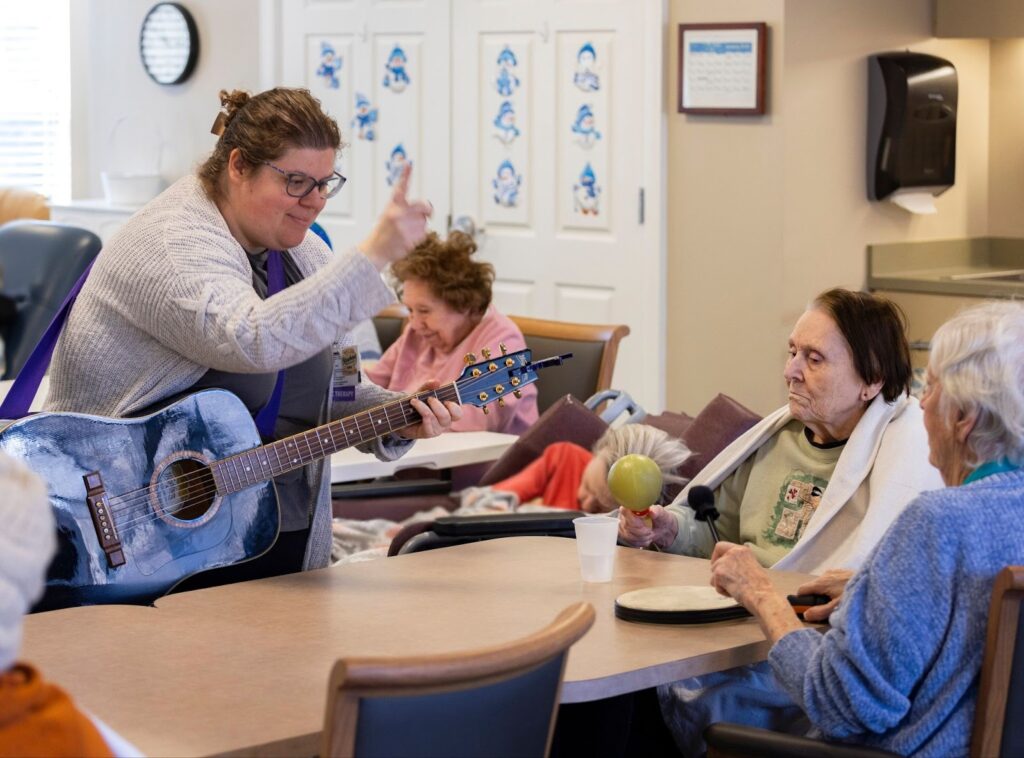
Music therapy programs are a vibrant part of life in various settings, where a board-certified music therapist guides residents through music experiences to support their health and quality of life. This can be especially meaningful in communities offering assisted living or specialized memory care. It is a recognized profession with its own practice standards, and we are proud to celebrate the professionals in this field.

Key Takeaways

  • Music therapy is a planned therapeutic process that uses music experiences such as singing, instrument play, improvisation, songwriting, movement and receptive listening to address physical, cognitive, and emotional needs through assessment, treatment and evaluation.
  • Listening to or creating music to express oneself can help reduce stress and calm feelings of anxiety in older adults.
  • It can also help with communication and cognitive function, particularly for individuals in memory care, to make choices – giving them a sense of purpose.
  • Group music therapy sessions encourage social connection and physical movement, which contribute to overall well-being.

Discovering the Power of Music

We all know the feeling of a favorite song lifting our spirits or bringing back a cherished memory. During Music Therapy Month, we recognize how music can be used in a structured way to support older adults. This approach supports well-being and addresses challenges related to aging.

What Does Music Therapy Involve?

Music therapy is more than just listening to the radio or singing along to familiar tunes. It uses specific music experiences led by a licensed professional to help individuals achieve certain therapeutic goals. This approach is tailored to meet each person’s individual needs and preferences.

A music therapist might use singing or lead a progressive muscle relaxation to help someone relax and manage stress. They could also use different rhythms as well as pitch and vocal techniques to help a person with speech difficulties communicate. The focus is always on using music to improve a person’s quality of life.

How Music Supports Mental and Emotional Health

Reduces Feelings of Stress

Some older adults experience significant stress and tension. Listening to calming music can help slow a fast heart rate. It can also help lower levels of stress hormones in the body.

Additionally, in a music therapy program, a music therapist might select resident-preferred songs with gentle rhythms or soundscapes. The lyrics and themes can also be chosen to help people feel more relaxed and verbally process experiences. This can create a peaceful and soothing atmosphere.

Improves Cognitive Skills

Music therapy is often part of a comprehensive care plan for individuals requiring memory care. It may help retain speech skills. Sometimes, music can even encourage a nonverbal person to hum or sing along.

Research has shown that music stimulates the brain by activating multiple areas in both hemispheres, including those responsible for emotions, memory, and motor function, which can lead to increased cognitive function, emotional responses, and even physical health benefits  such as supporting blood flow.. The experience is both engaging and beneficial for residents.

How Music Encourages Physical and Social Activity

Inspires Movement

Upbeat music can motivate older adults to engage in physical activity. This might mean dancing, clapping their hands, or just tapping their toes to the beat. Structured movement and utilizing handheld instruments are positive forms of utilizing gross and fine motor physical activity. Instruments such as drums, tambourines and shakers provide opportunities for participants to make their own music and express themselves as well as feeling grounded and vibrotactile stimulation.  It is a fun and interactive way to stay mobile.

Increases Social Connections

Music has a natural way of bringing people together. During group music therapy, older adults can connect over a shared interest in music or life experiences. This experience often leads to new and lasting friendships.

The social side of music therapy helps reduce feelings of loneliness or isolation. It provides a sense of community and belonging. This is a crucial aspect of well-being in any senior living environment.

Music Therapy Across Different Levels of Care

Music therapy is adaptable and offers support in many different living situations. For individuals in independent living or assisted living, it can be a great way to stay social and engaged. It can also serve as a comforting presence for those who need more support.

In communities offering short-term rehab or skilled nursing, music can help people manage discomfort and identify coping skills. It can also motivate them during other forms of therapy. For those who require compassionate support, music can offer a profound sense of calm and normalization for residents and their loved ones.

Learn More About Supportive Programs at Bethany Village

Enriching programs, such as music therapy, can have a profound impact on the mental, physical, and emotional well-being of older adults. Finding a community that offers a variety of engaging activities is a high priority for many families. At Bethany Village, we offer these programs to foster a vibrant and supportive atmosphere that enables individuals to thrive.

If you are exploring care options for a loved one, we invite you to see our community for yourself. Learning about the day-to-day life and activities available can help you in your search. We are happy to answer your questions and share what makes life here so fulfilling.

Contact us today to schedule a personal tour and learn more about our supportive lifestyle options.


Finding a meaningful holiday gift for a loved one living with Alzheimer’s or dementia can feel overwhelming. Traditional gifts don’t always land the same way, and that’s okay. What matters most is choosing something that brings comfort, familiarity, and a sense of connection.

5 thoughtful holiday gift ideas for someone with dementia include:

  • Tech-related gifts that encourage familiarity
  • Personalized comfort and care gifts
  • Sensory and creative gifts for calm engagement
  • Cozy everyday gifts that promote relaxation
  • The gift of your time and presence

Key Takeaways

  • Dementia-friendly holiday gifts are most meaningful when they focus on comfort, familiarity, and emotional connection rather than novelty.
  • Simple, easy-to-use technology like digital photo frames or music players can help reinforce recognition without causing frustration.
  • Personalized comfort items and sensory-based gifts can provide reassurance and help reduce anxiety.
  • Cozy, everyday items that support warmth and routine are often appreciated and used regularly.
  • Time spent together—listening to music, sharing photos, or sitting quietly—can be the most valuable gift.

Gift Ideas to Inspire Joy and Connection

Thoughtful gifts for someone with dementia are less about impressing and more about supporting emotional well-being. So, try focusing on familiarity, comfort, and shared experiences.

Tech-Related Gifts That Encourage Familiarity

Simple technology can be surprisingly comforting when it’s easy to use and tied to familiar faces, sounds, or routines. Passive tech works best because it helps your loved one enjoy it without needing to learn something new or make decisions.

Here are a few tech-related gift ideas to consider:

  • Digital photo frames that rotate familiar family photos
  • Simple music players preloaded with favorite songs
  • Tablets set up only for viewing photos or short videos

These gifts can gently reinforce recognition and connection without adding frustration or confusion.

Personalized Comfort and Care Gifts

Personalized gifts show thoughtfulness and attention to your loved one’s preferences. Items tied to routine or familiar comforts can help them feel safe and understood, even as cognitive changes progress.

Some meaningful comfort-focused gift ideas include:

  • Customized care packages with favorite snacks or teas
  • Familiar lotions, soaps, or grooming items with preferred scents
  • Small keepsakes like notes, cards, or drawings from family

Personal touches remind your loved one that they are known, cared for, and valued.

Sensory and Creative Gifts for Calm Engagement

Sensory experiences can be grounding for people living with dementia. Gentle, hands-on activities often provide comfort without requiring complex thinking or memory recall.

Consider sensory or creative gifts such as:

  • Art supplies for simple drawing or painting
  • Large-piece puzzles designed for easy handling
  • Soft fidget items or textured blankets

These gifts encourage quiet engagement and can help reduce anxiety during moments of restlessness.

Cozy Everyday Gifts That Promote Relaxation

Comfort-focused gifts support daily well-being and can be enjoyed repeatedly. Items that promote warmth, safety, and physical ease are especially appreciated during the winter months.

Some cozy gift ideas include:

  • Soft throw blankets for naps or quiet evenings
  • Non-slip slippers or socks
  • Comfortable clothing designed for easy wear

Everyday comfort can make routines feel calmer and more predictable.

The Gift of Your Time and Presence

Above all else, your presence is often the most meaningful gift. Shared moments don’t need to be elaborate to matter—they simply need to feel calm and attentive.

Ways to give your time as a gift include:

  • Listening to familiar music together
  • Looking through photos or memory books
  • Sitting quietly and talking, or simply being together

Consistency and connection matter far more than perfection.

Recognizing When Your Loved One May Need More Support

The holidays often bring families together, sometimes for longer visits than usual. During this time, you may notice changes in your loved one’s safety, routines, or ability to manage daily tasks. These observations can be difficult but important.

If you notice significant changes in your loved one’s cognitive status, don’t ignore them. Instead, it’s likely time to explore a move to memory care.

What Is Memory Care?

Memory care provides specialized support for those in need. When cognitive conditions like dementia and Alzheimer’s disease are at play, this lifestyle can offer customized care to your loved one. These communities offer structured routines, safety-focused environments, and caregivers trained to support cognitive changes with compassion and consistency.

Give Them the Gift of a Supportive, Loving Community

This holiday season, focus on what brings your loved one comfort and happiness. Whether through a thoughtful gift, meaningful time together, or planning for their future well-being, every act of care matters.

Choosing memory care can be one of the most meaningful gifts you give your loved one. It offers stability, routine, and a team of professionals who understand the unique challenges of dementia care. And here at Bethany Village, we’re ready to welcome your loved one home. Schedule a tour of our community today, and we can work together to make this season one to remember.

Moving is a significant, life-changing event at any stage of life. For seniors relocating from their home into an assisted living community, the transition can be especially difficult. It’s not uncommon for seniors (and their families) to experience stress about downsizing, anxiety about leaving behind familiar surroundings and losing connections with friends, and uncertainty about life in a brand new community.

Are you wondering what you can do to make the move to assisted living as smooth as possible? Keep these five tips in mind:

#1: Give assisted living a trial run

The fear of the unknown can make the idea of moving to assisted living overwhelming for seniors and their families alike. To help everyone feel more comfortable and confident about the decision, consider arranging a temporary respite care stay in an assisted living community.

Respite care allows seniors and their families to “test the waters” and find out if a community is a good fit before making a permanent move. During their respite care stay, your loved one will meet other residents and experience all the amenities, activities, services, and support the assisted living community has to offer. Meanwhile, you and your family will get to know the community’s staff and understand what to expect when your loved one becomes a resident. In this way, respite care can be a valuable step in the process of moving to an assisted living community!

#2: Start the downsizing process early

After finding the right assisted living community for your loved one, it’s important to start the downsizing process as early as possible. Downsizing a house full of memories can be difficult physically and emotionally for everyone involved. It may take longer than you think to sort through your loved one’s belongings and help them decide what to keep, pass down to family members, or donate. A good place to start is by understanding the square footage of your loved one’s new assisted living apartment, which will help as you plan for furniture size and storage needs.

When time is of the essence, working with a professional organizer or senior move manager can help make downsizing a smoother, more seamless transition. At Bethany Village, our Transitions Coordinators are here to connect families with trusted local resources to help with every step of the moving process.

#3: Make their new space familiar and inviting

Adjusting to a new living space takes time, but including a few familiar pieces will go a long way in easing your loved one’s transition to assisted living. For example, even if your loved one needs new furniture to fit their assisted living suite, you could select familiar colors and arrange the room similarly to their previous home. Another tip is to display favorite family photos, artwork, decorative items, and mementos prominently. Paying attention to the little details can make a new, unfamiliar space feel more like home.

#4: Encourage them to get involved

As soon as your loved one becomes a resident, they’ll have endless opportunities to get involved in life enrichment activities and fun social events. Before move-in day, review the community’s calendar with your loved one and encourage them to choose one or two activities to try. Participating in community events is a great way to meet other residents who share common interests and passions.

At Bethany Village, we have dedicated social workers assigned to each family and resident to make the transition process even easier. We encourage families to meet with their social worker in advance to let them know of their loved one’s favorite hobbies and interests. This way, your loved one will have another familiar face in the community encouraging them to venture out. Before long, your loved one will be making new friends and finding new things to look forward to each week!

#5: Keep in touch

Before your loved one’s move, it’s a good idea to coordinate a schedule for family members to visit or call. Setting aside some time to check-in will help your loved one feel loved and appreciated as they get used to their new home. Once your loved one is settled in and getting involved in regular community activities, you may need to set up a new visiting schedule to fit their routine.

Be patient and stay positive!

Helping an aging loved one move to assisted living is a big life change that will come with its share of highs and lows. Don’t worry if everything doesn’t go as smoothly as you expected, especially in the first few weeks. It will get easier! Be patient, stay positive, and remember that you’re making the best decision for your loved one.

Start the senior living search

If you know your loved one needs more daily assistance, but you’re not quite sure where to start, Bethany Village has a useful tool to help families evaluate what living options might be a good fit. Use this quick 4-5 minute survey to weigh your options.

To arrange a respite care stay at Bethany Village or schedule a tour of our beautiful community, please contact us today. We’d love to hear from you and answer any questions you may have!

If you have a parent or loved one living with Alzheimer’s or another form of dementia, planning ahead and finding a memory care community is one of the best decisions you can make for their long-term health and wellbeing.

Especially in the early to mid-stages of dementia, assisted living memory care can provide priceless peace of mind for your loved one and your family. In an assisted living memory care community, residents benefit from 24-hour care, enriching activities and therapies, and gentle support, enabling them to maintain a higher level of independence and make the most of each day.

If you’re starting to search for assisted living memory care for your loved one, it’s important to understand that not all communities are alike. By asking thoughtful questions and touring your top choices, you can determine if a community is the best fit for your family.

Below are five important questions to ask when researching and touring memory care facilities:

What are your loved one’s current needs?

First, you’ll need to identify the level of care your loved one requires to determine if the memory care community can meet their needs. Talking to your loved one’s doctor can help you gain an understanding of the care they currently need and what to expect down the road.

For example, your loved one might need assistance with activities of daily living such as grooming, bathing, dressing, eating, and managing medications, but may not yet require ongoing medical attention or treatments. Choosing an assisted living memory care facility that’s part of a continuing-care retirement community will ensure that your loved one has access to the care they need now and in the future.

Do caregivers have dementia-specific training?

Ideally, you will choose a memory care community that employs highly knowledgeable, experienced staff members who understand the unique challenges of caring for individuals in each stage of dementia. Ask about the type of training staff members receive and if the community invests in ongoing education, so caregivers are always up-to-date on the best practices and latest dementia care techniques.

What amenities and features are available within the community?

Modern memory care communities offer ??a variety of amenities and comforts to make residents feel at home. As you research and tour memory care options, consider which features are most important to you and your loved one.

  • Are living spaces private or shared with other residents? A private room may feel most comfortable and familiar to your loved one.
  • How often are meals provided? Are snacks and beverages offered between meals? Are special dietary requirements accommodated?
  • Are there on-site amenities, like a movie theater, fitness center, beauty salon, and a library?
  • Are there enclosed courtyards so residents can safely enjoy the outdoors?

What types of memory therapies and activities are offered?

Memory-enhancing therapies and activities help individuals with dementia maintain dignity and preserve their sense of self. Ask about the different therapies offered by the memory care community, such as:

Music therapy, which involves listening to familiar tunes, singing along, and playing instruments like drums and tambourines to stimulate memories and boost mood.

Pet therapy, which helps to reduce stress and anxiety through interaction with therapy dogs, rabbits, birds, and other animals.

Art therapy, which prompts self-expression, communication, and reminiscence through guided art projects such as painting, drawing, and crafting.

In addition to these specific therapies, memory care communities may offer person-centered activities such as conversation-starter programs, brain games and puzzles, gardening and floral arrangement, and other entertaining activities tailored to residents’ individual interests.

What security measures are in place to protect residents?

Safety and security are absolutely crucial when choosing an assisted living memory care community because wandering, confusion, and agitation can be common among people with Alzheimer’s and dementia. You’ll want to find a well-secured community that includes intentional design elements and soothing, easy-to-navigate spaces that minimize confusion. Key features to look for include 24-hour security monitoring, secured entrances and exits, and personal alert systems so residents can quickly request help when needed. Find out what procedures the memory care community has in place to protect residents and communicate with family members in the event of an emergency.

Is it Time for Memory Care?

Choosing an assisted living memory care community for your loved one is a big decision. Many families choose to begin the search for memory care early, while their loved one is still independent, so they’re well-prepared when a higher level of care is needed. A good starting point is to take a quick senior living assessment to learn about the different options available — including Pavilion Assisted Living Memory Care at Bethany Village.

As part of Bethany Village’s continuum of care, which includes skilled nursing memory care, moving to Pavilion Assisted Living Memory Care guarantees that your loved one will be surrounded by faithful caring in every stage of their disease. More than providing a safe, secure place to live, Pavilion enhances residents’ quality of life with enriching therapies and meaningful activities offered every day.

See What Life is Like in Pavilion with a Respite Care Stay

If you’re beginning to compare assisted living memory care options, consider scheduling a short-term respite care stay at Bethany Village. During their respite care stay, your loved one will enjoy the same personal care, amenities, and support as our assisted living memory care residents while their family caregivers enjoy peace of mind and a well-deserved break.

Respite care is a wonderful opportunity for your loved one to meet our staff, interact with residents, and experience what it’s like to live in the community before calling Bethany Village home. Many families find that respite care makes the decision to transition to assisted living memory care easier for everyone!

Learn more about respite care and Pavilion Assisted Living Memory Care today. Please call us at 937-433-2110 or fill out our contact form to request more information and arrange a private tour of our beautiful community.

Chances are, you first experienced the fun and freedom of creating art at a young age. As children, art is one of the first ways we learn to express ourselves and explore the world around us. As we get older, our need for the stimulation, joy, and sense of satisfaction that comes from creative expression doesn’t fade. We can all benefit from creating, no matter our age or level of artistic ability!

In fact, visual art is frequently used in memory care communities as a way to enhance the lives of residents with Alzheimer’s disease and other forms of dementia through a practice called art therapy.

What is art therapy?

Art therapy is a therapeutic practice that combines art and psychology to support individuals’ mental, emotional, and behavioral health and wellbeing. Anyone can benefit from art therapy, from young children to older adults. For individuals living with dementia, art therapy provides a meaningful creative outlet and avenue for expression when other forms of communication become more challenging. Art therapists and trained care professionals can facilitate art therapy programs in memory care communities to enrich the lives of residents and help them enjoy a greater sense of purpose, accomplishment, and self-confidence.

What are the benefits of art therapy?

Here’s a look at some of the many advantages of art therapy for individuals in memory care communities.

Art therapy stimulates the brain

Art has always been a way to express creativity and emotions through various mediums, from painting and drawing to sculpting with clay. For individuals with Alzheimer’s or another form of dementia, participating in art therapy can also be a powerful way to boost cognitive function in different areas of the brain.

While there’s currently no cure for dementia, the cognitive benefits of art therapy are apparent. Like other forms of creative interventions like music therapy, art therapy has the remarkable ability to bring memories and stories to the surface. While completing an art project, participants will often experience moments of clarity, contentment, and happiness as they reminisce on their lives.

Art therapy relieves stress

It’s an unfortunate fact that individuals with dementia often experience stress, anxiety, depression, and other mental health concerns as their disease progresses. Facing these negative emotions can be even more frustrating for individuals who may find it difficult to communicate their thoughts and feelings verbally.

Through art therapy, participants can express themselves without saying a word. Engaging with creative activities is also known to provide mood-boosting benefits by alleviating stress and leading to greater resilience and fulfillment.

Art therapy helps promote mobility and dexterity

Whether it’s holding a paintbrush or shaping clay, creating art involves some degree of movement and fine motor skills. By practicing art regularly, older adults can improve their overall coordination and retain muscle function. In art therapy programs, the projects are always catered to the participant’s abilities and interests, and assistance is offered if needed.

Art therapy encourages connection

In memory care, art therapy involves more than creating art; it also provides a meaningful source of social interaction and connection. The trained facilitators leading art therapy programs will initiate conversations during art projects by asking questions and providing encouragement.

Creating art as a group provides a way for individuals to build bonds with caregivers and other participants, helping to reduce isolation and loneliness that can be all too common among those living with dementia. Participating in art therapy may even help individuals with dementia recall memories that strengthen their connections with family members.

Opening Minds Through Art at Bethany Village

At Bethany Village, we’re proud to offer Opening Minds Through Art (OMA) for residents in our newly renovated Assisted Living Memory Care community, Pavilion. OMA is a form of cognitive stimulation therapy that builds relationships and sparks memories through one-on-one art projects catered to the interests, preferences, and memory care needs of the resident. The OMA program, combined with our music and pet therapies, all work together to promote the social engagement, dignity, and self-expression of our residents so they can make the most of each day.

Would you like to learn more about Pavilion Assisted Living Memory Care and life at Bethany Village? Please contact us today to request more information. We’re always happy to answer any questions you may have!

Pets for Seniors

Pets fill a very special role in our lives, providing companionship, joy, acceptance, and unconditional love. Interaction with animals can also offer significant mental, physical, and emotional health benefits for people of all ages, particularly older adults. Today, let’s take a look at the mutually beneficial relationship between pets and seniors.

Pets and Health

If you’ve ever felt your stress melt away while petting a furry friend, you know about the positive benefits of bonding with animals. In fact, research shows that just 10 minutes of petting a cat or dog prompts the release of “feel good” hormones while lowering levels of stress hormones. Other studies have found that interacting with dogs can help to lower blood pressure and heart rate levels, which reduces the chances of heart disease and stroke.

Caring for a pet can also help older adults stay active and independent in retirement. Daily tasks such as taking walks or playing, cleaning up messes, and dishing out food help pet-owning seniors stay busy and maintain better mobility. More opportunities to socialize is another top benefit of pet ownership for seniors. For example, walks around the neighborhood or trips to the dog park can naturally facilitate friendships with neighbors and other animal lovers!

Choosing a Pet

When it comes to choosing a pet, it’s important to find a companion that matches your personality and lifestyle. For example, many older adults are happier with a lower-maintenance adult dog or cat rather than a high-energy puppy or kitten. Other easy-going pet options include birds, rabbits, and fish. Before making a decision, carefully consider the time, energy, and effort you can commit to owning a pet.

Pets in Retirement Living

After recognizing the incredible benefits of pet ownership for older adults, many of today’s independent living communities are now pet-friendly and allow residents to bring a small dog or cat as long as they meet the community’s criteria.

Some retirement communities, including Bethany Village, even offer pet therapy programs for assisted living and memory care residents. Licensed pet therapy animals such as dogs, cats, and rabbits are well-trained and friendly, giving residents the chance to bond with an animal without the daily responsibility of taking care of a pet.

If you’re thinking about making the move to a pet-friendly independent living community or retirement community that offers pet therapy, we invite you to explore the benefits of Bethany Village. For more information, fill out our contact form or call (937) 433-2110.

We all forget things from time to time, whether it’s missing an appointment or misplacing our keys. As we get older, we might experience mild moments of forgetfulness a little more often. These memory lapses can be frustrating, and they may even make you wonder if you should be worried about a serious cognitive condition like dementia or Alzheimer’s disease.

Most of the time, occasional forgetfulness is a normal part of the aging process, not a cause for concern. Still, it’s important to understand the distinction between normal memory lapses and the warning signs of dementia, so you know when to get help for yourself or a loved one.

Here are some helpful tips on how to tell the difference between normal age-related forgetfulness and memory conditions like dementia.

Signs of normal age-related memory changes:

  • Misplacing items from time to time, like car keys or glasses.
  • “Blanking” on the names of acquaintances or mistakenly mixing up the names of family members.
  • Taking longer to learn new information or skills.
  • Occasionally walking into a room and forgetting why you entered in the first place.
  • Losing focus or becoming easily distracted in conversations.
  • Sometimes having trouble finding the right word to use, even if it’s on the tip of your tongue.

These signs tend to come with age and are considered normal among older adults. They are generally not considered to be warning signs of dementia.

Symptoms that may indicate dementia:

The main difference between age-related forgetfulness and dementia is that the latter impacts one’s daily life activities, hobbies, and relationships. Some common signs may include:

  • Frequent confusion or disorientation about the time or familiar people and places.
  • Not being able to follow instructions or directions.
  • Having trouble holding conversations by forgetting or misusing words, repeating phrases and stories, or asking the same questions over and over.
  • Major changes in personality, such as aggression, impulsiveness, and poor judgment.
  • Difficulty with simple, everyday tasks such as paying bills, taking medication, dressing appropriately, or grooming.

When to get help for memory concerns

When memory lapses become frequent, more noticeable, or impact daily life, consider consulting a doctor. Early diagnosis can help treat memory conditions and slow the rate of cognitive decline.

For older adults diagnosed with Alzheimer’s disease, Parkinson’s disease, or another form of dementia who need more care than can be provided at home, moving to an Assisted Living Memory Care community can be a good solution. These communities offer 24/7 memory care and support in a soothing, family-like environment to empower older adults and enhance overall their quality of life. Assisted Living Memory Care also provides peace of mind to families because they know their loved ones will be safe and well cared for at all times.

If you’re wondering if it’s the right time for senior living, either for yourself or an older loved one, find out which options are the best fit with this quick 4-5 minute survey. You’ll receive a personalized Senior Living Fit Report you can use to start conversations and plan for the future.

Learn more about Assisted Living Memory Care

When you’re ready for more information about Assisted Living Memory Care at Bethany Village, please contact us today. We look forward to meeting you and your family and answering your questions.