
A transition from assisted living to skilled nursing, also known as a nursing home, can be necessary for seniors who have increasing medical needs, decreasing mobility, and a need for more daily support.

A Skilled nursing community provides around-the-clock medical care, ideal for those who require more intensive health support than assisted living can offer. Often, this transition is prompted by social workers or healthcare professionals who observe residents over time and recommend skilled nursing as better-suited to a person’s physical and cognitive needs.

What is Assisted Living?

An assisted living community provides older adults with a supportive environment for daily activities like grooming, dressing and meal preparation. These communities allow residents to maintain a level of independence, engage in social activities, and enjoy amenities, all while knowing help is close at hand.

Who Qualifies for Assisted Living?

Typically, those who require help with some daily tasks but don’t need intensive medical care qualify for assisted living. This level of care is ideal for people who can still handle many of their daily routines independently. Seniors in assisted living generally have:

  • Moderate Mobility Needs: They may need some help moving around but do not require constant support.
  • Routine Medication Management: Most assisted living residents require nurse-administered medications due to cognitive or physical impairments, making professional support a key benefit.
  • Basic Personal Care Needs: They may need help with dressing, bathing, or grooming.
  • Social & Activity Interests: They enjoy group activities and community living.

What is Skilled Nursing?

Skilled nursing communities, commonly referred to as nursing homes, provide more intensive, round-the-clock medical care and support than assisted living. Skilled nursing caters to those with significant medical needs that require professionals on-site for medical and personal assistance.

Who Qualifies for Skilled Nursing Care?

This level of care is suited for residents with complex medical needs that require regular attention and monitoring by medical professionals. Seniors in skilled nursing often have:

  • Chronic Health Conditions: These are medical conditions that require daily monitoring and ongoing treatment.
  • Extensive Mobility Assistance: They need significant help with movement, often involving specialized equipment.
  • Advanced Medication Needs: They require complex medication regimens administered by licensed staff.
  • Comprehensive Personal Care: They need help with most or all personal hygiene, dressing, and mobility.

Signs That It’s Time to Move to Skilled Nursing

Sign 1: Increasing Medical Needs

If your loved one’s medical needs have become more significant—requiring frequent treatments, monitoring, or complex medication schedules—a move to skilled nursing may be warranted.

Skilled nursing staff includes registered nurses and trained aides who can manage chronic conditions, provide specialized care, and ensure that medications are administered accurately. This level of care is crucial for conditions like heart disease or advanced respiratory issues that demand continuous monitoring.

When healthcare needs go beyond what assisted living can provide, skilled nursing offers a structured environment to meet medical and daily needs, helping your loved one be comfortable and well-cared for.

Sign 2: Decreased Mobility

A sharp decline in mobility, such as difficulty standing or walking without assistance, often signals a need for a higher level of care. In skilled nursing, residents receive support for mobility needs, whether this means wheelchairs, walking aids, or other adaptive devices.

Moreover, skilled nursing communities are specifically equipped to handle the physical challenges associated with severe mobility issues, helping to prevent falls and injuries through physical support and environment design.

Sign 3: Cognitive Decline

Cognitive challenges often progress as a person ages, making everyday tasks and decision-making difficult for those affected. Assisted living provides some cognitive support, but skilled nursing is better suited for residents with advanced memory issues, offering specialized care to ensure safety.

Skilled nursing communities provide an environment with additional security and specially trained staff who understand how to care for those experiencing cognitive decline. They also offer programs designed to engage residents in ways that keep them safe and comfortable.

While some cognitive decline is expected in seniors, some people experience more serious memory loss, such as dementia. Seniors living with memory loss conditions will benefit more from memory care, as memory care is specifically designed to support those with dementia. Consult your loved one’s healthcare team to determine which lifestyle option is the best fit.
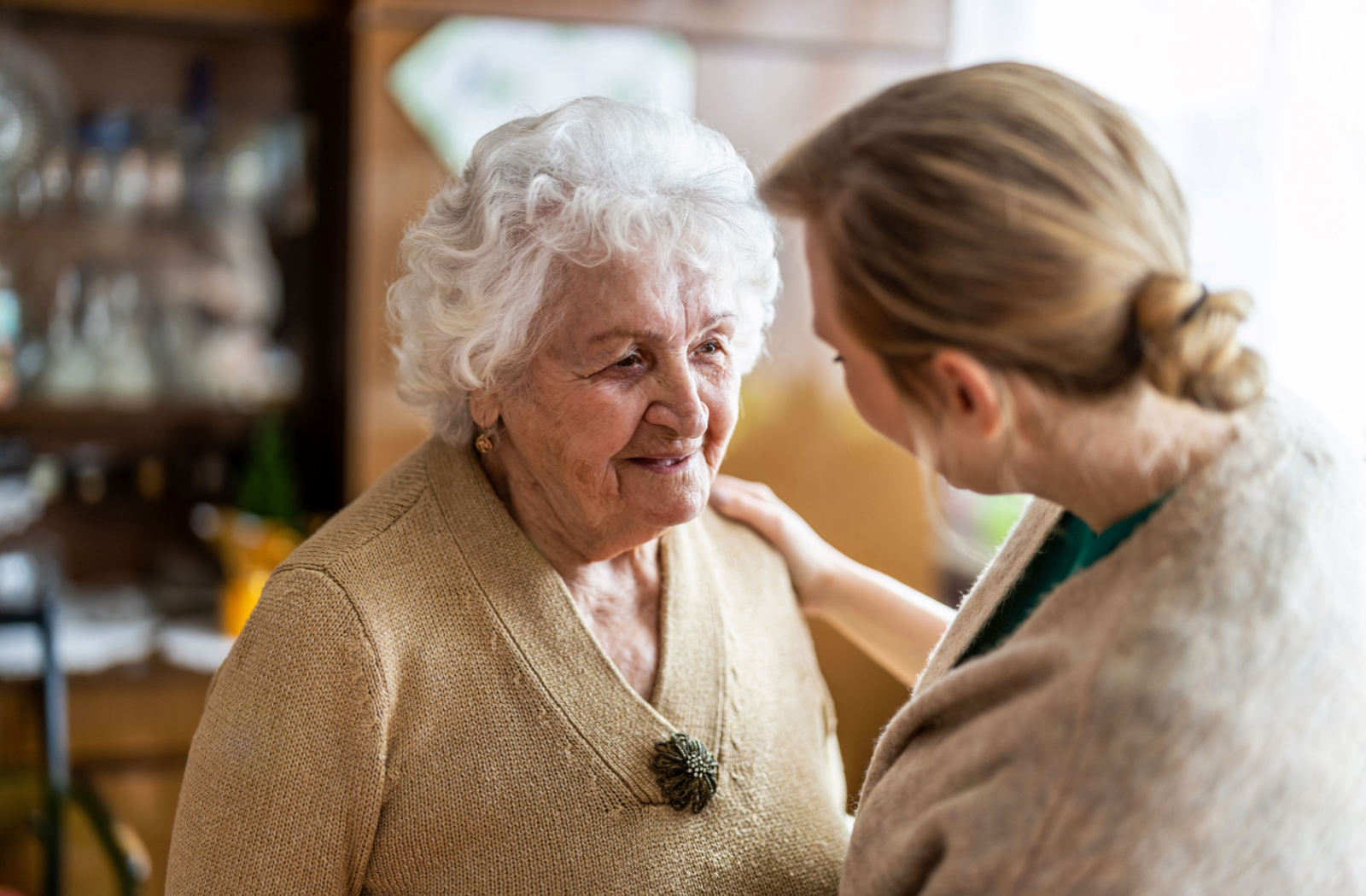
Sign 4: Escalating Need for Daily Assistance

When a loved one requires help with nearly every aspect of daily life, including dressing, bathing, and eating, skilled nursing provides the comprehensive support that they need. This level of care ensures that Mom or Dad’s important routines are maintained with dignity.

Skilled nursing communities have the resources and trained professionals to consistently meet these needs, providing a more suitable environment for those who need help throughout the day.

Sign 5: Frequent Hospital Visits

Frequent hospital or emergency room trips can be a sign that a loved one needs constant, on-site medical care. Skilled nursing teams provide close medical oversight, with staff available to address health issues before escalating to emergencies.

Skilled nursing communities are also often equipped with the tools needed to handle medical events on-site, ensuring that your loved one has immediate support whenever required.

Explore Lifestyle Options at Bethany Village

Choosing the right level of care is a personal and important decision, and Bethany Village is here to help you find the best option for your loved one.

With experienced staff and a supportive environment, we provide compassionate, professional care tailored to each person’s needs. Contact Bethany Village to learn more about our continuing care retirement community, where quality of life and care come together.


Key Takeaways

  • Bethany Village welcomes adults 62 and older, but age alone doesn’t determine the right time to move.
  • Planning while you’re healthy and independent gives you more control over where, when, and how you move.
  • Home maintenance, retirement finances, social opportunities, and future needs can all influence your decision.
  • Small changes in your daily routine may signal that it’s worth exploring independent living.
  • Choosing a continuing care retirement community can make it easier to plan for changing needs over time.

When Is the Right Time to Move Into Senior Living?

You may have spent decades taking care of a home that once fit your life perfectly. But yard work, repairs, stairs, and seasonal maintenance can start taking more time and energy than you want to give them. You don’t have to wait until those responsibilities become unmanageable before considering a change.

There’s no single right age to move into independent living, but most people find the timing works out well when they’re healthy, active, and able to choose freely. We welcome adults 62 and older, but the better question is whether your current home still supports the way you want to live. Looking at your finances, social life, home responsibilities, and future needs can help you decide when independent living makes sense.

Why Your Timing Matters More Than Your Age

Planning a move while you’re healthy and independent gives you time to make decisions on your terms. You can compare communities, choose a home you genuinely like, and decide when you want to move instead of working around a tight timeline.

An earlier move can also give you more time to settle into your new surroundings and build a routine. You can get to know your neighbors, try different activities, and make the community feel like home. If a sudden health change drives the decision instead, you may have less time to consider your options.

4 Factors That Can Help You Decide When to Move

Age may determine when you’re eligible for independent living, but your everyday life often tells you more about when you’re ready. Consider how your current home, finances, social life, and plans for the future fit the lifestyle you want.

Home Maintenance and Costs

Add up what you currently spend on property taxes, utilities, repairs, lawn care, and routine maintenance. Then compare those expenses with the cost of independent living and the services included in the monthly fee. Looking at the full picture can be more useful than comparing a single housing payment with a community’s monthly cost.

Retirement Finances

Think about your housing costs over the next several years, not just what you spend today. Major repairs, rising maintenance needs, transportation, food, and services you pay for separately at home can all affect your retirement budget. Comparing those expenses with independent living can help you determine which option fits your long-term financial plans.

Your Social Life

Your home should support the social life you want, not make it harder to stay connected. If you’d like more opportunities to meet people, share meals, attend events, or try something new, a community setting can put those options closer to home. You can still spend time with longtime friends and family while adding new relationships and activities to your routine.

Current and Future Needs

You may not need help with your daily routine now, and that can be a good time to think about what you might want later. Consider how easily your current home could accommodate changing mobility or health needs. A community with additional care options can also give you a clearer plan if your needs change over time.

Signs You May Be Ready for Independent Living

You don’t need one dramatic reason to consider a move. Often, several smaller changes can make independent living worth exploring.

It may be time to schedule a few tours if you’ve noticed that:

  • Home maintenance takes more time or energy than you want to spend on it.
  • Household expenses and unexpected repairs are becoming frustrating.
  • You’d like more opportunities to socialize or participate in activities.
  • Driving at night or during bad weather has become less comfortable.
  • You want a simpler routine with services and amenities close to home.

Noticing one of these changes doesn’t mean you need to move immediately. It can simply be a sign that you’re ready to see what your options look like before you need to make a decision.

Find the Right Time for Your Move to Bethany Village

The best age to move into senior living depends less on the number of candles on your birthday cake and more on what you want from the years ahead. If maintaining your home takes time away from the things you’d rather be doing, or you’re ready for more convenience and connection, it may be worth exploring independent living while the decision is entirely yours.

Bethany Village offers independent living in Centerville, Ohio, with different residence options and access to additional levels of care on the same campus. You can visit, ask questions, and see how community life compares with your current routine without committing to a move. Schedule a consultation at Bethany Village today to see whether independent living in Centerville, Ohio, fits the life you’re planning.

Key Takeaways

  • AI phone scams use a familiar voice to create a fake emergency and ask for money.
  • Warning signs include pressure to act quickly and secretly, along with unusual requests for payment like gift cards.
  • Create a family “safe word” that only you and your loved ones know to verify a caller’s identity.
  • If you receive a suspicious call, hang up and call your loved one back on a number you know is theirs.

How AI Voice Scams Are Targeting Families and How to Stay Safe

New technology has made it easier than ever for scammers to sound convincing. While many tech gadgets for older adults are designed to help, some advancements can be used for harm. They can now use artificial intelligence to mimic the voice of a loved one, creating a distressing and confusing situation over the phone.

Protecting your loved ones involves creating a family plan, knowing the warning signs, and verifying any urgent requests for money. Awareness and simple preparations are your most effective tools against these scams.

Understanding the New Wave of Phone Scams

Scams that use artificial intelligence can mimic the voice of a family member in distress. These calls often create a false sense of emergency to trick people into acting without thinking. Knowing about these tactics helps everyone, whether they enjoy independent living or receive daily support through assisted living.

Understanding what makes these calls different can help you and your family feel more prepared. Here’s what to keep in mind:

  • These scams use a trusted voice to build immediate credibility, unlike older scams that used a stranger’s voice.
  • Simple awareness that this technology exists is a powerful defense against being caught off guard. As technology evolves, it is important for everyone to stay vigilant against potential threats.
  • Staying calm and thinking clearly are important if an urgent and emotional call comes in.

Common Warning Signs of an AI Scam Call

Recognizing the signs of a fraudulent call is the first step toward safety. Here are a few things to listen for when you or a loved one receives an unexpected, alarming phone call.

An Urgent and Unexpected Request for Money

Scammers often create a story about a car accident, a legal problem, or a medical issue. They will almost always ask for money to be sent quickly. The payment methods they request—like wire transfers or gift cards—are often difficult to trace. Learning to recognize the common patterns in these scams can prevent significant financial loss.

A Familiar Voice in an Unfamiliar Situation

The voice on the phone may sound just like your loved one, but the story they tell might seem confusing. The call quality may also be poor. This is sometimes done on purpose to hide imperfections in the AI-generated voice.

Pressure to Act Immediately and in Secret

A scammer will insist that you act now and tell you not to speak with anyone else. This tactic is used to prevent you from taking a moment to verify the story. They want to create panic so you don’t have time to think logically.

Simple and Proactive Ways to Stay Safe

Having a plan in place can make all the difference when a suspicious call arrives. These simple steps can help you and your family members avoid falling for a scam. These conversations are helpful for any older adult in your life, as open discussion is an important part of planning for a parent’s future well-being.

  1. Create a family safe word. Choose a unique word or phrase that only your family knows. Agree to ask for it if you ever receive a suspicious call asking for help.
  2. Discuss these scams openly. Talk with your loved ones about AI voice scams. Knowing these tactics exist makes it much easier to recognize them if a call happens.
  3. Call them back on a known number. Encourage the habit of hanging up and immediately calling back on a trusted number to confirm the story.

What to Do During and After a Suspicious Call

If you or a loved one receives a call that feels off, here are the steps to take. It’s always okay to end a call that makes you uncomfortable. You do not need to be polite to a potential scammer.

  • Do not share information. Avoid giving out personal details like addresses, bank account numbers, or passwords over the phone.
  • Hang up the phone. If you feel pressured or unsure, the best action is to end the conversation right away.
  • Verify the story independently. After hanging up, contact your loved one directly using a phone number you know is theirs.
  • Report the attempt. Report the fraudulent call to the Federal Trade Commission (FTC) to help protect others in your community.

Fostering a Safe and Supportive Environment

Ongoing communication is a powerful tool against fraud. By talking about these topics openly, you build a strong foundation of awareness and trust with your loved ones. This vigilance helps create a secure atmosphere within any senior living community.

Keeping family members informed supports their well-being and peace of mind. This is an important part of caring for individuals who may need memory care, skilled nursing, or even short-term rehab. These conversations strengthen your family’s ability to navigate challenges together.

At Bethany Village, we believe in supporting the whole family with compassion and care. If you have questions about our community, contact us to learn more or schedule a tour of our Dayton campus.

Aging is a natural part of life. It brings about plenty of new changes, both physical and mental. In fact, at a certain age, the terminology itself can shift. Planning ahead is key to making sure you get the future care you deserve. So what age defines a senior citizen, and how can embracing this be beneficial?

A senior citizen is typically defined as someone aged 65 and older. This is the age referenced by programs like Medicare, retirement benefits, and more. However, this term does vary based on legal, societal, and regional perspectives.

What Defines Senior Citizenship in Ohio?

First, the term “senior citizen” does vary significantly. Location is one of the most important factors here. The general term defines “a person over the age of 60 or 65”, especially someone who is no longer employed.

However, when it comes to legal—and societal—definitions, this becomes more complex.

The Legal Definition of a Senior Citizen

From a legal perspective, many states use the term “senior citizen” to define eligibility for most benefit programs. This includes Social Security and Medicare. Though other factors are at play, both these programs consider 65 to be the average baseline age.

Though you can sometimes claim benefits earlier, they’re often reduced before 65. Other programs, like senior living communities or senior benefit discounts can vary, and may offer support to adults as young as 62.

These distinctions depend on the specific services offered or the organization. If you’re ever unsure, contact the party in question for clarification.

The Societal Definition of a Senior Citizen

Societal definitions of senior citizenship are much broader. These tend to go beyond just age—plenty of factors are involved.

Typically, most areas define a senior citizen by:

  • Their eligibility for retirement benefits or pensions
  • Their participation in senior-specific community programs or activities
  • Whether they receive or qualify for age-related discounts or benefits

Cultural differences also shape what it means to be a senior. At the end of the day, a person can decide for themselves whether to refer to themselves as a senior citizen.

The Benefits of Senior Citizenship

Reaching senior status opens the door to a wide range of benefits. These include financial perks, healthcare services, and even lifestyle adjustments designed to make retired life manageable and enjoyable. Seniors in Ohio, for example, have access to programs:

  • Discounts on dining, shopping, and public transportation.
  • Eligibility for Medicare and other senior-specific healthcare options.
  • Free or discounted access to certain recreational activities and social centers.
  • State property tax reductions for senior homeowners.
  • Senior-specific community programs designed for connection and well-being.

By taking advantage of these offerings, older adults—and their loved ones—can enjoy added support in their everyday lives.

Medicare Eligibility at 65

To qualify for Medicare in Ohio, most residents become eligible at age 65, provided they are U.S. citizens or legal residents who have lived in the country for at least five years.

There are multiple enrollment windows, so age 65 is the essential time for Ohioans to evaluate their options and secure their future healthcare coverage. More information on coverage can be found here.

Easing the Transition to Senior Living

Senior living communities are a great way to simplify life and move to a warm, welcoming community.

However, the move to senior living is a big step—both emotionally and physically. If you’re considering recommending senior living to a partner or loved one, you may need to approach the conversation with care and consideration.

Starting the discussion sooner rather than later can pave the way for smoother decision-making. It helps to:

  • Highlight the benefits of senior living, from aging in safety to social opportunities.
  • Listen to their concerns and questions with patience.
  • Share information about different communities and continuing care options.
  • Visit communities together to explore what feels right.

It’s essential to remember this is a significant change. It’s likely going to take some time for your loved one to come around to the idea. Focus on the benefits and potential improvements, and this conversation should go smoothly.


Find Your Future Home With Us

Being a senior citizen is a great thing. It’s a chance to slow down and enjoy everything life has to offer. From all kinds of benefits to access to unique, personal communities, becoming a senior can be extremely rewarding.

Here at Bethany Village, we take pride in offering a true home to older adults, complete with scenic city views. As a continuing care retirement community, we offer plenty of lifestyle options to help you enjoy every day. Discover everything we have to offer – explore the neighborhood today!

Music therapy programs are a vibrant part of life in various settings, where a board-certified music therapist guides residents through music experiences to support their health and quality of life. This can be especially meaningful in communities offering assisted living or specialized memory care. It is a recognized profession with its own practice standards, and we are proud to celebrate the professionals in this field.

Key Takeaways

  • Music therapy is a planned therapeutic process that uses music experiences such as singing, instrument play, improvisation, songwriting, movement and receptive listening to address physical, cognitive, and emotional needs through assessment, treatment and evaluation.
  • Listening to or creating music to express oneself can help reduce stress and calm feelings of anxiety in older adults.
  • It can also help with communication and cognitive function, particularly for individuals in memory care, to make choices – giving them a sense of purpose.
  • Group music therapy sessions encourage social connection and physical movement, which contribute to overall well-being.

Discovering the Power of Music

We all know the feeling of a favorite song lifting our spirits or bringing back a cherished memory. During Music Therapy Month, we recognize how music can be used in a structured way to support older adults. This approach supports well-being and addresses challenges related to aging.

What Does Music Therapy Involve?

Music therapy is more than just listening to the radio or singing along to familiar tunes. It uses specific music experiences led by a licensed professional to help individuals achieve certain therapeutic goals. This approach is tailored to meet each person’s individual needs and preferences.

A music therapist might use singing or lead a progressive muscle relaxation to help someone relax and manage stress. They could also use different rhythms as well as pitch and vocal techniques to help a person with speech difficulties communicate. The focus is always on using music to improve a person’s quality of life.

How Music Supports Mental and Emotional Health

Reduces Feelings of Stress

Some older adults experience significant stress and tension. Listening to calming music can help slow a fast heart rate. It can also help lower levels of stress hormones in the body.

Additionally, in a music therapy program, a music therapist might select resident-preferred songs with gentle rhythms or soundscapes. The lyrics and themes can also be chosen to help people feel more relaxed and verbally process experiences. This can create a peaceful and soothing atmosphere.

Improves Cognitive Skills

Music therapy is often part of a comprehensive care plan for individuals requiring memory care. It may help retain speech skills. Sometimes, music can even encourage a nonverbal person to hum or sing along.

Research has shown that music stimulates the brain by activating multiple areas in both hemispheres, including those responsible for emotions, memory, and motor function, which can lead to increased cognitive function, emotional responses, and even physical health benefits  such as supporting blood flow.. The experience is both engaging and beneficial for residents.

How Music Encourages Physical and Social Activity

Inspires Movement

Upbeat music can motivate older adults to engage in physical activity. This might mean dancing, clapping their hands, or just tapping their toes to the beat. Structured movement and utilizing handheld instruments are positive forms of utilizing gross and fine motor physical activity. Instruments such as drums, tambourines and shakers provide opportunities for participants to make their own music and express themselves as well as feeling grounded and vibrotactile stimulation.  It is a fun and interactive way to stay mobile.

Increases Social Connections

Music has a natural way of bringing people together. During group music therapy, older adults can connect over a shared interest in music or life experiences. This experience often leads to new and lasting friendships.

The social side of music therapy helps reduce feelings of loneliness or isolation. It provides a sense of community and belonging. This is a crucial aspect of well-being in any senior living environment.

Music Therapy Across Different Levels of Care

Music therapy is adaptable and offers support in many different living situations. For individuals in independent living or assisted living, it can be a great way to stay social and engaged. It can also serve as a comforting presence for those who need more support.

In communities offering short-term rehab or skilled nursing, music can help people manage discomfort and identify coping skills. It can also motivate them during other forms of therapy. For those who require compassionate support, music can offer a profound sense of calm and normalization for residents and their loved ones.

Learn More About Supportive Programs at Bethany Village

Enriching programs, such as music therapy, can have a profound impact on the mental, physical, and emotional well-being of older adults. Finding a community that offers a variety of engaging activities is a high priority for many families. At Bethany Village, we offer these programs to foster a vibrant and supportive atmosphere that enables individuals to thrive.

If you are exploring care options for a loved one, we invite you to see our community for yourself. Learning about the day-to-day life and activities available can help you in your search. We are happy to answer your questions and share what makes life here so fulfilling.

Contact us today to schedule a personal tour and learn more about our supportive lifestyle options.


Key Takeaways

  • Halloween is a festive way for seniors to connect, celebrate, and express creativity in assisted living.
  • Comfortable and practical costumes ensure seniors enjoy the holiday safely.
  • Easy options include storybook characters, famous icons, animals, group themes, and seasonal looks.
  • Costumes should prioritize mobility, breathable fabrics, and simple accessories.

Halloween in assisted living communities isn’t solely about candy—it’s a chance for seniors to connect, celebrate, and have fun in a safe and supportive setting. The best costumes balance creativity with comfort, making it easy for residents to participate in parties, parades, and festive gatherings.

From storybook characters and famous icons to playful animals, clever group or couple themes, and simple seasonal looks, there are countless ways for seniors to join the holiday spirit without complicated outfits. Choosing costumes that are practical and easy to wear helps ensure the focus stays on connecting through laughter and fun.

The easy costumes for seniors that we recommend include:

  1. Little Red Riding Hood
  2. Elvis
  3. A Cat
  4. Salt and Pepper Shakers
  5. A Pumpkin

Why Celebrate Holidays in Senior Living?

For many seniors, holiday celebrations serve as a bridge to cherished memories, sparking conversations about past traditions and providing opportunities to share stories with peers, staff, and visiting family. These occasions help residents feel grounded in the present while also honoring the experiences that shaped their lives.

The benefits of celebrating holidays in assisted living include:

  • Connection with tradition: Holidays bring back meaningful memories from earlier years.
  • Social engagement: Parties and gatherings encourage interaction with neighbors and friends.
  • Family involvement: Festive events often inspire loved ones to visit and celebrate together.
  • Boosted mood and wellness: Seasonal decorations, music, and themed meals create joy and reduce feelings of isolation.

Among these seasonal events, Halloween stands out as an especially joyful celebration. It isn’t just a children’s holiday—it’s an occasion for all ages to embrace playfulness, tradition, and imagination. For seniors in assisted living, Halloween provides opportunities to dress up in costumes, enjoy themed meals, and participate in lighthearted games or parades. Even simple decorations and music can transform the atmosphere, making the community feel lively and festive.

By choosing easy, comfortable costumes, residents can fully take part in the festivities without feeling restricted. Dressing up, even in a small way, helps seniors tap into their creativity, share laughs with others, and feel included in the excitement of the season.

Best Halloween Costume Ideas for Seniors

Classic Storybook Characters

Costumes inspired by beloved storybook characters tap into nostalgia and are easy to create. With just a few accessories, seniors can transform into recognizable and fun figures. Examples of costumes include:

  • Little Red Riding Hood: A red shawl or blanket becomes a cape, paired with a small basket.
  • Peter Pan: Green clothing and a felt cap capture the character’s playful spirit.
  • Fairy Godmother: A sparkling scarf, a wand, and a comfortable gown bring this look to life.

Be sure to choose lightweight fabrics and layers that can be easily adjusted for warmth or mobility.

Famous Icons from the Past

Dressing up as cultural icons is a fun way for seniors to spark recognition and conversation. Whether it’s from movies, music, or history, these figures are instantly memorable. Examples of how to create the costume:

  • Elvis Presley: Sunglasses, a white scarf, and slicked-back hair (or wig).
  • Lucille Ball: A polka-dot blouse, red lipstick, and a classic updo.
  • Albert Einstein: A gray wig, bushy mustache, and lab coat.

If wigs feel heavy, swap them for lightweight hats or simple props that suggest the character.

Animals and Nature-Inspired Costumes

Animal costumes are playful, flexible, and easy to assemble. They don’t require full outfits—just small touches that suggest the theme. Examples of ideas include:

  • Cat: Black clothing, a headband with ears, and drawn-on whiskers.
  • Butterfly: A colorful shawl with wings and pipe cleaners on a headband for antennae.
  • Farmer and farm animals: A plaid shirt, jeans, and a stuffed animal for a lighthearted effect.

Keep costumes breathable and simple so seniors can move comfortably during festivities.

Group or Couple Costumes

Costumes become even more enjoyable when shared with a spouse, roommate, or group of friends. These ideas encourage teamwork and laughter. Fun ideas include:

  • Salt and pepper shakers: One person in black, one in white, with “S” and “P” on shirts.
  • Deck of cards: Simple cardboard or felt cutouts with card symbols.
  • Dynamic duos: Peanut butter and jelly, Bonnie and Clyde, or Sonny and Cher.

Focus on lightweight, easy-to-remove costumes so everyone can participate fully without restriction.

Seasonal and Holiday-Inspired Looks

Autumn and Halloween themes offer simple, festive ideas that don’t require special purchases. Seniors can often use clothing and accessories they already own. A few great ideas include:

  • Pumpkin: An orange shirt paired with a green hat or scarf.
  • Scarecrow: A plaid shirt, jeans, and a straw hat.
  • Autumn tree: A brown sweater decorated with paper or felt leaves.

Choose costumes that can be layered with regular clothing to stay comfortable throughout events.

Safety and Comfort Considerations

Costumes should be fun but must also prioritize safety and ease. A few important guidelines include:

  • Mobility-friendly designs: Outfits should not interfere with walking, sitting, or using mobility aids.
  • Avoid tripping hazards: Skip long hems or dragging fabric.
  • Skip masks: Opt for headbands or light face paint to maintain clear vision and easy breathing.
  • Breathable fabrics: Prevent overheating during indoor celebrations.
  • Simple closures: Easy on/off outfits make restroom breaks or rest more manageable.

Live a Vibrant & Connected Life at Bethany Village

At Bethany Village in Centerville, OH, Halloween is more than a holiday—it’s a chance to celebrate creativity within community. Residents enjoy costume parties, parades, and seasonal gatherings that encourage laughter, friendships, and family participation. Festivities are designed to be inclusive and comfortable, allowing seniors to celebrate fully while feeling safe and supported.

What makes Bethany Village unique is that opportunities for fun and connection are available at every stage of life. Whether a resident chooses independent living filled with social clubs and wellness classes, assisted living with daily support, or memory care with specialized engagement, each lifestyle includes access to activities and experiences that nurture the body, mind, and spirit.

Schedule a visit to Bethany Village today and see how our welcoming community brings warmth, fellowship, and festive spirit to every season—helping seniors live joyfully and meaningfully at every step of their journey.

Memory care communities provide structured, engaging environments for seniors living with Alzheimer’s or other forms of dementia. While memory loss can present challenges, the right activities can improve overall well-being.

Memory games like puzzles, trivia, matching games, storytelling, and word association activities help stimulate cognitive function, encourage recall, and promote social engagement.

Various daily activities can help seniors stay engaged, reduce anxiety, stimulate the mind, promote relaxation, and maintain a sense of identity to create moments of joy.

How Memory Games Help Cognitive Function

Memory games can effectively stimulate brain activity, strengthen recall abilities, and enhance cognitive function. These activities engage different brain areas, helping to maintain mental agility and slow cognitive decline.

Key Benefits of Memory Games

Games can make brain stimulation enjoyable, such as:

  • Matching games, trivia, & storytelling exercises reinforce memory by prompting seniors to retrieve or recall information
  • Puzzles & word association games challenge cognitive processing, problem-solving, & strategic thinking
  • Games like Sudoku & card matching require concentration, helping to enhance focus & attention span
  • Group games encourage social interaction through communication & collaboration, reducing feelings of isolation
  • Successfully completing a game builds confidence, promotes a sense of accomplishment, & reinforces cognitive abilities

By incorporating memory games into daily routines, seniors can stay mentally active, engaged, and connected, improving their overall well-being in a fun and meaningful way.

Music Therapy

Music can profoundly impact memory and emotions, making it a valuable tool for seniors with cognitive decline. Listening to familiar songs can spark memories, improve mood, and reduce anxiety.

Many people find comfort in hearing music from their past, as it can take them back to meaningful moments in their lives.

Ways to Incorporate Music Therapy

There are many ways seniors can benefit from music therapy:

  • Sing-alongs encourage engagement & memory recall
  • Personalized playlists with familiar songs spark emotional connections
  • Playing simple instruments, such as drums or maracas, allows active participation
  • Live performances by musicians or choirs provide entertainment & social interaction
  • Gentle movement or dancing to music enhances coordination & mood

Even those with progressed memory loss often respond positively to music therapy, showing signs of recognition and emotional connection.

Arts & Crafts

Creative expression offers an excellent outlet for self-discovery, fine motor skill development, and emotional well-being. Painting, coloring, and crafting help older adults express themselves while providing a sense of accomplishment.

Examples of Engaging Arts & Crafts for Seniors

Some great ways to get started include:

  • Painting & drawing with watercolors or colored pencils for a low-stress creative experience
  • Scrapbooking with old photographs & familiar images to reinforce identity
  • Knitting or crocheting simple projects that encourage focus & relaxation
  • Seasonal crafts such as decorating ornaments, making greeting cards, or creating flower arrangements
  • Clay or pottery projects that provide a tactile, sensory experience

Focusing on the process rather than the final product creates a stress-free and enjoyable activity.

Gardening

Spending time in nature has been shown to reduce stress, improve mood, and promote relaxation. Gardening provides a soothing, hands-on activity that engages the senses and fosters a sense of purpose.

Memory-Supportive Gardening Activities

Simple ways to inspire a green thumb include:

  • Planting flowers, herbs, or vegetables in raised garden beds for accessibility
  • Watering & pruning plants as part of a simple daily routine
  • Arranging flowers to encourage creativity & sensory engagement
  • Harvesting vegetables to foster a sense of accomplishment & connection to nature
  • Sitting in a peaceful garden space to enjoy fresh air & sunlight

Gardening is easily adaptable to different ability levels, enabling all residents to participate at their own pace.

Brain Games & Puzzles

Mental stimulation is a key component of cognitive health, and brain games help keep the mind engaged and active. Activities such as crossword puzzles, sudoku, trivia, and memory games challenge different areas of the brain while offering a sense of fun and accomplishment.

Brain-Boosting Activities

Some brain-boosting activities seniors can try include:

  • Jigsaw puzzles that promote problem-solving skills & teamwork
  • Matching games to encourage memory recall & cognitive function
  • Storytelling activities where seniors complete a sentence or tell a short tale
  • Trivia contests with questions related to music, history, or personal experiences
  • Simple sudoku or number-based puzzles that support logical thinking

Card and board games can encourage group engagement while stimulating the brain, combining the benefits of social interaction and memory activities.

Pet Therapy

Interacting with animals provides emotional comfort and companionship, reducing feelings of loneliness and stress. Pet therapy is especially beneficial for seniors in memory care, as it can increase social engagement, lower blood pressure, and bring moments of joy.

Ways to Introduce Pet Therapy

Some ways to introduce pet therapy include:

  • Therapy dog visits that provide companionship & encourage interaction
  • Small animal interactions with rabbits, birds, or guinea pigs for sensory stimulation
  • Community pets, such as a cat or a fish tank, can create a calming presence
  • Simple pet care tasks, like brushing a dog or feeding fish, foster routine & responsibility

Even brief interactions with animals can have a lasting impact on mood and overall well-being.

Storytelling & Reminiscing

Encouraging seniors to share their life stories can reinforce their sense of identity and provide opportunities for meaningful conversations. Memory support activities often include group storytelling, sharing family photos, and discussing past experiences to stimulate memory recall.

Ideas for Storytelling & Reminiscence

Caregivers can encourage storytelling and reminiscence through:

  • Memory boxes filled with familiar objects that trigger memories
  • Family photo albums that encourage discussions about meaningful life moments
  • Group storytelling sessions where residents contribute to a shared story
  • Themed discussions about past holidays, careers, or childhood experiences
  • Music or scent-based reminiscence activities that connect to specific memories

These sessions help preserve personal history and create deeper connections between residents, caregivers, and family members.

Gentle Exercise & Movement

Physical activity benefits the body and mind, and regular movement can improve mobility, circulation, and overall cognitive health. Exercise programs in memory support communities focus on low-impact activities accessible to seniors with varying mobility levels.

Safe Exercise Options for Memory Care

Many exercises can be modified to meet individual physical capabilities, including:

  • Chair yoga to improve flexibility & relaxation
  • Tai chi for gentle movement & balance enhancement
  • Dancing or rhythmic movement to music for coordination & social engagement
  • Light resistance exercises using resistance bands or small weights
  • Nature walks or supervised strolls for fresh air & gentle activity

Exercise sessions are designed to be adaptable, making them enjoyable for seniors at different ability levels.

Creating Meaningful Experiences at Bethany Village

Memory care should go beyond daily support to enhance quality of life through engaging activities and personal connections. A well-rounded memory care program incorporates music therapy, creative arts, gardening, social engagement, pet therapy, and movement to provide a fulfilling experience for residents.

At Bethany Village, every activity is designed to promote mental, emotional, and physical well-being while fostering a sense of community. If you’re looking for a compassionate memory care program that prioritizes meaningful experiences, contact Bethany Village today to learn more about our services and schedule a visit.

Social media isn’t just for younger generations—it’s a tool that older adults can use to stay connected and informed and even fosters friendships. Check out this curated list of 10 social media tips for seniors that cover how to make the most of each online endeavor:

  • Choose from various social media platforms
  • Create your account
  • Customize your privacy settings
  • Recognize and avoid scams
  • Share meaningful content
  • Interact with others regularly
  • Join special interest groups
  • Learn something new
  • Enjoy free entertainment
  • Stay informed with reliable news

Older adults are becoming increasingly tech-savvy, but it’s natural to require some assistance when trying something new. This highlights a solid benefit of senior living communities: the staff is available to help in any way an older adult needs—even if that means a quick Facebook tutorial.

Popular Social Media Platforms for Seniors

There are multiple social media platform options. The “best” one for an older adult depends on their desired use. Popular options include:

  • Facebook: Facebook is a platform often used for staying in touch with family and friends; it allows you to share photos, comment on updates, and join interest-based groups.
  • Instagram: If you prefer visual content, Instagram is centered around photos and short videos (known as Reels). It’s perfect for sharing family memories, scenic snapshots, and gardening or arts and crafts projects.
  • X (formerly Twitter): X is one tool for following news and trending topics, though it’s fast-paced and more suitable for short updates and articles.
  • Pinterest: You’ll find a treasure trove of inspiration for hobbies like cooking, home improvement, or crafts on Pinterest.
  • YouTube: YouTube provides the ultimate video library. Here, you’ll find tutorials, entertainment, and educational content for every interest imaginable.

Creating Your Account

Each platform has its way of collecting your information to make an account. But the steps generally follow a standard flow:

  • Visit the platform’s website or download the app
  • Click “Sign Up” and provide basic details like your name and email address
  • Create a strong password that’s easy for you to remember
  • Follow the on-screen prompts to complete your profile

Extra tip: Most platforms have tutorial sections to help beginners learn their way around. Don’t hesitate to explore these guides as you get started.

Essential Tips for Seniors to Navigate Social Media Safely

Safety should always come first in the digital world. Fortunately, social media platforms offer tools to protect your information and ensure a secure experience.

Customize Your Privacy Settings

Every platform has privacy settings, allowing you to control who views and interacts with your posts. For instance, Facebook lets you decide whether your profile is visible to everyone or just friends.

To adjust these settings, visit your account’s “Privacy” section.

Recognize & Avoid Scams

Cybercriminals often target older adults with fraudulent links and messages. Here are a few tips to help you avoid these issues:

  • Never share financial or personal details like your SSN or home address with strangers
  • Be wary of messages from unknown contacts asking for money or personal information
  • Ignore giveaways that sound too good to be true

Extra tip: If a suspicious message or link arrives in your inbox, don’t click it. Instead, report it to the platform’s security team.

Strategies for Connecting with Family & Friends

Social media’s greatest power is in its ability to bring people closer together despite physical distance.

Share Meaningful Content

Post updates about your life—share photos of your favorite restaurant in town, your garden in full bloom, or that book you’re currently reading. This helps family and friends stay involved in your daily experiences.

Interact Regularly

Comment on posts, “like” photos, and engage in group discussions. Interaction goes both ways; these small acts help build and maintain relationships.

Join Special Interest Groups

Most platforms have countless community groups catering to hobbies, from knitting to world travel. Join a group (or groups) that resonates with you to meet like-minded people.

Using Social Media for Learning & Entertainment

Social media is an incredible resource for staying intellectually and culturally active.

Learn Something New

YouTube, Pinterest, and Instagram offer endless educational content. Whether it’s a cooking class, a history lesson, or tech tutorials, you’ll find valuable resources at your fingertips.

For helpful step-by-step guides, try searching YouTube for phrases like “beginner gardening tips” or “how to bake sourdough bread.”

Enjoy Free Entertainment

One of the primary reasons for social media—aside from the “social” aspect—is entertainment. There are fun options for every person, whether it’s funny pictures, entertaining video skits, or full-length documentaries on YouTube.

Stay Informed with Reliable News Sources

With so much digital content available, identifying trustworthy sources is crucial to staying accurately informed. Seek verified accounts for respected organizations like BBC, NPR, or The Wall Street Journal.

These usually have a blue “verified” checkmark on their names on platforms like X and Facebook. Avoid sensational stories or posts urging you to “share immediately.” Reliable news is typically backed by thorough research and accompanied by links to sources.

Social Media Is for Everyone

Social media provides older adults a fantastic way to stay connected, entertained, and informed. You can make the most of these incredible platforms by mastering the basics, using safety precautions, and actively engaging with your community.

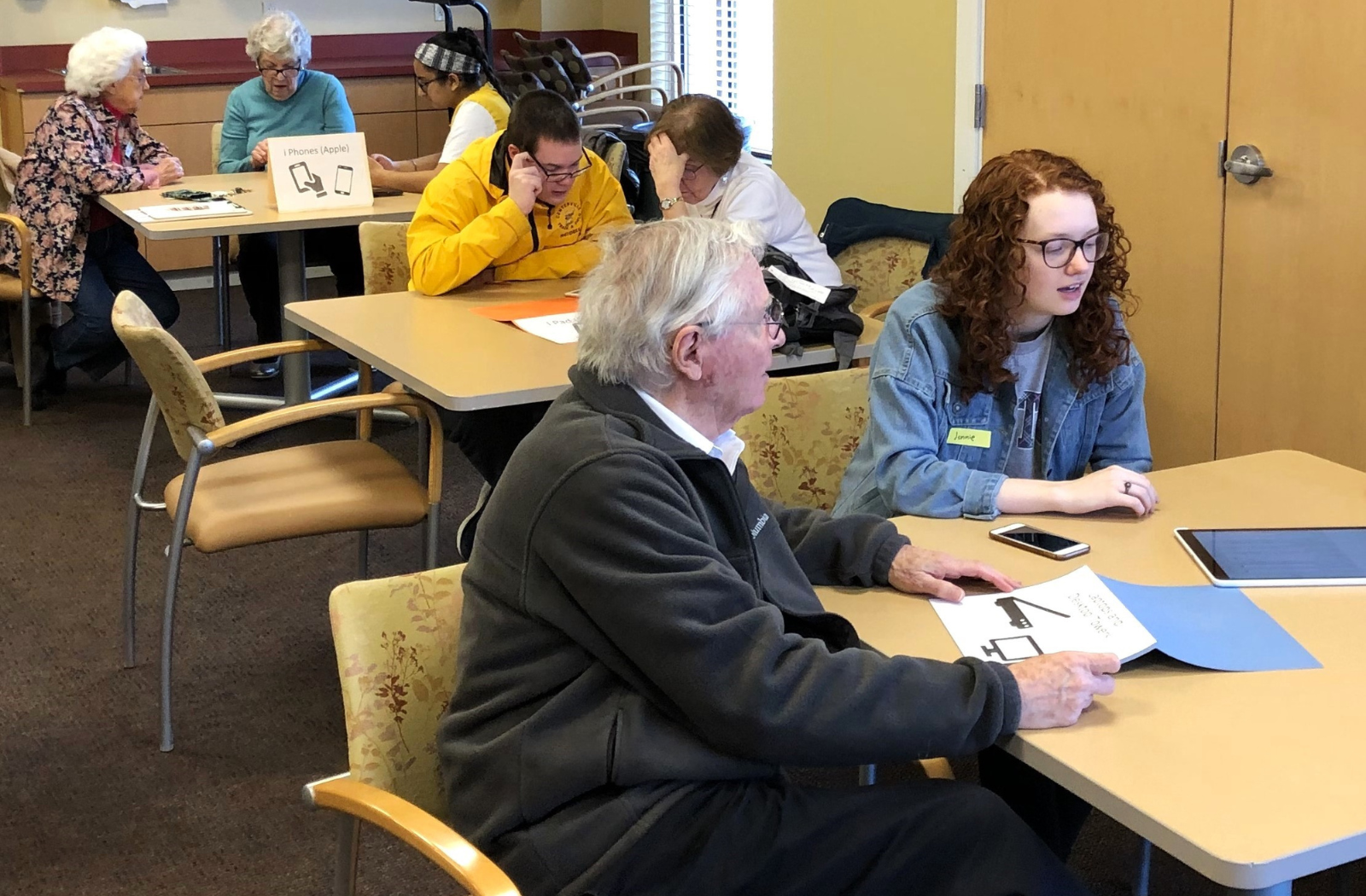
At Bethany Village, we understand the importance of staying connected in today’s digital world. For residents who want to learn more about using their laptop, iPhone, iPad, or desktop computer, our Technology Interest Group offers a welcoming space to explore and improve tech skills. Monthly meetings provide hands-on support, with local honor students and fellow neighbors ready to assist and share their knowledge. Whether you are new to social media or looking to expand your digital skills, there’s always an opportunity to learn and connect!

Caring for aging loved ones is both a privilege and a responsibility. More families keep their older adult relatives at home rather than transitioning them to senior communities. This creates the need for personalized care solutions. There is no one-size solution for caring for a senior at home. In-home care options include:

  • Skilled nursing care
  • Occupational therapy
  • Physical therapy
  • Home health aides
  • Companionship services
  • Palliative and hospice care
  • Technology-assisted care

A family likely doesn’t need every one of these services for their older adult loved ones to lead a healthy, happy life at home. But knowing what care options exist can make future planning much simpler and more effective.

Understanding At-Home Senior Care

At-home senior care refers to a range of services provided in the comfort of an older adult’s family home. This care meets aging adults’ medical, emotional, and social needs while allowing them to remain safely in a familiar environment.

Senior communities do everything possible to make their residents feel comfortable and at home. Still, at-home care offers a unique blend of familiarity, independence, and flexibility that is invaluable to many older adults and their families.

Key benefits of at-home senior care include:

  • Enabling older adults to maintain their routine in a comfortable and familiar space
  • Offering flexible and personalized care plans tailored to unique health and emotional needs
  • Strengthening family bonds as loved ones remain actively involved in caregiving
  • Eliminating the stress sometimes associated with moving to a new home

Types of At-Home Senior Care

When discussing at-home senior care, it’s essential to recognize that no two individuals share the same needs. Care services are available to address medical, emotional, and functional requirements.

Skilled Nursing Care

For older adults requiring advanced medical attention, skilled nursing care provides wound care, medication management, IV therapy, and post-surgical care. This form of care ensures professional oversight without the need to move into a healthcare community.

Occupational & Physical Therapy

Occupational therapy focuses on helping older adults maintain or regain the ability to perform daily activities such as bathing, dressing, or cooking. Professional therapists create personalized plans to enhance independence and improve overall quality of life.

Physical therapy is another beneficial therapy designed to improve mobility, strength, and balance. These improvements are crucial in preventing falls and injuries among older adults.

Home Care Aides

Home Care Aides assist with non-medical needs like personal hygiene, meal preparation, and light housekeeping. They also provide companionship, ensuring an older adult receives emotional support and social interaction.

Companionship Services

Loneliness can significantly impact a senior person’s mental and emotional well-being. Companionship services offer individuals who spend meaningful time with older adults, engaging them in activities such as reading, chatting, or going on walks.

Palliative & Hospice Care

Palliative care focuses on pain and symptom management to improve overall comfort and quality of life for older adults facing serious illnesses. Hospice care also provides compassionate end-of-life support for people and their families.

Technology-Assisted Care

Technology has opened new doors for at-home senior care. From wearable health monitors to smart home devices and telehealth consultations, technology enables real-time monitoring and access to healthcare professionals without requiring in-person visits.

Factors to Consider When Choosing At-Home Care

Deciding on an at-home care plan will often require more than one discussion among the family members. A few key factors to consider:

Financial Considerations

Evaluate the costs associated with different care options, including professional services and medical equipment. Look into insurance coverage, Medicare benefits, and other financial assistance programs.

Specific Needs

Consider medical, physical, and emotional needs. Does your aging loved one require around-the-clock medical supervision, rehabilitation, or simply companionship?

Caregiver Availability

Assess the time and capacity of family members to provide support. While some families can divide responsibilities, others might require professional aides to step in.

Preferred Living Environment

Ensure the home is safe and accessible, with modifications like grab bars, non-slip flooring, and wheelchair ramps if needed.

Creating a Customized Care Plan

A personalized care plan is the foundation of successful at-home caregiving.

  • Conduct a needs assessment: Evaluate the adult’s medical, physical, emotional, and social requirements.
  • Engage healthcare professionals: Collaborate with doctors, therapists, or care coordinators to develop an effective plan.
  • Set clear goals: Define both short-term and long-term objectives, such as improving mobility or maintaining mental stimulation.
  • Build a caregiving team: Designate roles among family members and consider enlisting professional care providers to cover essential areas.
  • Regularly review the plan: Reassess the care plan periodically to adapt to evolving needs.

Empowering the Senior Care Journey

Caring for an older adult loved one at home is a meaningful experience for everyone involved. Families can create an environment where everyone thrives with dignity and comfort by exploring various care options, tailoring a personalized care plan, and implementing thoughtful practices.

If you are ready to start your at-home senior care planning or have additional questions, please contact our professional team at Bethany Village.

As we age, the need for rehabilitation services can become a crucial part of maintaining independence and quality of life. Senior rehabilitation options are designed to help older adults regain their functional abilities after illness, injury, or surgery.

Among the most common types of senior rehabilitation are physical therapy, occupational therapy, and speech therapy. Each of these services focuses on different aspects of health and wellness, but all aim to improve mobility, enhance daily functioning, and increase independence.

1. Physical Therapy: Restoring Mobility and Function

Physical therapy (PT) is one of the most widely used rehabilitation services for seniors. It focuses on improving movement, alleviating pain, and preventing future injuries through exercises and hands-on treatments. PT is especially beneficial after surgeries, strokes, or injuries such as fractures or joint replacements. The goal for seniors who undergo physical therapy is to regain strength, balance, and mobility, making it easier to move around independently.

According to the American Physical Therapy Association (APTA), physical therapy for seniors often involves personalized exercise plans designed to improve strength, flexibility, and endurance. Therapists may use techniques like manual therapy, heat or cold therapy, electrical stimulation, and ultrasound to help alleviate pain and speed up recovery. PT can also include balance and gait training, which is crucial for preventing falls—one of the most significant risks for seniors.

Physical therapy is particularly beneficial for seniors recovering from knee or hip replacements. Research from Mayo Clinic suggests that physical therapy after joint replacement can significantly improve function and reduce the risk of complications, helping patients return to daily activities sooner.

2. Occupational Therapy: Improving Daily Living Skills

While physical therapy focuses on improving overall mobility, occupational therapy (OT) is aimed at helping seniors perform the activities of daily living (ADLs), such as bathing, dressing, cooking, and managing medications. OT is especially important for individuals who have lost some degree of independence due to an illness or injury, such as a stroke, arthritis, or dementia. The goal of occupational therapy is to enable seniors to live as independently and safely as possible.

According to the American Occupational Therapy Association (AOTA), occupational therapists work with seniors to modify their environment and use adaptive equipment to make daily tasks easier and safer. For example, an occupational therapist might recommend tools like grab bars in the bathroom, special utensils for eating, or a dressing aid to help with putting on clothes. Additionally, OT can teach seniors energy-saving techniques to make daily tasks less tiring.

OT can also aid older adults in regaining cognitive and sensory functions that may have been impaired after a stroke or traumatic brain injury. By using tailored exercises, therapists can help improve memory, attention, and problem-solving skills, all of which are crucial for maintaining independence.

3. Speech Therapy: Enhancing Communication and Swallowing Function

Speech therapy is another essential component of senior rehabilitation, particularly for individuals who have experienced neurological conditions like stroke or Parkinson’s disease, which can affect speech, language, and swallowing. Speech-language pathologists (SLPs) are trained to evaluate and treat communication and swallowing disorders, helping seniors regain the ability to speak, understand language, and eat safely.

According to the American Speech-Language-Hearing Association (ASHA), speech therapy for seniors can involve working on speech clarity, language comprehension, memory, and cognitive-communication skills. This can include exercises designed to strengthen the muscles used in speech and swallowing, as well as strategies to improve word-finding and sentence construction.

One of the most critical aspects of speech therapy for seniors is addressing dysphagia, or difficulty swallowing. Dysphagia can be caused by a number of health conditions, including stroke, Parkinson’s disease, or even age-related muscle weakness. ASHA notes that speech therapy can help seniors with dysphagia learn how to swallow more safely, reducing the risk of choking or aspiration pneumonia, a serious complication.

Speech therapy can also aid those with aphasia, a condition that affects a person’s ability to understand or produce language, often as a result of a stroke. According to Mayo Clinic, speech therapy can help individuals with aphasia improve their ability to communicate by using different techniques such as visual aids, exercises, and alternative communication devices.

When to Seek Rehabilitation Services for Seniors

Determining when to seek rehabilitation services for a family member can be a challenge, but there are several key indicators. If an older adult has experienced a fall, injury, stroke, or surgery, rehabilitation is often a necessary part of the recovery process. Similarly, if a loved one is struggling with daily activities like dressing, eating, or walking, occupational or physical therapy may be beneficial.

Moreover, if a senior is having difficulty speaking clearly or swallowing, a referral to a speech therapist is recommended. Early intervention is often key to preventing long-term complications and helping seniors regain their independence.

The Benefits of Senior Rehabilitation

Rehabilitation therapy offers numerous benefits for seniors, including:

Improved quality of life: Rehabilitation therapies are tailored to help regain essential physical and cognitive functions, allowing aging adults to live independently and participate in daily activities.

Prevention of future injuries: Physical therapy, particularly balance and strength training, can significantly reduce the risk of falls and fractures.

Enhanced communication skills: Speech therapy can help seniors with communication disorders regain the ability to express themselves clearly and effectively.

Increased independence: Occupational therapy enables seniors to perform tasks independently by recommending adaptive techniques and tools.

Thinking About Next Steps?

Physical, occupational, and speech therapy are vital components of senior rehabilitation. These services help seniors recover from injuries, surgeries, and medical conditions, while also improving their overall quality of life. By addressing the specific needs of each individual, rehabilitation therapies allow seniors to regain independence, enhance their mobility, and improve their ability to communicate and perform daily tasks.

If you or a loved one is in need of rehabilitation services, consider exploring the comprehensive care options available at Bethany Village. Their team of professionals is dedicated to providing personalized rehabilitation programs to meet each resident’s unique needs.