
Key Takeaways

  • The right memory care community should match your loved one’s health needs, routines, personality, and interests.
  • Ask how team members are prepared to support people living with dementia and how care plans change over time.
  • Look closely at safety features, daily support, activities, dining, and the overall environment.
  • A memory care tour gives you an opportunity to ask specific questions and see how the community approaches daily life.
  • Review costs, included services, additional fees, and availability before comparing your options.
  • Families considering memory care in Dayton, Ohio, can visit communities in person to get a clearer sense of where their loved one may feel comfortable.

How to Find a Memory Care Community That Fits

You’ve noticed the missed medications, the repeated phone calls, the stove left on. Caring for a parent with memory loss at home can stretch a family thin, and the search for help often starts with a long list of communities and very little clarity. Comparing memory care communities can feel like a major decision, especially when you’re trying to balance health needs with the routines and preferences that make your loved one who they are, but your family isn’t alone.

Finding the right memory care community means looking closely at daily care, safety, activities, team experience, and the overall environment. If you’re considering memory care in Dayton, Ohio, visiting communities and asking detailed questions can help you understand what everyday life would actually look like. The goal is to find a setting that can meet your loved one’s needs while respecting their abilities, interests, and familiar routines.

What to Look for in a Memory Care Community

A community may look inviting during a tour, but the details of everyday care matter just as much as the surroundings. Consider how each community would support your loved one now, as well as how it could respond if their needs change.

Daily Care and Health Support

Start with the areas where your loved one needs support today, such as bathing, dressing, grooming, mobility, or medication management. Ask how team members learn each person’s routines and how they respond when someone needs additional assistance. It’s also helpful to understand how health concerns are monitored and what support is available overnight.

Safety and Security

Memory care communities should balance safety with opportunities for residents to move through their surroundings comfortably. During a tour, look at entrances, outdoor areas, hallways, lighting, and emergency response systems, and ask how the community responds to wandering or other dementia-related safety concerns. A well-planned environment should make everyday spaces easier to navigate without feeling unnecessarily restrictive.

Engaging Activities and Programs

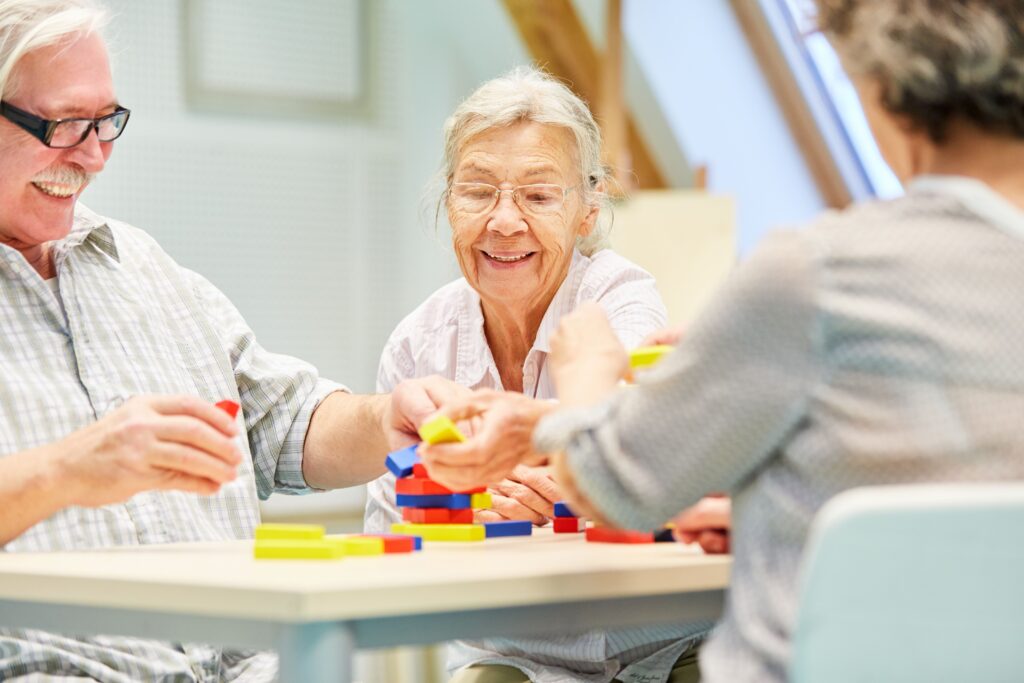
Daily activities in memory care can provide structure while giving residents opportunities to socialize, move, create, and spend time doing things they like. Ask about programs such as music, art, gardening, exercise, games, or sensory activities, as well as how activities are adapted for different interests and abilities. A varied community events calendar also gives residents choices rather than expecting everyone to participate in the same way.

Personal Preferences and Familiar Comforts

Your loved one’s preferences still matter when they move to memory care. Think about whether they prefer quiet mornings or a busy social calendar, which foods they like, what hobbies are meaningful to them, and whether faith is an important part of their routine. You can also ask about suite options, personal belongings, spiritual services, and other ways the community helps residents maintain familiar parts of daily life.
Questions to Ask During a Memory Care Tour

A tour is your opportunity to move beyond brochures and learn how a community approaches dementia care from day to day. Bring questions with you, take notes, and ask for clarification when policies or services differ between communities.

Consider asking:

  • How are team members prepared to support people living with dementia?
  • How do you create and update each resident’s care plan?
  • How do you communicate with families about changes in health, behavior, or care needs?
  • What safety measures are in place throughout the community?
  • How are activities adapted to residents’ interests, abilities, and changing needs?
  • What does the monthly fee include, and which services may involve additional costs?
  • What happens if my loved one needs more support in the future?

You can also ask about current availability, anticipated fee changes, and any waiting list before making a decision. Clear answers can make it easier to compare communities based on the factors that matter most to your family.

Choose Memory Care With Confidence

Choosing memory care isn’t about finding a community with the longest list of amenities. Your loved one’s health needs, personality, routines, interests, and comfort should remain at the center of the decision. Asking specific questions and visiting communities in person can help you see how each option approaches the details that will shape everyday life.

Bethany Village has served older adults and families in the Dayton area since 1946. As a faith-based nonprofit community in Centerville, Bethany Village welcomes people of all faiths and brings its tradition of Faithful Caring to memory support and other health care services. The 100-acre campus also offers a continuum of care, so additional support is available within a familiar community if needs change over time. Schedule a tour of Bethany Village today to learn more about memory care in Centerville, Ohio.
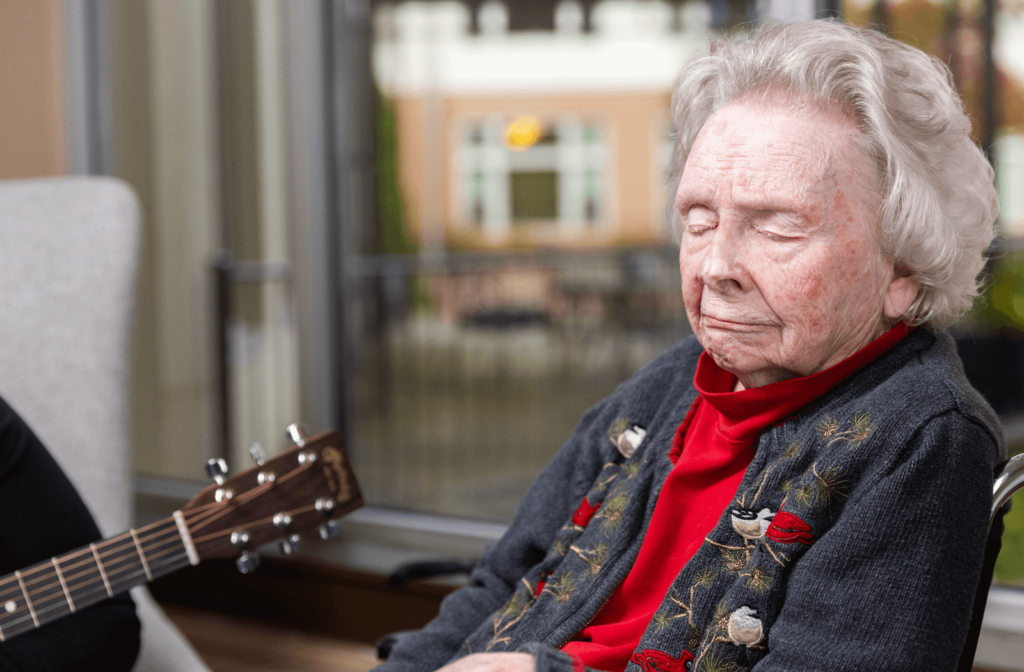
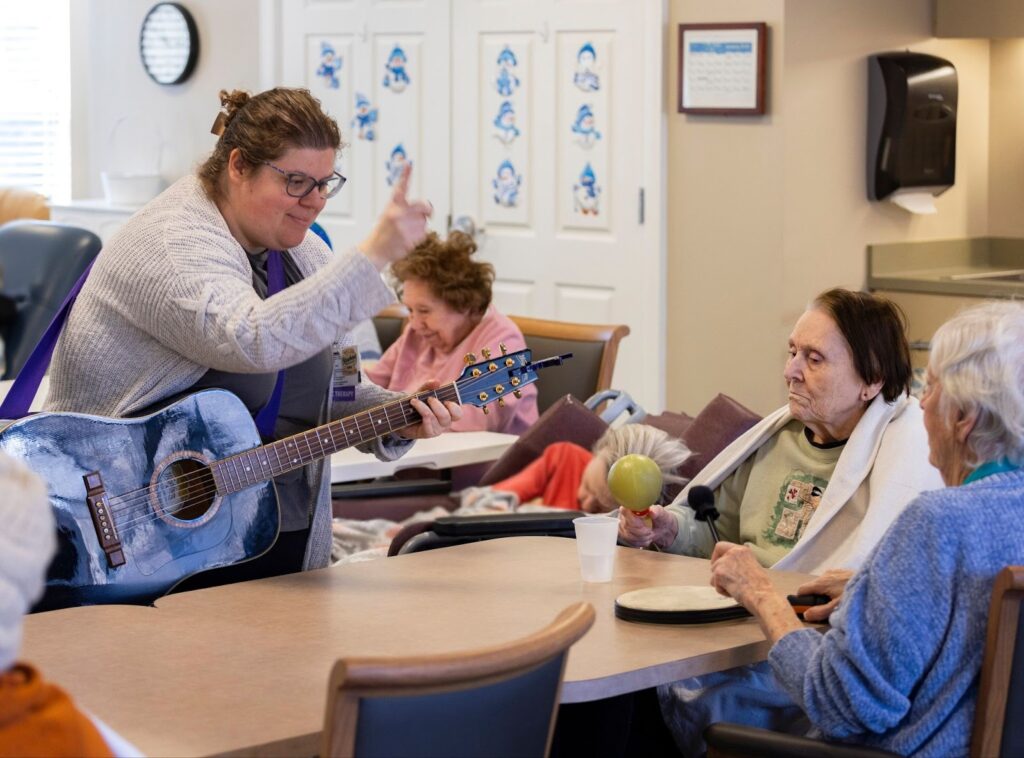
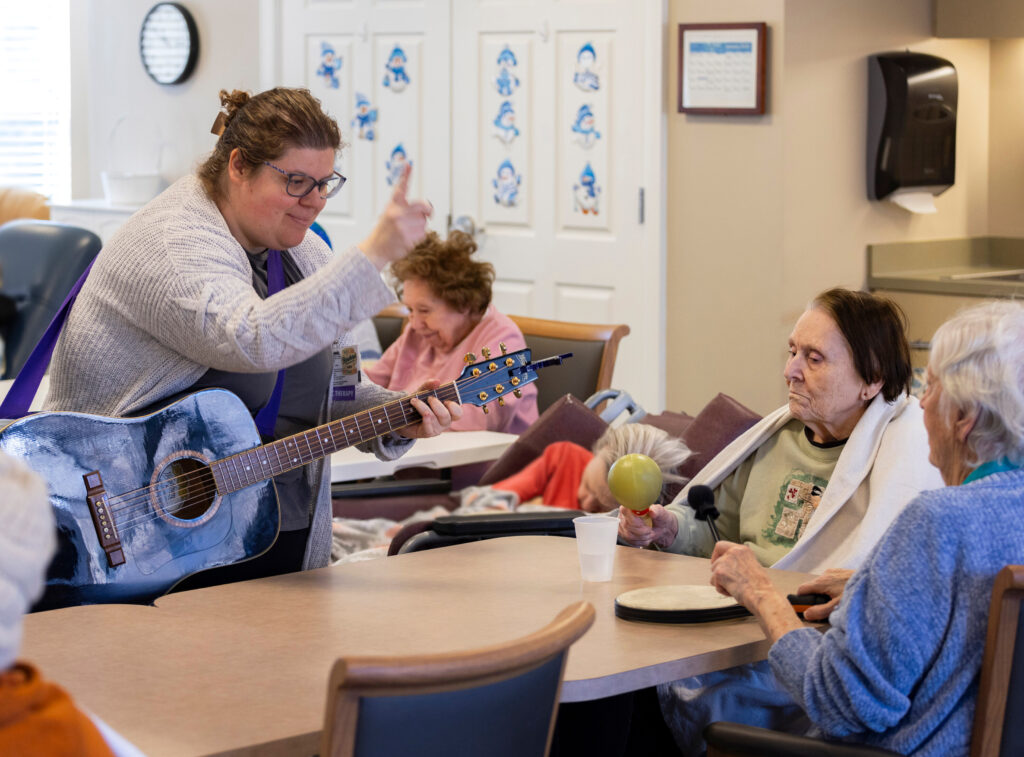
Music therapy programs are a vibrant part of life in various settings, where a board-certified music therapist guides residents through music experiences to support their health and quality of life. This can be especially meaningful in communities offering assisted living or specialized memory care. It is a recognized profession with its own practice standards, and we are proud to celebrate the professionals in this field.

Key Takeaways

  • Music therapy is a planned therapeutic process that uses music experiences such as singing, instrument play, improvisation, songwriting, movement and receptive listening to address physical, cognitive, and emotional needs through assessment, treatment and evaluation.
  • Listening to or creating music to express oneself can help reduce stress and calm feelings of anxiety in older adults.
  • It can also help with communication and cognitive function, particularly for individuals in memory care, to make choices – giving them a sense of purpose.
  • Group music therapy sessions encourage social connection and physical movement, which contribute to overall well-being.

Discovering the Power of Music

We all know the feeling of a favorite song lifting our spirits or bringing back a cherished memory. During Music Therapy Month, we recognize how music can be used in a structured way to support older adults. This approach supports well-being and addresses challenges related to aging.

What Does Music Therapy Involve?

Music therapy is more than just listening to the radio or singing along to familiar tunes. It uses specific music experiences led by a licensed professional to help individuals achieve certain therapeutic goals. This approach is tailored to meet each person’s individual needs and preferences.

A music therapist might use singing or lead a progressive muscle relaxation to help someone relax and manage stress. They could also use different rhythms as well as pitch and vocal techniques to help a person with speech difficulties communicate. The focus is always on using music to improve a person’s quality of life.

How Music Supports Mental and Emotional Health

Reduces Feelings of Stress

Some older adults experience significant stress and tension. Listening to calming music can help slow a fast heart rate. It can also help lower levels of stress hormones in the body.

Additionally, in a music therapy program, a music therapist might select resident-preferred songs with gentle rhythms or soundscapes. The lyrics and themes can also be chosen to help people feel more relaxed and verbally process experiences. This can create a peaceful and soothing atmosphere.

Improves Cognitive Skills

Music therapy is often part of a comprehensive care plan for individuals requiring memory care. It may help retain speech skills. Sometimes, music can even encourage a nonverbal person to hum or sing along.

Research has shown that music stimulates the brain by activating multiple areas in both hemispheres, including those responsible for emotions, memory, and motor function, which can lead to increased cognitive function, emotional responses, and even physical health benefits  such as supporting blood flow.. The experience is both engaging and beneficial for residents.

How Music Encourages Physical and Social Activity

Inspires Movement

Upbeat music can motivate older adults to engage in physical activity. This might mean dancing, clapping their hands, or just tapping their toes to the beat. Structured movement and utilizing handheld instruments are positive forms of utilizing gross and fine motor physical activity. Instruments such as drums, tambourines and shakers provide opportunities for participants to make their own music and express themselves as well as feeling grounded and vibrotactile stimulation.  It is a fun and interactive way to stay mobile.

Increases Social Connections

Music has a natural way of bringing people together. During group music therapy, older adults can connect over a shared interest in music or life experiences. This experience often leads to new and lasting friendships.

The social side of music therapy helps reduce feelings of loneliness or isolation. It provides a sense of community and belonging. This is a crucial aspect of well-being in any senior living environment.

Music Therapy Across Different Levels of Care

Music therapy is adaptable and offers support in many different living situations. For individuals in independent living or assisted living, it can be a great way to stay social and engaged. It can also serve as a comforting presence for those who need more support.

In communities offering short-term rehab or skilled nursing, music can help people manage discomfort and identify coping skills. It can also motivate them during other forms of therapy. For those who require compassionate support, music can offer a profound sense of calm and normalization for residents and their loved ones.

Learn More About Supportive Programs at Bethany Village

Enriching programs, such as music therapy, can have a profound impact on the mental, physical, and emotional well-being of older adults. Finding a community that offers a variety of engaging activities is a high priority for many families. At Bethany Village, we offer these programs to foster a vibrant and supportive atmosphere that enables individuals to thrive.

If you are exploring care options for a loved one, we invite you to see our community for yourself. Learning about the day-to-day life and activities available can help you in your search. We are happy to answer your questions and share what makes life here so fulfilling.

Contact us today to schedule a personal tour and learn more about our supportive lifestyle options.


Finding a meaningful holiday gift for a loved one living with Alzheimer’s or dementia can feel overwhelming. Traditional gifts don’t always land the same way, and that’s okay. What matters most is choosing something that brings comfort, familiarity, and a sense of connection.

5 thoughtful holiday gift ideas for someone with dementia include:

  • Tech-related gifts that encourage familiarity
  • Personalized comfort and care gifts
  • Sensory and creative gifts for calm engagement
  • Cozy everyday gifts that promote relaxation
  • The gift of your time and presence

Key Takeaways

  • Dementia-friendly holiday gifts are most meaningful when they focus on comfort, familiarity, and emotional connection rather than novelty.
  • Simple, easy-to-use technology like digital photo frames or music players can help reinforce recognition without causing frustration.
  • Personalized comfort items and sensory-based gifts can provide reassurance and help reduce anxiety.
  • Cozy, everyday items that support warmth and routine are often appreciated and used regularly.
  • Time spent together—listening to music, sharing photos, or sitting quietly—can be the most valuable gift.

Gift Ideas to Inspire Joy and Connection

Thoughtful gifts for someone with dementia are less about impressing and more about supporting emotional well-being. So, try focusing on familiarity, comfort, and shared experiences.

Tech-Related Gifts That Encourage Familiarity

Simple technology can be surprisingly comforting when it’s easy to use and tied to familiar faces, sounds, or routines. Passive tech works best because it helps your loved one enjoy it without needing to learn something new or make decisions.

Here are a few tech-related gift ideas to consider:

  • Digital photo frames that rotate familiar family photos
  • Simple music players preloaded with favorite songs
  • Tablets set up only for viewing photos or short videos

These gifts can gently reinforce recognition and connection without adding frustration or confusion.

Personalized Comfort and Care Gifts

Personalized gifts show thoughtfulness and attention to your loved one’s preferences. Items tied to routine or familiar comforts can help them feel safe and understood, even as cognitive changes progress.

Some meaningful comfort-focused gift ideas include:

  • Customized care packages with favorite snacks or teas
  • Familiar lotions, soaps, or grooming items with preferred scents
  • Small keepsakes like notes, cards, or drawings from family

Personal touches remind your loved one that they are known, cared for, and valued.

Sensory and Creative Gifts for Calm Engagement

Sensory experiences can be grounding for people living with dementia. Gentle, hands-on activities often provide comfort without requiring complex thinking or memory recall.

Consider sensory or creative gifts such as:

  • Art supplies for simple drawing or painting
  • Large-piece puzzles designed for easy handling
  • Soft fidget items or textured blankets

These gifts encourage quiet engagement and can help reduce anxiety during moments of restlessness.

Cozy Everyday Gifts That Promote Relaxation

Comfort-focused gifts support daily well-being and can be enjoyed repeatedly. Items that promote warmth, safety, and physical ease are especially appreciated during the winter months.

Some cozy gift ideas include:

  • Soft throw blankets for naps or quiet evenings
  • Non-slip slippers or socks
  • Comfortable clothing designed for easy wear

Everyday comfort can make routines feel calmer and more predictable.

The Gift of Your Time and Presence

Above all else, your presence is often the most meaningful gift. Shared moments don’t need to be elaborate to matter—they simply need to feel calm and attentive.

Ways to give your time as a gift include:

  • Listening to familiar music together
  • Looking through photos or memory books
  • Sitting quietly and talking, or simply being together

Consistency and connection matter far more than perfection.

Recognizing When Your Loved One May Need More Support

The holidays often bring families together, sometimes for longer visits than usual. During this time, you may notice changes in your loved one’s safety, routines, or ability to manage daily tasks. These observations can be difficult but important.

If you notice significant changes in your loved one’s cognitive status, don’t ignore them. Instead, it’s likely time to explore a move to memory care.

What Is Memory Care?

Memory care provides specialized support for those in need. When cognitive conditions like dementia and Alzheimer’s disease are at play, this lifestyle can offer customized care to your loved one. These communities offer structured routines, safety-focused environments, and caregivers trained to support cognitive changes with compassion and consistency.

Give Them the Gift of a Supportive, Loving Community

This holiday season, focus on what brings your loved one comfort and happiness. Whether through a thoughtful gift, meaningful time together, or planning for their future well-being, every act of care matters.

Choosing memory care can be one of the most meaningful gifts you give your loved one. It offers stability, routine, and a team of professionals who understand the unique challenges of dementia care. And here at Bethany Village, we’re ready to welcome your loved one home. Schedule a tour of our community today, and we can work together to make this season one to remember.

Key Takeaways

  • Memory care communities are specifically designed to provide a safe and supportive environment for people with memory-related conditions such as Alzheimer’s and dementia.
  • These communities offer tailored routines, activities, and specialized care aimed at promoting cognitive health and enhancing overall quality of life.
  • Families can find reassurance in the compassionate and highly personalized care provided, which prioritizes the comfort, stability, and well-being of their loved ones.

Choosing memory care for a loved one is a significant life decision. Daily life in a memory care community is centered around a safe, structured environment tailored to the needs of people with Alzheimer’s, dementia, or other memory-related conditions.

These communities provide specialized care, routines, and activities designed to support cognitive health and enhance quality of life. Families can expect compassionate care focused on creating comfort and stability for their loved ones.

Understanding Memory Care

Memory care communities are designed to provide dedicated support for older adults facing cognitive decline, such as dementia or Alzheimer’s. These communities go beyond traditional assisted living to offer a safe and supportive environment tailored to their unique needs.

  • Safe and Supportive Design: Memory care communities feature secure perimeters and clear layouts to minimize confusion and ensure residents can navigate safely and confidently.
  • Specialized Care: Staff are trained specifically in dementia care, equipping them to handle the challenges of cognitive decline with compassion and expertise.
  • Engaging Programming: Activities and routines are designed to reduce anxiety, encourage social interaction, and promote a sense of independence within safe boundaries.

Memory care focuses on creating a comfortable and structured environment for residents, helping them live with dignity and purpose. It’s a vital option for families seeking expert care for their loved ones.

How Memory Care Benefits Those Living with Dementia

People with dementia thrive in environments that provide consistent routines, meaningful engagement, and appropriate stimulation levels. Memory care communities address the unique challenges that come with cognitive decline, including wandering behaviors, sleep disturbances, and communication difficulties.

The specialized approach reduces agitation and confusion while maintaining dignity and quality of life. Professional caregivers understand how to communicate effectively with people experiencing memory loss, using techniques that validate emotions and redirect behaviors positively.

What to Expect from Memory Care Communities

Memory care communities provide a safe and nurturing environment tailored to the needs of people living with memory loss. These communities offer specialized programs, compassionate support, and structured routines to enhance both comfort and well-being.

Structured Routine

Daily schedules provide predictability and comfort. Morning activities might include personal care assistance, breakfast, and light exercise, followed by structured programming throughout the day. Consistent meal times, activity periods, and rest opportunities create a rhythm that supports cognitive function.

Personalized Care Plans

Each person receives individualized attention based on their specific needs, preferences, and stage of memory loss. Care teams regularly assess and adjust these plans as conditions change, ensuring appropriate support levels while encouraging remaining abilities.

24/7 Supervision and Security

Professional caregivers provide round-the-clock oversight within secure environments. These communities feature controlled access points and outdoor areas, and safety systems designed to prevent wandering while allowing freedom of movement within safe boundaries.

Purposeful Engagement

Programming focuses on cognitive stimulation, physical wellness, and social connection. Residents may join in on activities like art therapy, music therapy, simple chores, gardening, cooking demonstrations, exercise, sensory programs and reminiscence sessions. These activities are designed to tap into long-term memories, creativity, or physical ability.

Specialized Therapies

Many communities offer occupational therapy, physical therapy, and speech therapy specifically adapted for people with cognitive impairment. These services help maintain function and slow decline when possible.

Comfortable and Safe Environment

Living spaces are designed with dementia-specific features like enhanced lighting, reduced noise levels, and familiar décor that creates a sense of home while ensuring safety.

Supportive Community

Connections with families, peers and residents who are going through similar life events can help with independence and processing.

A Day in Memory Care

While each community operates differently and individual needs vary, here’s an example of what a typical day might include:

  • Morning: Personal care assistance, breakfast in a communal dining room, light exercise or stretching, and morning activities like reading the newspaper or discussing current events.
  • Late Morning: Structured activities such as art projects, music therapy, or reminiscence programs that engage cognitive abilities and promote social interaction.
  • Afternoon: Lunch followed by quiet activities like puzzles or one-on-one time with caregivers. Some people may prefer afternoon rest periods.
  • Early Evening: Light activities, snack time, and preparation for dinner. This period often focuses on calming activities to reduce late-day confusion known as “sundowning.”
  • Evening: Dinner, family-style social time, and winding-down activities before bedtime routines begin.

Remember, this represents just one example. Days can look quite different depending on the specific community philosophy, individual preferences, and each person’s unique needs and abilities.

How Bethany Village Makes Every Day Enjoyable in Memory Care

Bethany Village’s memory support community is dedicated to creating meaningful connections and enriching experiences tailored to each person. With a focus on quality of life, we provide compassionate care in a secure and welcoming environment.

  • Personalized Programs: Through initiatives like the award-winning Opening Minds Through Art, residents enjoy cognitive stimulation and opportunities for self-expression. Licensed music therapy, conversation programs, and pet therapy visits further enrich their daily lives.
  • Engaging Activities: Residents benefit from family-style dining experiences, weekly worship services, and a variety of social and recreational activities, all designed to honor their unique backgrounds and provide appropriate engagement.
  • Safe, Comfortable Spaces: Secure indoor and outdoor areas allow residents to explore and socialize independently, while modern, spacious living spaces ensure a true sense of home with professional support always available.

Bethany Village combines compassionate care with thoughtfully designed programs, creating an environment where people can thrive and enjoy every day to the fullest.

Finding Peace of Mind Through Understanding

Bethany Village offers a compassionate and specialized environment designed for older adults with dementia, providing the care and support they need to live with dignity and joy. Through structured routines, personalized care plans, and engaging activities, our memory support services create a safe, nurturing space where residents can thrive despite cognitive challenges. Contact us today to discover how Bethany Village can make a difference for your loved one.

For older adults living with Alzheimer’s disease or other types of dementia, staying active and engaged can make a powerful difference. Purposeful daily activities not only help reduce confusion, agitation, and wandering but also bring joy, boost confidence, and support cognitive function. In memory care communities, structured and thoughtfully designed activities are essential for promoting a sense of well-being, independence, and connection.

This guide explores five enriching memory care activities—exercise, creative arts, brain games, music therapy, and purposeful tasks—that are commonly offered in assisted living communities, and explains why they matter for seniors with memory loss. Whether you’re caring for a loved one at home or exploring memory care options, understanding these activities can help you make informed decisions that prioritize health, dignity, and happiness.

1. Physical Exercise & Movement

Why it matters: Regular movement improves circulation, supports balance, and helps manage dementia-related behaviors like restlessness or aggression. Physical activity can also release endorphins, promoting better mood and sleep.

Common activities include:

  • Chair yoga: Gentle, guided stretches that support mobility and mindfulness.
  • Tai Chi: A slow, flowing form of movement that enhances coordination and reduces fall risk.
  • Daily walks: Whether indoors or outside, supervised walking is simple and effective.
  • Resistance bands or light weights: These help maintain muscle strength without straining joints.

Is exercise safe for seniors with dementia?
Yes—with supervision and guidance. Activities are adapted to match the individual’s abilities and cognitive level, often led by trained staff who ensure safety and encouragement.

2. Brain Games & Cognitive Exercises

Why it matters: Brain training supports memory, attention, and reasoning skills. For individuals with early to moderate-stage dementia, puzzles and games can help maintain cognitive abilities and improve focus.

Popular brain-boosting activities include:

  • Jigsaw puzzles
  • Matching card games
  • Word searches and crossword puzzles (modified for simplicity)
  • Trivia games focused on familiar topics
  • Sorting and sequencing tasks

Can these games slow memory decline?
While they won’t stop dementia progression, cognitive activities may help preserve function and delay further decline—especially when combined with routine, social interaction, and physical movement.

3. Life Skills & Purposeful Tasks

Why it matters: Routine, meaningful tasks create a sense of structure and self-worth. When seniors feel useful, their mood often improves and they remain more socially engaged.

Examples of purposeful activities:

  • Folding towels or sorting laundry
  • Washing vegetables or stirring batter in a cooking activity
  • Setting the table or organizing drawers
  • Gardening in raised beds or indoor planters
  • Feeding fish, birds, or small pets within the community

Are these activities safe?
Yes. Tasks are carefully chosen and adapted to suit each individual’s cognitive and physical abilities. Even simple responsibilities can bring a deep sense of satisfaction and pride.

4. Arts & Crafts

Why it matters: Creative expression taps into emotions and memories in ways that words often cannot. Even when language skills decline, many individuals retain their ability to engage with colors, textures, and patterns.

Engaging crafts may include:

  • Painting and drawing
  • Coloring with stencils or adult coloring books
  • Simple knitting or crocheting
  • Collaging or scrapbooking with family photos
  • Clay modeling or flower arranging

How does art benefit brain health?
Studies show that art stimulates the brain’s sensory and emotional centers, helping seniors feel relaxed, focused, and accomplished. It can also enhance dexterity and reduce anxiety.

5. Music & Reminiscence Therapy

Why it matters: Music has a unique power to spark memories and soothe agitation. Familiar melodies can often trigger emotional responses or verbal expressions, even in people who struggle to communicate otherwise.

Ways music is used in memory care:

  • Listening sessions with personalized playlists
  • Group sing-alongs with classics and favorites
  • Drumming circles or playing simple instruments
  • Movement to music (e.g., clapping, tapping, gentle dancing)

What is reminiscence therapy?
Reminiscence therapy uses prompts like music, photos, or objects to encourage individuals to talk about their past. This can evoke pleasant memories, foster connection, and reinforce identity—helping seniors feel seen and valued.

FAQs About Memory Care Activities

Do memory care residents have a choice in their activities?

Absolutely. While structured programming is provided, residents are encouraged to participate based on their interests, energy level, and mood. Personal choice plays an important role in preserving dignity and autonomy.

Are group activities better than one-on-one?

Both are important. Group activities provide socialization and a sense of community, while one-on-one interactions offer comfort and focused attention—especially helpful for residents with higher levels of memory loss.

How often do activities occur?

In most memory care communities, there are daily programs scheduled throughout the day—from morning movement to evening calming routines. Activities are designed to follow a consistent rhythm to reduce confusion and create a comforting routine.

The Right Environment Matters

When thoughtfully designed, memory care activities can do more than pass the time—they can improve quality of life, reduce anxiety, and strengthen meaningful connections. A successful memory care program doesn’t just keep residents busy; it honors who they are, where they’ve been, and what brings them joy.

If you’re exploring options for memory care in Dayton, OH, Bethany Village offers a warm, supportive environment where personalized engagement is part of everyday life. Our compassionate team is here to help your loved one thrive with dignity and purpose. Contact us today to schedule a tour or learn more about our memory care services.

Memory care communities provide structured, engaging environments for seniors living with Alzheimer’s or other forms of dementia. While memory loss can present challenges, the right activities can improve overall well-being.

Memory games like puzzles, trivia, matching games, storytelling, and word association activities help stimulate cognitive function, encourage recall, and promote social engagement.

Various daily activities can help seniors stay engaged, reduce anxiety, stimulate the mind, promote relaxation, and maintain a sense of identity to create moments of joy.

How Memory Games Help Cognitive Function

Memory games can effectively stimulate brain activity, strengthen recall abilities, and enhance cognitive function. These activities engage different brain areas, helping to maintain mental agility and slow cognitive decline.

Key Benefits of Memory Games

Games can make brain stimulation enjoyable, such as:

  • Matching games, trivia, & storytelling exercises reinforce memory by prompting seniors to retrieve or recall information
  • Puzzles & word association games challenge cognitive processing, problem-solving, & strategic thinking
  • Games like Sudoku & card matching require concentration, helping to enhance focus & attention span
  • Group games encourage social interaction through communication & collaboration, reducing feelings of isolation
  • Successfully completing a game builds confidence, promotes a sense of accomplishment, & reinforces cognitive abilities

By incorporating memory games into daily routines, seniors can stay mentally active, engaged, and connected, improving their overall well-being in a fun and meaningful way.

Music Therapy

Music can profoundly impact memory and emotions, making it a valuable tool for seniors with cognitive decline. Listening to familiar songs can spark memories, improve mood, and reduce anxiety.

Many people find comfort in hearing music from their past, as it can take them back to meaningful moments in their lives.

Ways to Incorporate Music Therapy

There are many ways seniors can benefit from music therapy:

  • Sing-alongs encourage engagement & memory recall
  • Personalized playlists with familiar songs spark emotional connections
  • Playing simple instruments, such as drums or maracas, allows active participation
  • Live performances by musicians or choirs provide entertainment & social interaction
  • Gentle movement or dancing to music enhances coordination & mood

Even those with progressed memory loss often respond positively to music therapy, showing signs of recognition and emotional connection.

Arts & Crafts

Creative expression offers an excellent outlet for self-discovery, fine motor skill development, and emotional well-being. Painting, coloring, and crafting help older adults express themselves while providing a sense of accomplishment.

Examples of Engaging Arts & Crafts for Seniors

Some great ways to get started include:

  • Painting & drawing with watercolors or colored pencils for a low-stress creative experience
  • Scrapbooking with old photographs & familiar images to reinforce identity
  • Knitting or crocheting simple projects that encourage focus & relaxation
  • Seasonal crafts such as decorating ornaments, making greeting cards, or creating flower arrangements
  • Clay or pottery projects that provide a tactile, sensory experience

Focusing on the process rather than the final product creates a stress-free and enjoyable activity.

Gardening

Spending time in nature has been shown to reduce stress, improve mood, and promote relaxation. Gardening provides a soothing, hands-on activity that engages the senses and fosters a sense of purpose.

Memory-Supportive Gardening Activities

Simple ways to inspire a green thumb include:

  • Planting flowers, herbs, or vegetables in raised garden beds for accessibility
  • Watering & pruning plants as part of a simple daily routine
  • Arranging flowers to encourage creativity & sensory engagement
  • Harvesting vegetables to foster a sense of accomplishment & connection to nature
  • Sitting in a peaceful garden space to enjoy fresh air & sunlight

Gardening is easily adaptable to different ability levels, enabling all residents to participate at their own pace.

Brain Games & Puzzles

Mental stimulation is a key component of cognitive health, and brain games help keep the mind engaged and active. Activities such as crossword puzzles, sudoku, trivia, and memory games challenge different areas of the brain while offering a sense of fun and accomplishment.

Brain-Boosting Activities

Some brain-boosting activities seniors can try include:

  • Jigsaw puzzles that promote problem-solving skills & teamwork
  • Matching games to encourage memory recall & cognitive function
  • Storytelling activities where seniors complete a sentence or tell a short tale
  • Trivia contests with questions related to music, history, or personal experiences
  • Simple sudoku or number-based puzzles that support logical thinking

Card and board games can encourage group engagement while stimulating the brain, combining the benefits of social interaction and memory activities.

Pet Therapy

Interacting with animals provides emotional comfort and companionship, reducing feelings of loneliness and stress. Pet therapy is especially beneficial for seniors in memory care, as it can increase social engagement, lower blood pressure, and bring moments of joy.

Ways to Introduce Pet Therapy

Some ways to introduce pet therapy include:

  • Therapy dog visits that provide companionship & encourage interaction
  • Small animal interactions with rabbits, birds, or guinea pigs for sensory stimulation
  • Community pets, such as a cat or a fish tank, can create a calming presence
  • Simple pet care tasks, like brushing a dog or feeding fish, foster routine & responsibility

Even brief interactions with animals can have a lasting impact on mood and overall well-being.

Storytelling & Reminiscing

Encouraging seniors to share their life stories can reinforce their sense of identity and provide opportunities for meaningful conversations. Memory support activities often include group storytelling, sharing family photos, and discussing past experiences to stimulate memory recall.

Ideas for Storytelling & Reminiscence

Caregivers can encourage storytelling and reminiscence through:

  • Memory boxes filled with familiar objects that trigger memories
  • Family photo albums that encourage discussions about meaningful life moments
  • Group storytelling sessions where residents contribute to a shared story
  • Themed discussions about past holidays, careers, or childhood experiences
  • Music or scent-based reminiscence activities that connect to specific memories

These sessions help preserve personal history and create deeper connections between residents, caregivers, and family members.

Gentle Exercise & Movement

Physical activity benefits the body and mind, and regular movement can improve mobility, circulation, and overall cognitive health. Exercise programs in memory support communities focus on low-impact activities accessible to seniors with varying mobility levels.

Safe Exercise Options for Memory Care

Many exercises can be modified to meet individual physical capabilities, including:

  • Chair yoga to improve flexibility & relaxation
  • Tai chi for gentle movement & balance enhancement
  • Dancing or rhythmic movement to music for coordination & social engagement
  • Light resistance exercises using resistance bands or small weights
  • Nature walks or supervised strolls for fresh air & gentle activity

Exercise sessions are designed to be adaptable, making them enjoyable for seniors at different ability levels.

Creating Meaningful Experiences at Bethany Village

Memory care should go beyond daily support to enhance quality of life through engaging activities and personal connections. A well-rounded memory care program incorporates music therapy, creative arts, gardening, social engagement, pet therapy, and movement to provide a fulfilling experience for residents.

At Bethany Village, every activity is designed to promote mental, emotional, and physical well-being while fostering a sense of community. If you’re looking for a compassionate memory care program that prioritizes meaningful experiences, contact Bethany Village today to learn more about our services and schedule a visit.

If you have a parent or loved one living with Alzheimer’s or another form of dementia, planning ahead and finding a memory care community is one of the best decisions you can make for their long-term health and wellbeing.

Especially in the early to mid-stages of dementia, assisted living memory care can provide priceless peace of mind for your loved one and your family. In an assisted living memory care community, residents benefit from 24-hour care, enriching activities and therapies, and gentle support, enabling them to maintain a higher level of independence and make the most of each day.

If you’re starting to search for assisted living memory care for your loved one, it’s important to understand that not all communities are alike. By asking thoughtful questions and touring your top choices, you can determine if a community is the best fit for your family.

Below are five important questions to ask when researching and touring memory care facilities:

What are your loved one’s current needs?

First, you’ll need to identify the level of care your loved one requires to determine if the memory care community can meet their needs. Talking to your loved one’s doctor can help you gain an understanding of the care they currently need and what to expect down the road.

For example, your loved one might need assistance with activities of daily living such as grooming, bathing, dressing, eating, and managing medications, but may not yet require ongoing medical attention or treatments. Choosing an assisted living memory care facility that’s part of a continuing-care retirement community will ensure that your loved one has access to the care they need now and in the future.

Do caregivers have dementia-specific training?

Ideally, you will choose a memory care community that employs highly knowledgeable, experienced staff members who understand the unique challenges of caring for individuals in each stage of dementia. Ask about the type of training staff members receive and if the community invests in ongoing education, so caregivers are always up-to-date on the best practices and latest dementia care techniques.

What amenities and features are available within the community?

Modern memory care communities offer ??a variety of amenities and comforts to make residents feel at home. As you research and tour memory care options, consider which features are most important to you and your loved one.

  • Are living spaces private or shared with other residents? A private room may feel most comfortable and familiar to your loved one.
  • How often are meals provided? Are snacks and beverages offered between meals? Are special dietary requirements accommodated?
  • Are there on-site amenities, like a movie theater, fitness center, beauty salon, and a library?
  • Are there enclosed courtyards so residents can safely enjoy the outdoors?

What types of memory therapies and activities are offered?

Memory-enhancing therapies and activities help individuals with dementia maintain dignity and preserve their sense of self. Ask about the different therapies offered by the memory care community, such as:

Music therapy, which involves listening to familiar tunes, singing along, and playing instruments like drums and tambourines to stimulate memories and boost mood.

Pet therapy, which helps to reduce stress and anxiety through interaction with therapy dogs, rabbits, birds, and other animals.

Art therapy, which prompts self-expression, communication, and reminiscence through guided art projects such as painting, drawing, and crafting.

In addition to these specific therapies, memory care communities may offer person-centered activities such as conversation-starter programs, brain games and puzzles, gardening and floral arrangement, and other entertaining activities tailored to residents’ individual interests.

What security measures are in place to protect residents?

Safety and security are absolutely crucial when choosing an assisted living memory care community because wandering, confusion, and agitation can be common among people with Alzheimer’s and dementia. You’ll want to find a well-secured community that includes intentional design elements and soothing, easy-to-navigate spaces that minimize confusion. Key features to look for include 24-hour security monitoring, secured entrances and exits, and personal alert systems so residents can quickly request help when needed. Find out what procedures the memory care community has in place to protect residents and communicate with family members in the event of an emergency.

Is it Time for Memory Care?

Choosing an assisted living memory care community for your loved one is a big decision. Many families choose to begin the search for memory care early, while their loved one is still independent, so they’re well-prepared when a higher level of care is needed. A good starting point is to take a quick senior living assessment to learn about the different options available — including Pavilion Assisted Living Memory Care at Bethany Village.

As part of Bethany Village’s continuum of care, which includes skilled nursing memory care, moving to Pavilion Assisted Living Memory Care guarantees that your loved one will be surrounded by faithful caring in every stage of their disease. More than providing a safe, secure place to live, Pavilion enhances residents’ quality of life with enriching therapies and meaningful activities offered every day.

See What Life is Like in Pavilion with a Respite Care Stay

If you’re beginning to compare assisted living memory care options, consider scheduling a short-term respite care stay at Bethany Village. During their respite care stay, your loved one will enjoy the same personal care, amenities, and support as our assisted living memory care residents while their family caregivers enjoy peace of mind and a well-deserved break.

Respite care is a wonderful opportunity for your loved one to meet our staff, interact with residents, and experience what it’s like to live in the community before calling Bethany Village home. Many families find that respite care makes the decision to transition to assisted living memory care easier for everyone!

Learn more about respite care and Pavilion Assisted Living Memory Care today. Please call us at 937-433-2110 or fill out our contact form to request more information and arrange a private tour of our beautiful community.

Chances are, you first experienced the fun and freedom of creating art at a young age. As children, art is one of the first ways we learn to express ourselves and explore the world around us. As we get older, our need for the stimulation, joy, and sense of satisfaction that comes from creative expression doesn’t fade. We can all benefit from creating, no matter our age or level of artistic ability!

In fact, visual art is frequently used in memory care communities as a way to enhance the lives of residents with Alzheimer’s disease and other forms of dementia through a practice called art therapy.

What is art therapy?

Art therapy is a therapeutic practice that combines art and psychology to support individuals’ mental, emotional, and behavioral health and wellbeing. Anyone can benefit from art therapy, from young children to older adults. For individuals living with dementia, art therapy provides a meaningful creative outlet and avenue for expression when other forms of communication become more challenging. Art therapists and trained care professionals can facilitate art therapy programs in memory care communities to enrich the lives of residents and help them enjoy a greater sense of purpose, accomplishment, and self-confidence.

What are the benefits of art therapy?

Here’s a look at some of the many advantages of art therapy for individuals in memory care communities.

Art therapy stimulates the brain

Art has always been a way to express creativity and emotions through various mediums, from painting and drawing to sculpting with clay. For individuals with Alzheimer’s or another form of dementia, participating in art therapy can also be a powerful way to boost cognitive function in different areas of the brain.

While there’s currently no cure for dementia, the cognitive benefits of art therapy are apparent. Like other forms of creative interventions like music therapy, art therapy has the remarkable ability to bring memories and stories to the surface. While completing an art project, participants will often experience moments of clarity, contentment, and happiness as they reminisce on their lives.

Art therapy relieves stress

It’s an unfortunate fact that individuals with dementia often experience stress, anxiety, depression, and other mental health concerns as their disease progresses. Facing these negative emotions can be even more frustrating for individuals who may find it difficult to communicate their thoughts and feelings verbally.

Through art therapy, participants can express themselves without saying a word. Engaging with creative activities is also known to provide mood-boosting benefits by alleviating stress and leading to greater resilience and fulfillment.

Art therapy helps promote mobility and dexterity

Whether it’s holding a paintbrush or shaping clay, creating art involves some degree of movement and fine motor skills. By practicing art regularly, older adults can improve their overall coordination and retain muscle function. In art therapy programs, the projects are always catered to the participant’s abilities and interests, and assistance is offered if needed.

Art therapy encourages connection

In memory care, art therapy involves more than creating art; it also provides a meaningful source of social interaction and connection. The trained facilitators leading art therapy programs will initiate conversations during art projects by asking questions and providing encouragement.

Creating art as a group provides a way for individuals to build bonds with caregivers and other participants, helping to reduce isolation and loneliness that can be all too common among those living with dementia. Participating in art therapy may even help individuals with dementia recall memories that strengthen their connections with family members.

Opening Minds Through Art at Bethany Village

At Bethany Village, we’re proud to offer Opening Minds Through Art (OMA) for residents in our newly renovated Assisted Living Memory Care community, Pavilion. OMA is a form of cognitive stimulation therapy that builds relationships and sparks memories through one-on-one art projects catered to the interests, preferences, and memory care needs of the resident. The OMA program, combined with our music and pet therapies, all work together to promote the social engagement, dignity, and self-expression of our residents so they can make the most of each day.

Would you like to learn more about Pavilion Assisted Living Memory Care and life at Bethany Village? Please contact us today to request more information. We’re always happy to answer any questions you may have!

There’s no denying that music is powerful. Hearing just a few notes of a familiar song can transport us back in time, stir up emotions, and evoke memories from the past. This is why music therapy is so effective for older adults with Alzheimer’s disease or other forms of dementia.

In memory care settings, music therapy involves a variety of musical activities such as listening to music, making music, and moving to music. Participating in a music therapy program not only helps to address cognitive issues but it can also improve an individual’s physical, emotional, and social wellbeing.

Here’s a closer look at some of the remarkable benefits of music therapy in memory care:

Improve communication

Music therapy provides a meaningful way for those in memory care to connect with others and express themselves, even if their speech and language skills are declining. In addition to listening to music, individuals are encouraged to sing, hum, and clap along to well-known tunes. Individuals who were nonverbal may even begin to communicate again and express their emotions when music is playing.

Reduce stress and anxiety

Along with memory changes, people with dementia or other memory issues often experience feelings of stress, anxiety, and agitation, sometimes leading to aggressive behaviors. Music has the amazing ability to help ease these feelings and provide mood-boosting benefits. Simply listening to calming music can lower the body’s levels of cortisol, the hormone that contributes to feelings of stress and anxiety.

In memory care, music therapists will select songs with specific instruments, rhythm, and lyrics to elicit positive emotions and make participants feel comfortable and relaxed. Music can be particularly beneficial in addressing sundowning, which occurs when those with dementia or other memory issues become confused, disoriented, and agitated in the evening hours. Playing soft, slow songs such as lullabies can help individuals wind down for the night and prepare for bedtime.

Promote movement

Another big benefit of music is that it inspires movement. Physical activity is essential at any age to keep the mind and body active, and individuals living with memory conditions can significantly benefit from moving along to music. During music therapy, participants enjoy easy movement by playing simple musical instruments like maracas, drums, or tambourines. Additionally, movements such as clapping, tapping feet, and dancing are encouraged in music therapy.

Explore the Benefits of Music Therapy at Bethany Village

Evoking memories, improving communication, reducing stress and anxiety, and promoting movement are just a few of the many important reasons music therapy is so important for older adults in memory care communities.

At Bethany Village, we are proud to have a full-time certified music therapist on staff who works extensively with residents at Pavilion, our newest Assisted Living Memory Care Community. This innovative music therapy program provides powerful benefits to residents living with Alzheimer’s or other memory-related conditions.

For more information about life at Bethany Village and our music therapy program, please contact us.

We all forget things from time to time, whether it’s missing an appointment or misplacing our keys. As we get older, we might experience mild moments of forgetfulness a little more often. These memory lapses can be frustrating, and they may even make you wonder if you should be worried about a serious cognitive condition like dementia or Alzheimer’s disease.

Most of the time, occasional forgetfulness is a normal part of the aging process, not a cause for concern. Still, it’s important to understand the distinction between normal memory lapses and the warning signs of dementia, so you know when to get help for yourself or a loved one.

Here are some helpful tips on how to tell the difference between normal age-related forgetfulness and memory conditions like dementia.

Signs of normal age-related memory changes:

  • Misplacing items from time to time, like car keys or glasses.
  • “Blanking” on the names of acquaintances or mistakenly mixing up the names of family members.
  • Taking longer to learn new information or skills.
  • Occasionally walking into a room and forgetting why you entered in the first place.
  • Losing focus or becoming easily distracted in conversations.
  • Sometimes having trouble finding the right word to use, even if it’s on the tip of your tongue.

These signs tend to come with age and are considered normal among older adults. They are generally not considered to be warning signs of dementia.

Symptoms that may indicate dementia:

The main difference between age-related forgetfulness and dementia is that the latter impacts one’s daily life activities, hobbies, and relationships. Some common signs may include:

  • Frequent confusion or disorientation about the time or familiar people and places.
  • Not being able to follow instructions or directions.
  • Having trouble holding conversations by forgetting or misusing words, repeating phrases and stories, or asking the same questions over and over.
  • Major changes in personality, such as aggression, impulsiveness, and poor judgment.
  • Difficulty with simple, everyday tasks such as paying bills, taking medication, dressing appropriately, or grooming.

When to get help for memory concerns

When memory lapses become frequent, more noticeable, or impact daily life, consider consulting a doctor. Early diagnosis can help treat memory conditions and slow the rate of cognitive decline.

For older adults diagnosed with Alzheimer’s disease, Parkinson’s disease, or another form of dementia who need more care than can be provided at home, moving to an Assisted Living Memory Care community can be a good solution. These communities offer 24/7 memory care and support in a soothing, family-like environment to empower older adults and enhance overall their quality of life. Assisted Living Memory Care also provides peace of mind to families because they know their loved ones will be safe and well cared for at all times.

If you’re wondering if it’s the right time for senior living, either for yourself or an older loved one, find out which options are the best fit with this quick 4-5 minute survey. You’ll receive a personalized Senior Living Fit Report you can use to start conversations and plan for the future.

Learn more about Assisted Living Memory Care

When you’re ready for more information about Assisted Living Memory Care at Bethany Village, please contact us today. We look forward to meeting you and your family and answering your questions.