

Key Takeaways

  • Bethany Village welcomes adults 62 and older, but age alone doesn’t determine the right time to move.
  • Planning while you’re healthy and independent gives you more control over where, when, and how you move.
  • Home maintenance, retirement finances, social opportunities, and future needs can all influence your decision.
  • Small changes in your daily routine may signal that it’s worth exploring independent living.
  • Choosing a continuing care retirement community can make it easier to plan for changing needs over time.

When Is the Right Time to Move Into Senior Living?

You may have spent decades taking care of a home that once fit your life perfectly. But yard work, repairs, stairs, and seasonal maintenance can start taking more time and energy than you want to give them. You don’t have to wait until those responsibilities become unmanageable before considering a change.

There’s no single right age to move into independent living, but most people find the timing works out well when they’re healthy, active, and able to choose freely. We welcome adults 62 and older, but the better question is whether your current home still supports the way you want to live. Looking at your finances, social life, home responsibilities, and future needs can help you decide when independent living makes sense.

Why Your Timing Matters More Than Your Age

Planning a move while you’re healthy and independent gives you time to make decisions on your terms. You can compare communities, choose a home you genuinely like, and decide when you want to move instead of working around a tight timeline.

An earlier move can also give you more time to settle into your new surroundings and build a routine. You can get to know your neighbors, try different activities, and make the community feel like home. If a sudden health change drives the decision instead, you may have less time to consider your options.

4 Factors That Can Help You Decide When to Move

Age may determine when you’re eligible for independent living, but your everyday life often tells you more about when you’re ready. Consider how your current home, finances, social life, and plans for the future fit the lifestyle you want.

Home Maintenance and Costs

Add up what you currently spend on property taxes, utilities, repairs, lawn care, and routine maintenance. Then compare those expenses with the cost of independent living and the services included in the monthly fee. Looking at the full picture can be more useful than comparing a single housing payment with a community’s monthly cost.

Retirement Finances

Think about your housing costs over the next several years, not just what you spend today. Major repairs, rising maintenance needs, transportation, food, and services you pay for separately at home can all affect your retirement budget. Comparing those expenses with independent living can help you determine which option fits your long-term financial plans.

Your Social Life

Your home should support the social life you want, not make it harder to stay connected. If you’d like more opportunities to meet people, share meals, attend events, or try something new, a community setting can put those options closer to home. You can still spend time with longtime friends and family while adding new relationships and activities to your routine.

Current and Future Needs

You may not need help with your daily routine now, and that can be a good time to think about what you might want later. Consider how easily your current home could accommodate changing mobility or health needs. A community with additional care options can also give you a clearer plan if your needs change over time.

Signs You May Be Ready for Independent Living

You don’t need one dramatic reason to consider a move. Often, several smaller changes can make independent living worth exploring.

It may be time to schedule a few tours if you’ve noticed that:

  • Home maintenance takes more time or energy than you want to spend on it.
  • Household expenses and unexpected repairs are becoming frustrating.
  • You’d like more opportunities to socialize or participate in activities.
  • Driving at night or during bad weather has become less comfortable.
  • You want a simpler routine with services and amenities close to home.

Noticing one of these changes doesn’t mean you need to move immediately. It can simply be a sign that you’re ready to see what your options look like before you need to make a decision.

Find the Right Time for Your Move to Bethany Village

The best age to move into senior living depends less on the number of candles on your birthday cake and more on what you want from the years ahead. If maintaining your home takes time away from the things you’d rather be doing, or you’re ready for more convenience and connection, it may be worth exploring independent living while the decision is entirely yours.

Bethany Village offers independent living in Centerville, Ohio, with different residence options and access to additional levels of care on the same campus. You can visit, ask questions, and see how community life compares with your current routine without committing to a move. Schedule a consultation at Bethany Village today to see whether independent living in Centerville, Ohio, fits the life you’re planning.

Key Takeaways

Joining a walking club is a simple way to boost your health and happiness. It:

  • Provides a low-impact exercise that’s gentle on your joints.
  • Requires no special equipment.
  • Supports improved physical health.
  • Helps brighten your mood and reduce stress.
  • Encourages social connection with others.
  • Provides motivation to stay active in your community.

Discover the Benefits of a Walking Club

Staying active and meeting new people can enrich your lifestyle in many ways. Sometimes, the most effective forms of exercise are the most straightforward. A walking club can be a wonderful addition to your routine, offering a welcome blend of physical activity and social engagement that fits easily into your lifestyle.

A walking club provides a structured, supportive environment to improve your physical health, enhance your mental well-being, and build new friendships. Communities like Bethany Village know that this type of group activity supports a vibrant, active life, whether you are enjoying independent living or seeking more social opportunities.

A Gentle and Accessible Form of Exercise

One of the most appealing aspects of walking is its accessibility. It is a low-impact activity, which means it is gentle on your joints, particularly your knees, hips, and ankles. This makes it a great choice for individuals who want to remain active without the strain of more intense workouts. Consistent walking can also help improve your balance and reduce the risk of falls.

You also do not need any special equipment to get started, other than a comfortable pair of shoes. You can walk almost anywhere—on a scenic path, around your neighborhood, or on a treadmill. This flexibility makes it easy to incorporate into your daily life and can lead to significant health benefits as part of a regular exercise and physical activity routine.

Improve Your Physical and Mental Health

Regular walking contributes to your overall fitness in numerous ways. Regular exercise is a key component of healthy aging, and walking is a simple way to build strength and endurance over time. It supports healthy lung function and helps maintain balanced blood pressure.

The benefits extend beyond the physical. Spending time outdoors and moving your body can do wonders for your mental state. A brisk walk can help lower stress levels and brighten your mood. These types of social connections and activities are powerful tools for supporting mental well-being. It gives you a chance to clear your head and return to your day feeling refreshed.

Find Motivation and New Friendships

It can sometimes be challenging to stick with a new fitness routine on your own. A walking club provides built-in accountability. When you know your friends are waiting for you, you are more likely to put on your shoes and head out the door. This shared commitment helps everyone stay on track.

More importantly, a walking club is a fantastic way to connect with others in your community. It’s an opportunity for friendship and conversation, turning exercise into a fun social event. This is a rewarding way to make new friends after 60, as it promotes a sense of belonging. A more social lifestyle can also lead to more happiness, and being more social may make people happier overall.

How to Get Started on the Right Foot

Prepare for Your Walk

Your comfort is important, so start with a good pair of shoes that offer proper support for your feet and ankles. It is also a good idea to bring a water bottle with you to stay hydrated, especially on warmer days. Dressing in light, comfortable layers allows you to adjust to the temperature as you walk.

Start at Your Own Pace

There is no need to rush. Begin with a short, 10-minute walk to see how you feel. As you get more comfortable, you can gradually increase your time and distance. Always listen to your body. After you finish, take a few minutes to gently stretch your muscles, which can help with flexibility and recovery. This approach is also useful for those in short-term rehab who are rebuilding strength.

Walk Your Way to a Healthier You

A walking club is a wonderful way to combine fitness with socialization. It transforms exercise from a solitary chore into an enjoyable activity you can share with friends. Embracing an active lifestyle is a powerful step toward maintaining your health and independence for years to come.

For families in the Dayton area, Bethany Village encourages a lifestyle rich with opportunities for connection and well-being. A walking club is just one example of how residents can engage with others while supporting their health in a welcoming community that offers everything from independent living to memory care. Come explore a community that values your active and social life. Schedule a visit with us!

Key Takeaways

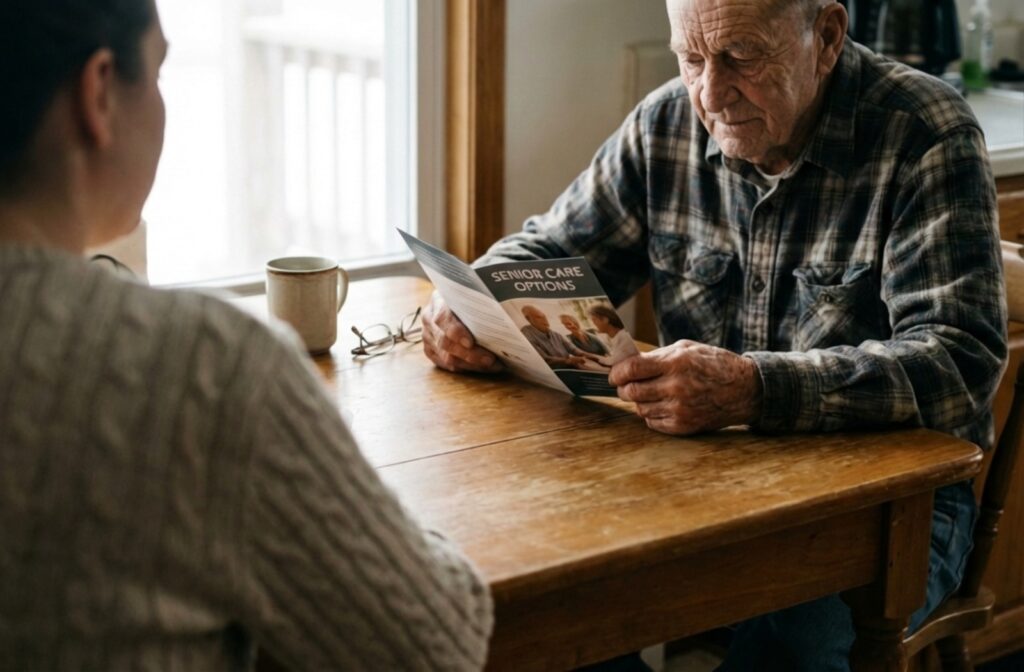
  • Begin conversations about future care before a health event occurs to reduce stress and make decisions together.
  • Discuss topics in a calm setting, focusing on your parent’s wishes for their home life, daily activities, and health.
  • Explore their preferences for future housing, from staying at home with support to moving to a senior living community.
  • Create a compassionate plan that respects their independence while providing the support they may need later.

Why These Conversations Are So Important

Thinking about a parent’s future needs can feel overwhelming. You want to honor their wishes and independence while also being prepared for what lies ahead. The team at Bethany Village finds that starting these conversations early, long before a health change requires immediate action, removes pressure from the situation. Thoughtful discussions about retirement plans, like senior living vs. aging in place, allow for thoughtful planning.

The most supportive approach is to have open, honest, and ongoing discussions that empower your parent to share their hopes for the future. This turns a potentially difficult topic into a collaborative process, giving everyone a voice and a shared understanding of the path forward.

Discuss Their Living Situation and Home Life

A great place to start is by asking about their current home. Do they feel happy and comfortable there? Talking about their living situation opens the door to discuss future possibilities in a practical and non-threatening way.

Future Housing Preferences

Ask what their ideal living situation looks like down the road. Many older adults wish to remain in their own homes, and you can discuss what support might make that possible. Others may be open to a change that offers more convenience and social connection.

You can explore different options together, such as moving to a maintenance-free apartment or cottage. Researching various senior living communities can show them the appealing lifestyle and friendship opportunities available, especially in independent living settings.

Home Safety and Comfort

If your parent wants to stay in their current home, talk about ways to make it safer and more comfortable. Simple aging-in-place home modifications can make a significant difference in their daily life. You can work together to identify areas that may become challenging over time.

Walk through the home and consider adding grab bars in the bathroom, improving lighting in hallways, or securing rugs to prevent falls and fractures. For a two-story home, you might discuss the possibility of moving their bedroom to the first floor to avoid stairs.

Ask About Daily Activities and Social Well-Being

A person’s daily routine is a large part of their quality of life. Ask your parent if there are any chores, errands, or activities that are becoming more difficult. They may welcome help with things like grocery shopping, housekeeping, or yard work.

Social engagement is also important for well-being, as social isolation can pose health risks. Does your parent have regular opportunities to see friends and participate in hobbies they enjoy? If they seem isolated, you can discuss ways to reconnect with their community. Options from respite care to assisted living can provide both practical help and a vibrant social environment.

Address Health and Wellness Questions

Health is a natural part of planning for the future. You can approach this topic with care by asking how they are feeling and what support would be helpful for them. Frame the conversation around maintaining their health and independence for as long as possible.

Current Health Management

Talk about their general health and how they manage it. Do they feel they have good communication with their doctor? You can offer to help them keep track of appointments or organize medications to make their routine simpler.

For more complex health needs, it can be comforting to know that professional support is available. Some situations may benefit from skilled nursing care or short-term rehab after a hospital stay, providing focused attention to help them recover.

Mobility and Transportation

Getting around safely is key to staying independent. If you have noticed any changes in your parent’s mobility, gently bring it up. Ask if they have any concerns about driving or if they would be open to other transportation options for appointments and errands.

Introducing simple mobility aids can also be part of the conversation. A cane or walker can provide extra stability and support when moving around. The goal is to present these tools as ways to help them continue to do the things they love.

Plan for Their Future with Compassion

These conversations are not about making decisions for your parents—they are about making decisions with them. By listening to their wishes, you can help create a flexible plan that adapts as their needs change. This thoughtful preparation can bring peace of mind to your entire family.

Knowing their preferences for everything from daily assistance to potential memory care helps you honor their legacy with dignity and respect. For families in the Dayton area, Bethany Village offers a continuum of lifestyle options designed to support older adults through every chapter.

Take the next step with confidence—start the conversation today and explore what’s possible together. When you’re ready, connect with the team at Bethany Village to learn how each stage of care can support your family’s journey.

Senior communities are among the most popular choice for older adults who want to continue to live independently. They provide living for seniors with health, wellness, and highly personalized care.

Aging in place is not always an option for many seniors. With age comes many challenges, including health concerns and disability.

Aging well or successful aging is not just about longevity and living without disease and disability but also implies health, physical functionality, and psychological well-being.

Importance of Health & Wellness

Did you know that well-being and health are closely related? Research suggests that well-being may be a protective factor in health. It can reduce the risk of chronic illnesses and promote longevity.

Wellness is a holistic approach to encouraging a more purposeful, engaged, and enhanced lifestyle. We discuss 10 ways in which senior communities promote health and wellness.

1: Senior Community Facilities

Amenities in senior communities are there for residents to build relationships, socialize, and keep them thriving. Examples of amenities may include a movie theatre, library, salon and barber services, and space for gatherings, special events, ceremonies, and festivals.

2: Social Activities

Senior communities provide residents with opportunities for socializing that foster a healthy lifestyle. Social activities stimulate the mind and encourage friendships with other seniors where they can participate a lot or as little as they prefer.

Social activities may include off-campus events, shopping trips, game nights, or live concerts. Activities and programs in senior communities cater to the interests of residents. In this way, seniors build new relationships, discover new interests and hobbies, and reduce the risk of social isolation.

3: Exercise Programs

Seniors receive the benefits of physical activity while living in a senior community. Physical activity reduces the risk of health issues, falls, and improves mental health. Exercise reduces the risk of developing:

  • Cardiovascular disease
  • Hypertension or high blood pressure
  • Type 2 diabetes
  • Osteoporosis
  • Obesity
  • Arthritis
A group of seniors stretching

Senior communities encourage exercise to stay in shape and reach your fitness goals. Several exercise classes and programs to increase strength, balance, flexibility, and breathing can include:

  • Boxing
  • Chair-based exercises and yoga
  • Circuit training
  • Yoga
  • Weight training

4: Nutrition

Older adults in senior communities enjoy socializing over a meal or snack with other residents. Sharing meals with friends can bring residents together and encourage healthy eating habits.

Aging in place with poor meal preparation, lack of transport and malnutrition are some challenges seniors face. In senior communities, specially prepared meals offer a well-balanced diet with diverse options and can accommodate restrictions.

5: Safe & Supportive Environment

Senior communities support residents with top-of-the-line care as seniors journey through life and as their needs change. They also provide a safe place by doing all the chores, home maintenance, and yard upkeep.

Senior communities offer safety and security with supportive staff. They can sleep easy in a senior community by knowing they are safe and have 24-hour care if needed.

Supportive environments influence healthy aging. Senior communities can provide a supportive environment with welcoming spaces, accessibility, transport services, and a place where residents can walk around.

6: Learning Opportunities

Senior communities also incorporate opportunities for seniors to learn new things. These include joining clubs and attending lectures by professors and experts on various topics. Learning keeps seniors engaged and improves memory, mood, and quality of life.

7: Spiritual Wellness

Senior communities that recognize a holistic approach to health and wellness also support the spiritual needs of seniors. General spirituality can include faith-based programs, volunteering opportunities, and caring staff who help residents experience dignity and wholeness in their relationship with God, family, and community.

A faith-based approach aims to include everyone from all walks of life to live together in an inclusive, welcoming community of people.

8: Purpose

Purpose in life is having goals, meaning, and a sense of direction. A higher purpose is associated with better health, fewer chronic diseases, and less pain and disability. In addition, people with a higher purpose in life are more physically active and engaged.

Senior communities recognize and value the inherent worth of each individual and help seniors experience dignity and achievable their best level of physical, mental, emotional, spiritual, and vocational ability.

9: Rehabilitation

For seniors who experience falls, injuries, surgery, or illness, senior communities support their recovery by providing rehabilitation services such as physical, occupational, and speech therapies. Senior communities also coordinate efforts with physicians and help with medication management and integration into other care and living options.

10: Living Options

Stress can come from many things, such as the death of a loved one, divorce, anxiety, fear, and change. Stress can lead to or aggravate health conditions.

Senior communities offer different living options to suit individual needs as seniors age so they can live stress-free. Living options include:

  • Independent living
  • Assisted living
  • Memory support
  • Respite care

10 Reasons To Choose a Senior Community

Senior communities foster socializing in people who may be alone or unable to take care of themselves in other settings, leading to a happier lifestyle overall.

Bethany Lutheran Village offers seniors a range of facilities and social activities to create a more stimulating and enjoyable living environment and promote health and wellness. Schedule a visit to learn more about our community.

Moving into a smaller home isn’t as big of a sacrifice as you might think. Sure, you’re giving up square footage, but you’ll be saving big in other areas. Seven to eight hundred square feet may sound small, but it’s actually the ideal amount of space for seniors who are looking to downsize. According to an estimate provided by The Engineering ToolBox, each person needs an average of 300-400 square feet of personal space within a home to feel comfortable.

Downsizing to a smaller home is a practical, cost-efficient option, especially for seniors. Living in smaller square footage means cutting back on the maintenance that goes into caring for a larger home. Less upkeep means more time and funds for things that bring joy like travel or volunteering.

Downsizing to a Senior Living Community

A 700-800-square-foot living space is bigger than you might think. A home this size often features two bedrooms, one bath, a kitchen, and living space. So there’s still enough room to host a dinner or invite overnight guests. What other seniors have shared about the advantages of smaller living space:

  • Smaller homes and living arrangements are easier and less expensive to maintain
  • You spend less time cleaning and decluttering
  • Furnishing and decorating are easier
  • Smaller homes reduce the temptation to accumulate
  • Frees up time to do more things you like

Maximizing every inch of space, creating sensible walkway helps to create an open feeling in a smaller space. Decluttering is key—prioritize the things you can’t live without then get rid of or donate the rest. Adding smart storage solutions will also maximizes space, like stackable laundry machines and multi-use furniture. Extending living areas with outdoor seating and dining space on a backyard patio or balcony can also help your home feel bigger. Smaller can feel comfortable if you make smart choices.

Furniture Suggestions in a Senior Living Community

Bethany Village offers independent living cottages, villas, and apartments, as well as assisted living apartments. Our senior living homes vary in square footage, from large to small. View all of the floor plans in our community on our website!

Here’s what we suggest to bring for furniture if you plan to downsize.

Sofas

Regular size three-seat sofas typically measure about 35 inches deep by 84 inches wide, while smaller space sofas usually measure somewhere between 68 and 80 inches wide, with a few inches shaved off to save space in depth. Look for space saving sofas that feature three cushions.

Sectional Sofas

Regular sectional sofas vary in size, with five-seat sectionals around 95 inches wide and 40 inches deep. A space saving sectional sofa, however, could be as small as 80 inches wide by 35 inches deep.

Loveseats

Loveseats and chaise lounges are good options for smaller spaces, measuring somewhere around 60 inches wide by 35 inches deep. If you’d like an apartment size loveseat to complement your apartment size sofa, look for one that measures around 53 inches wide by 35 inches deep.

Accent Chairs

Accent and armchairs measures 35 inches wide by 35 inches deep. You can go as small as you’d like on accent chairs, with comfortable styles measuring as little as 25 inches wide.

Coffee Tables

Consider coffee table sizing to ensure good balance and proportion. A typical coffee table measures about 30 inches wide, while space saving varieties may be as small as 24 inches wide and offer additional storage options.

Efficient Living at Bethany Village

Being selective in the pieces you decide to bring into a smaller home means having familiar or cherished pieces, but done with a purpose. A smaller living space can feel like home and be a space you can create and decorate for your future. Our design specialists can help you decide on the options that best suit your tastes and your new home.

Contact our team at Bethany Village today.

Moving is a significant, life-changing event at any stage of life. For seniors relocating from their home into an assisted living community, the transition can be especially difficult. It’s not uncommon for seniors (and their families) to experience stress about downsizing, anxiety about leaving behind familiar surroundings and losing connections with friends, and uncertainty about life in a brand new community.

Are you wondering what you can do to make the move to assisted living as smooth as possible? Keep these five tips in mind:

#1: Give assisted living a trial run

The fear of the unknown can make the idea of moving to assisted living overwhelming for seniors and their families alike. To help everyone feel more comfortable and confident about the decision, consider arranging a temporary respite care stay in an assisted living community.

Respite care allows seniors and their families to “test the waters” and find out if a community is a good fit before making a permanent move. During their respite care stay, your loved one will meet other residents and experience all the amenities, activities, services, and support the assisted living community has to offer. Meanwhile, you and your family will get to know the community’s staff and understand what to expect when your loved one becomes a resident. In this way, respite care can be a valuable step in the process of moving to an assisted living community!

#2: Start the downsizing process early

After finding the right assisted living community for your loved one, it’s important to start the downsizing process as early as possible. Downsizing a house full of memories can be difficult physically and emotionally for everyone involved. It may take longer than you think to sort through your loved one’s belongings and help them decide what to keep, pass down to family members, or donate. A good place to start is by understanding the square footage of your loved one’s new assisted living apartment, which will help as you plan for furniture size and storage needs.

When time is of the essence, working with a professional organizer or senior move manager can help make downsizing a smoother, more seamless transition. At Bethany Village, our Transitions Coordinators are here to connect families with trusted local resources to help with every step of the moving process.

#3: Make their new space familiar and inviting

Adjusting to a new living space takes time, but including a few familiar pieces will go a long way in easing your loved one’s transition to assisted living. For example, even if your loved one needs new furniture to fit their assisted living suite, you could select familiar colors and arrange the room similarly to their previous home. Another tip is to display favorite family photos, artwork, decorative items, and mementos prominently. Paying attention to the little details can make a new, unfamiliar space feel more like home.

#4: Encourage them to get involved

As soon as your loved one becomes a resident, they’ll have endless opportunities to get involved in life enrichment activities and fun social events. Before move-in day, review the community’s calendar with your loved one and encourage them to choose one or two activities to try. Participating in community events is a great way to meet other residents who share common interests and passions.

At Bethany Village, we have dedicated social workers assigned to each family and resident to make the transition process even easier. We encourage families to meet with their social worker in advance to let them know of their loved one’s favorite hobbies and interests. This way, your loved one will have another familiar face in the community encouraging them to venture out. Before long, your loved one will be making new friends and finding new things to look forward to each week!

#5: Keep in touch

Before your loved one’s move, it’s a good idea to coordinate a schedule for family members to visit or call. Setting aside some time to check-in will help your loved one feel loved and appreciated as they get used to their new home. Once your loved one is settled in and getting involved in regular community activities, you may need to set up a new visiting schedule to fit their routine.

Be patient and stay positive!

Helping an aging loved one move to assisted living is a big life change that will come with its share of highs and lows. Don’t worry if everything doesn’t go as smoothly as you expected, especially in the first few weeks. It will get easier! Be patient, stay positive, and remember that you’re making the best decision for your loved one.

Start the senior living search

If you know your loved one needs more daily assistance, but you’re not quite sure where to start, Bethany Village has a useful tool to help families evaluate what living options might be a good fit. Use this quick 4-5 minute survey to weigh your options.

To arrange a respite care stay at Bethany Village or schedule a tour of our beautiful community, please contact us today. We’d love to hear from you and answer any questions you may have!

Feeling “young at heart” is more than just a saying. It’s a powerful mindset that can actually impact our health and wellbeing as we get older. Studies have found that seniors who feel younger than their actual age may even live longer compared with those who feel their age! By adopting healthy habits and an optimistic outlook toward the future, anyone can feel younger than their years and benefit from the power of positive aging.

What is positive aging?

Positive aging, also known as “healthy aging,” is the view that aging is a healthy, normal part of life. With the right supports, seniors can continue enjoying the activities and aspects of life that are most important to them as they grow older. Senior living communities that embrace the concept of positive aging, like Bethany Village, take a holistic approach to senior care by taking residents’ physical, mental, social, spiritual, and emotional health and wellbeing all into account rather than measuring physical health alone. In this way, senior living communities help residents not only age well, but live happier and more fulfilling lives.

What can you do to maintain a positive outlook on life and experience the power of positive aging? Here are a few important steps to take:

#1: Keep moving

Exercise is one of the best things you can do for your health — at any age. Regular physical activity is a proven way to reduce stress, maintain strength and balance, and enhance and protect brain function. Best of all, living in a senior living community makes it easy and convenient for seniors to focus on their fitness goals.

For example, Bethany Village features a state-of-the-art fitness center with free weights, treadmills, recumbent bikes and steppers, and other low-impact, easy-to-use equipment with senior fitness experts nearby to provide help when needed. Residents may also choose to participate in an array of fun, engaging group fitness classes for every level of ability. For residents who enjoy walking for exercise, Bethany Village features beautiful outdoor trails and indoor pathways that unite the entire community.

#2: Do what brings you joy

Another way to feel young at heart as you grow older is to pursue your passions and the activities that you love. One of the biggest benefits of moving into an easier-to-maintain residence in a senior living community is having more freedom to expand on your current hobbies or even take up a new one if you choose. Because residents no longer need to worry about household chores and repairs, yard work, and cooking every meal, they can spend their time on things that give them a sense of purpose and joy. From volunteering to traveling, exploring artistic abilities, joining clubs, and learning new skills, the possibilities are endless!

#3: Stay socially engaged

Living in a vibrant social environment is another secret to positive aging. Where we live can impact our wellbeing — for better or worse. For example, seniors who are socially isolated may experience poorer physical, mental, and emotional health outcomes than those who enjoy a strong support network with daily opportunities for socialization.

The desire to be actively involved in a community with people of the same age is a compelling reason for many seniors to move from a longtime home into senior living. Being surrounded by friendly neighbors and making friends who share similar interests through social activities and on-campus events can significantly improve a senior’s outlook and quality of life as they grow older.

Feel Young at Heart, No Matter Your Age!

It’s never too late to try new things, form new friendships, and feel young at heart. After all, age is just a number!

At Bethany Village, we witness the benefits of promoting positive aging every day. By providing faithful caring and safe, comfortable accommodations for every lifestyle, Bethany Village makes it possible for residents to pursue their passions, maintain close relationships, and celebrate the everyday joys that make life meaningful.

Experience the Power of Positive Aging at Bethany Village

Bethany Village promotes positive aging at every stage by offering the complete spectrum of senior care on one campus, including independent living, assisted living, memory care, skilled nursing care, and an on-campus rehabilitation center. To request more information and schedule a private tour of our senior living community, please contact us today!

There’s a widespread belief that seniors are reluctant to try new forms of technology. This isn’t necessarily true! Many older adults are willing to adopt new tech gadgets, especially if they offer them value and are designed with their needs in mind.

As the pandemic continues to shift many aspects of life online, older adults are becoming even more tech-savvy. According to an AARP tech survey, adults over 50 are adopting new technologies such as smartphones, wearable devices, and smart home technology at about the same pace as 18-49-year-olds. This has led to a greater demand for “silver tech,” or technology made specifically for seniors.

Today, let’s take a look at some of the ways emerging technology can help older adults live more active, independent, and healthier lives:

Connecting with friends and family

One of the top reasons seniors have embraced technology is to keep in touch with friends and family, no matter where they live. Especially during the pandemic, video calling is an important part of daily life for all of us!

For older adults who are less familiar with using smartphones, tablets, and computers, voice-controlled smart home assistants provide an easy and accessible way to communicate with long-distant loved ones. These devices can also be used for telehealth appointments at times when an in-person doctor visit isn’t feasible. Some devices even offer the ability for loved ones to check on senior loved ones from afar using “drop-in” video calling.

Staying entertained

Today’s handheld digital devices offer endless entertainment to help us beat boredom. From games and puzzles to music, movies, and ebooks—there’s something for everyone! For entertainment purposes, tablets are among the most popular devices because they’re lightweight and highly portable. Some tablets even have senior-friendly features to make them easier to use, such as large text and icons, sound adjustability, magnification tools, and bigger buttons.

Monitoring health and fitness activity

These days, there are many fun, easy-to-use gadgets available to help people of all ages stay physically active. For example, wearable devices like smartwatches can help you set fitness goals and keep track of your heart rate, daily steps, and overall fitness level. There are also a variety of apps that offer exercise classes on-demand, making fitness fun and motivating. One popular virtual fitness activity at Bethany Village is Wii bowling. Our residents even competed in friendly tournaments with retirement communities across the country!

Maintaining independence, safety, and security

Technology can also help enhance safety and security, which is especially important for older adults living alone. Integrating home security monitoring systems such as doorbell cameras and movement sensors provide a greater sense of security for seniors, as well as reassurance for their families. In addition, personal alert devices are more accurate and discrete than ever before. In the event of a fall or emergency, older adults can call for help with the press of a button on a small pendant or wristband. Some devices can even automatically call for assistance if a fall is detected.

If you’re concerned about an older loved one living alone, a retirement community can provide the ultimate peace of mind. Keeping residents safe and secure is always the top priority at Bethany Village. We utilize advanced technologies, including emergency call and response systems and 24/7 campus security monitoring to ensure our residents stay safe and enjoy an independent lifestyle.

As you can see, the benefits of technology for seniors are far-reaching! Best of all, new devices and gadgets are coming out all the time to help people live safer, healthier, and more independent lives. It’s well worth exploring some of these ideas to see what works for your family!

According to the National Council on Aging, falls are the most dangerous health and safety risk older adults face today. Falls are the number one cause of fatal and non-fatal injuries among Americans over the age of 65, and of those who fall, two-thirds will fall again within six months.

Even older adults who are relatively strong and healthy are at risk for falls and fall-related injuries. Falling—and the fear of falling—can cause older adults to miss out on activities and social interactions, which negatively impacts their quality of life.

Thankfully, falling is not an inevitable part of the aging process. There are many ways to prevent falls, including choosing the right footwear. Shoes that are ill-fitting, uncomfortable, or have a slippery sole can cause seniors to trip or stumble. However, wearing the right shoes can help seniors maintain their balance, improve their gait, and ultimately reduce their risk of experiencing a dangerous fall.

Here’s what to look for when choosing safe footwear for an older loved one:

Fit and comfort

As we grow older, it’s natural for our feet to change shape. Older adults often have a lowered arch, but wider insteps and ankles. For this reason, shoes that fit comfortably a few years ago may no longer be right for your loved one. Ill-fitting shoes may cause pain in the toes, arch, or heel, and cause your loved one to walk with an irregular gait.

Because our feet naturally expand throughout the day, it’s a good idea to go shoe shopping in the afternoon hours to ensure the best fit. Have your loved one walk around the store in the shoes before purchasing them. Are the shoes sturdy and supportive? Do they stay on your loved one’s feet, or do they slip off? Are they too tight? Take your time when selecting a pair of shoes to be certain they fit correctly and don’t cause any pain or discomfort.

Non-slip soles

Look for shoes that have a non-slip sole to prevent the risk of falling. Typically, non-slip shoes have a softer rubber sole that grabs onto the surface of the floor, making it safer to walk on floors that might be wet or slippery. When the tread on the bottom of the shoes is worn out, it’s time to replace them.

Lightweight

Shoes made from lightweight material are optimal for older adults, who may have trouble lifting their feet off the ground. Because some seniors shuffle their feet when they walk, heavy shoes can increase their risk of falling. Look for shoes that are designed to be sturdy yet lightweight. For example, running shoes are leading the way in lightweight footwear technology. Even if your loved one doesn’t plan on running anytime soon, running shoes can be a comfortable choice for everyday walking.

Flat or low heel

It’s best to choose shoes with heels that are less than one inch tall for maximum safety and stability. For special occasions, wear shoes with a low, broad heel. Shoes with tall and narrow heels may contribute to poor balance and gait, which only increases the risk of a fall or injury.

No laces

Untied shoelaces can pose a tripping hazard, especially for older adults with balance problems. Likewise, if your loved one has trouble bending over or arthritis that makes tying laces difficult, choosing footwear with velcro straps instead of laces is a good solution. Elastic slip-on shoes are another safe option—just be sure they have a snug fit.

You can help prevent falls

Falls are dangerous, but fortunately, most are also preventable. Today’s senior living communities, including Bethany Village, recognize the importance of taking a proactive approach to reducing falls among residents. At Bethany Village, we’re proud to offer evidence-based fall prevention programs designed to help residents reduce their fall risk and overcome fears of falling.

If you’re worried about the risk of an older loved one falling at home, it may be time to consider moving to a senior living community that’s focused on fall prevention and safety. To learn more about Living at Bethany Village, please contact us today.

Sweet summertime is here, bringing with it plenty of sunshine and warm weather. Summer is a perfect time to enjoy fruits and vegetables because so many varieties are at their peak of freshness and quality. But did you know that these popular summer fruits and veggies can also offer some surprising health benefits for seniors? Here’s a look at five summer produce items that are both delicious and nutritious:

Watermelon

There’s nothing better than a slice of cold watermelon on a warm summer day. For older adults, this can be a particularly healthy fruit. Not only is it low in calories, but it also has an incredibly high water content–each bite is about 92% water! Older adults face a higher risk for dehydration, and this risk only increases in the hot summer months. Snacking on watermelon is a tasty and refreshing way for older adults to stay hydrated and healthy.

Tomatoes

Technically a fruit, tomatoes offer a number of health benefits to older adults. They are known to help protect against disease, maintain healthy blood pressure, and reduce blood glucose in people with diabetes. Tomatoes get their red color from lycopene, a plant compound that can help prevent certain types of cancer. Add tomatoes to salads, sandwiches, and soups, or drink tomato juice to reap these health benefits.

Berries

Summer is prime time for strawberries, blueberries, blackberries, and raspberries. These colorful summer berries are chock full of antioxidants and vitamins that help our bodies fight against illness and disease. Blueberries, in particular, have been shown to promote healthy aging. In one study, older adults ages 65-77 who drank concentrated blueberry juice every day showed improvements in cognitive performance and blood flow to the brain. Try adding berries to salads, smoothies, yogurt, or top them with whipped cream for a light summer dessert!

Green beans

In season from June through September, green beans are rich in flavor and nutrients. They are high in fiber, vitamin C, and vitamin K. They also contain folate, a vitamin that helps to fight depression. Green beans are versatile; they taste great when sauteed, tossed in a salad or soup, or baked into a casserole.

Cherries

Cherries pack some serious health benefits into a small package! They come in a variety of flavors and colors that range from yellow to dark red. Along with vitamin C and fiber, cherries – especially tart cherries – contain melatonin, which is known to provide sleep-regulating benefits. Drinking a cup of cherry juice before bed is considered a healthy and natural way to promote better sleep.

Healthy eating for healthy aging

It’s recommended that older adults eat five to seven servings of fruits and vegetables every day, but more often than not, older adults don’t reach this goal. Research suggests that adults tend to eat less fresh produce as they grow older, in part due to decreased appetite or problems with chewing or swallowing.

Retirement communities like Bethany Village know the importance of senior nutrition for overall health and wellness. That’s why our community offers residents delicious, chef-prepared meals that incorporate fresh, seasonal fruits and vegetables prepared in creative and delicious ways. Plus, with several different dining venues, the dining experience at Bethany Village was designed to foster a sense of community and friendship among residents.

Want to learn more about the dining experience at Bethany Village? Schedule a visit and stay for a meal in our community. We would be delighted to have you and your loved one join us for lunch or dinner.