
Key Takeaways

  • Start with simple and useful devices, like a smartphone or tablet, that have clear benefits for daily life.
  • Customize the device settings for your parent’s comfort by increasing text size and adjusting the volume.
  • Focus on teaching one application at a time, such as video calls or a social media platform, to avoid overwhelm.
  • Introduce online safety basics, including how to create strong passwords and recognize potential scams.

Support Your Parent’s Connection to Technology

You want your parents to feel connected to family and friends, and Bethany Village recognizes that technology can be a wonderful bridge. When used thoughtfully, digital tools can help your loved one strengthen social connections. Still, introducing a new smartphone or tablet can feel like a challenge for both of you.

Patience and a thoughtful approach can make all the difference. You can help your parents embrace technology by starting with simple devices, customizing settings for their comfort, and patiently teaching them new skills one step at a time. This process can open up a new world of connection for them.

The Social Benefits of Technology for Older Adults

For many older adults, technology is much more than a gadget—it’s a link to the people they love. Video calls are one of many meaningful ways to bond with grandchildren, while social media can keep them in the loop on everyday family news.

Regular digital interactions can help reduce feelings of loneliness and isolation. Seeing a friendly face or a new family photo can brighten their day and strengthen social bonds. It empowers them to engage with their community from the comfort of home.

Start With Simple and Useful Devices

Customize a Smartphone for Their Needs

A standard smartphone can feel overwhelming right out of the box. Along with other helpful tech gadgets for older adults, a smartphone is most useful when it is customized. Before you hand it over, take a few minutes to adjust the settings. This simple step can turn a frustrating experience into a positive one.

You can make the device much more user-friendly for your loved one. Consider these adjustments:

  • Increase the text size for better readability.
  • Adjust the volume for ringtones and notifications.
  • Set up voice commands for hands-free calling and texting.
  • Remove unnecessary apps from the home screen to reduce clutter.

Choose a Protective Case

A good case does more than protect a phone from accidental drops. Many cases add texture and bulk, which can make a slim, slippery phone easier to hold. Choosing a brightly colored case can also make the device easier to find around the house.

Explore Social Media to Connect With Family

Social media can be a digital scrapbook where your family shares photos, videos, and life updates. When you introduce your parent to a platform, focus on these personal benefits. Show them how they can see the latest pictures from a recent vacation or a grandchild’s school event.

Create a simple, one-page guide with written instructions and review some basic social media tips for the functions they’ll use most. Most importantly, be patient and available to answer their questions. What seems intuitive to you might be a brand-new concept to them.

How You Can Promote Online Safety

Teach Good Password Habits

Online safety begins with a strong password. Explain that a good password is like a complex lock on a door. Encourage them to create unique passwords for different accounts by mixing uppercase and lowercase letters, numbers, and symbols.

Discuss Social Media Etiquette

Talk with your parents about what information is appropriate to share online. Remind them to think before they post and to avoid sharing personal details publicly. This includes their home address, phone number, or specific travel plans.

Identify Potential Online Scams

Empower your loved one to recognize online threats and potential scams. Teach them a few simple rules to stay safe, such as never clicking on links in unsolicited emails and being cautious of messages that create a sense of urgency. Show them how to spot a suspicious email address so they can delete it without engaging.

Next Steps to Support Your Loved One

As you guide your parent, always focus on the positive ways technology helps them stay in touch. Celebrate small victories, and consider asking other tech-savvy family members to help. For families exploring new lifestyle options, many senior living communities offer activities that encourage residents to learn new skills.

Whether a loved one is considering independent living or needs the support of assisted living, a connected life is important. For families in the Dayton area, Bethany Village offers a welcoming environment where residents can build friendships and explore their interests. A supportive community can help your loved one thrive.


Key Takeaways

  • AI phone scams use a familiar voice to create a fake emergency and ask for money.
  • Warning signs include pressure to act quickly and secretly, along with unusual requests for payment like gift cards.
  • Create a family “safe word” that only you and your loved ones know to verify a caller’s identity.
  • If you receive a suspicious call, hang up and call your loved one back on a number you know is theirs.

How AI Voice Scams Are Targeting Families and How to Stay Safe

New technology has made it easier than ever for scammers to sound convincing. While many tech gadgets for older adults are designed to help, some advancements can be used for harm. They can now use artificial intelligence to mimic the voice of a loved one, creating a distressing and confusing situation over the phone.

Protecting your loved ones involves creating a family plan, knowing the warning signs, and verifying any urgent requests for money. Awareness and simple preparations are your most effective tools against these scams.

Understanding the New Wave of Phone Scams

Scams that use artificial intelligence can mimic the voice of a family member in distress. These calls often create a false sense of emergency to trick people into acting without thinking. Knowing about these tactics helps everyone, whether they enjoy independent living or receive daily support through assisted living.

Understanding what makes these calls different can help you and your family feel more prepared. Here’s what to keep in mind:

  • These scams use a trusted voice to build immediate credibility, unlike older scams that used a stranger’s voice.
  • Simple awareness that this technology exists is a powerful defense against being caught off guard. As technology evolves, it is important for everyone to stay vigilant against potential threats.
  • Staying calm and thinking clearly are important if an urgent and emotional call comes in.

Common Warning Signs of an AI Scam Call

Recognizing the signs of a fraudulent call is the first step toward safety. Here are a few things to listen for when you or a loved one receives an unexpected, alarming phone call.

An Urgent and Unexpected Request for Money

Scammers often create a story about a car accident, a legal problem, or a medical issue. They will almost always ask for money to be sent quickly. The payment methods they request—like wire transfers or gift cards—are often difficult to trace. Learning to recognize the common patterns in these scams can prevent significant financial loss.

A Familiar Voice in an Unfamiliar Situation

The voice on the phone may sound just like your loved one, but the story they tell might seem confusing. The call quality may also be poor. This is sometimes done on purpose to hide imperfections in the AI-generated voice.

Pressure to Act Immediately and in Secret

A scammer will insist that you act now and tell you not to speak with anyone else. This tactic is used to prevent you from taking a moment to verify the story. They want to create panic so you don’t have time to think logically.

Simple and Proactive Ways to Stay Safe

Having a plan in place can make all the difference when a suspicious call arrives. These simple steps can help you and your family members avoid falling for a scam. These conversations are helpful for any older adult in your life, as open discussion is an important part of planning for a parent’s future well-being.

  1. Create a family safe word. Choose a unique word or phrase that only your family knows. Agree to ask for it if you ever receive a suspicious call asking for help.
  2. Discuss these scams openly. Talk with your loved ones about AI voice scams. Knowing these tactics exist makes it much easier to recognize them if a call happens.
  3. Call them back on a known number. Encourage the habit of hanging up and immediately calling back on a trusted number to confirm the story.

What to Do During and After a Suspicious Call

If you or a loved one receives a call that feels off, here are the steps to take. It’s always okay to end a call that makes you uncomfortable. You do not need to be polite to a potential scammer.

  • Do not share information. Avoid giving out personal details like addresses, bank account numbers, or passwords over the phone.
  • Hang up the phone. If you feel pressured or unsure, the best action is to end the conversation right away.
  • Verify the story independently. After hanging up, contact your loved one directly using a phone number you know is theirs.
  • Report the attempt. Report the fraudulent call to the Federal Trade Commission (FTC) to help protect others in your community.

Fostering a Safe and Supportive Environment

Ongoing communication is a powerful tool against fraud. By talking about these topics openly, you build a strong foundation of awareness and trust with your loved ones. This vigilance helps create a secure atmosphere within any senior living community.

Keeping family members informed supports their well-being and peace of mind. This is an important part of caring for individuals who may need memory care, skilled nursing, or even short-term rehab. These conversations strengthen your family’s ability to navigate challenges together.

At Bethany Village, we believe in supporting the whole family with compassion and care. If you have questions about our community, contact us to learn more or schedule a tour of our Dayton campus.

Music therapy programs are a vibrant part of life in various settings, where a board-certified music therapist guides residents through music experiences to support their health and quality of life. This can be especially meaningful in communities offering assisted living or specialized memory care. It is a recognized profession with its own practice standards, and we are proud to celebrate the professionals in this field.

Key Takeaways

  • Music therapy is a planned therapeutic process that uses music experiences such as singing, instrument play, improvisation, songwriting, movement and receptive listening to address physical, cognitive, and emotional needs through assessment, treatment and evaluation.
  • Listening to or creating music to express oneself can help reduce stress and calm feelings of anxiety in older adults.
  • It can also help with communication and cognitive function, particularly for individuals in memory care, to make choices – giving them a sense of purpose.
  • Group music therapy sessions encourage social connection and physical movement, which contribute to overall well-being.

Discovering the Power of Music

We all know the feeling of a favorite song lifting our spirits or bringing back a cherished memory. During Music Therapy Month, we recognize how music can be used in a structured way to support older adults. This approach supports well-being and addresses challenges related to aging.

What Does Music Therapy Involve?

Music therapy is more than just listening to the radio or singing along to familiar tunes. It uses specific music experiences led by a licensed professional to help individuals achieve certain therapeutic goals. This approach is tailored to meet each person’s individual needs and preferences.

A music therapist might use singing or lead a progressive muscle relaxation to help someone relax and manage stress. They could also use different rhythms as well as pitch and vocal techniques to help a person with speech difficulties communicate. The focus is always on using music to improve a person’s quality of life.

How Music Supports Mental and Emotional Health

Reduces Feelings of Stress

Some older adults experience significant stress and tension. Listening to calming music can help slow a fast heart rate. It can also help lower levels of stress hormones in the body.

Additionally, in a music therapy program, a music therapist might select resident-preferred songs with gentle rhythms or soundscapes. The lyrics and themes can also be chosen to help people feel more relaxed and verbally process experiences. This can create a peaceful and soothing atmosphere.

Improves Cognitive Skills

Music therapy is often part of a comprehensive care plan for individuals requiring memory care. It may help retain speech skills. Sometimes, music can even encourage a nonverbal person to hum or sing along.

Research has shown that music stimulates the brain by activating multiple areas in both hemispheres, including those responsible for emotions, memory, and motor function, which can lead to increased cognitive function, emotional responses, and even physical health benefits  such as supporting blood flow.. The experience is both engaging and beneficial for residents.

How Music Encourages Physical and Social Activity

Inspires Movement

Upbeat music can motivate older adults to engage in physical activity. This might mean dancing, clapping their hands, or just tapping their toes to the beat. Structured movement and utilizing handheld instruments are positive forms of utilizing gross and fine motor physical activity. Instruments such as drums, tambourines and shakers provide opportunities for participants to make their own music and express themselves as well as feeling grounded and vibrotactile stimulation.  It is a fun and interactive way to stay mobile.

Increases Social Connections

Music has a natural way of bringing people together. During group music therapy, older adults can connect over a shared interest in music or life experiences. This experience often leads to new and lasting friendships.

The social side of music therapy helps reduce feelings of loneliness or isolation. It provides a sense of community and belonging. This is a crucial aspect of well-being in any senior living environment.

Music Therapy Across Different Levels of Care

Music therapy is adaptable and offers support in many different living situations. For individuals in independent living or assisted living, it can be a great way to stay social and engaged. It can also serve as a comforting presence for those who need more support.

In communities offering short-term rehab or skilled nursing, music can help people manage discomfort and identify coping skills. It can also motivate them during other forms of therapy. For those who require compassionate support, music can offer a profound sense of calm and normalization for residents and their loved ones.

Learn More About Supportive Programs at Bethany Village

Enriching programs, such as music therapy, can have a profound impact on the mental, physical, and emotional well-being of older adults. Finding a community that offers a variety of engaging activities is a high priority for many families. At Bethany Village, we offer these programs to foster a vibrant and supportive atmosphere that enables individuals to thrive.

If you are exploring care options for a loved one, we invite you to see our community for yourself. Learning about the day-to-day life and activities available can help you in your search. We are happy to answer your questions and share what makes life here so fulfilling.

Contact us today to schedule a personal tour and learn more about our supportive lifestyle options.


Assisted living offers a balance of independence and support for individuals who need assistance with daily tasks but do not require full-time medical care. While each assisted living community has specific eligibility criteria, factors like age, health conditions, mobility, and cognitive ability are key in determining if someone qualifies.

Whether you or a loved one are considering this option, understanding the benefits, requirements, and assessment process can help you make an informed decision.

Defining Assisted Living & Key Benefits

Assisted living communities provide a secure and supportive environment where residents can maintain their independence while receiving necessary assistance. These communities typically offer:

  • Help with daily tasks like dressing, bathing, & medication management
  • Nutritious meals & dining services
  • Housekeeping & laundry assistance
  • Social engagement through activities & community events
  • 24/7 staff availability for safety & support

Assisted living is not the same as a nursing home. While residents may have some health needs, assisted living is designed for those who are still active and independent but require occasional help.

Benefits of Assisted Living

Common benefits of assisted living include:

  • Increased safety with staff available to assist during emergencies, falls, or sudden health concerns
  • Opportunities for social interaction through group activities, outings, & events to help prevent isolation
  • Access to healthcare support, including medication management & wellness programs
  • Relief for family caregivers as professional care reduces the burden on loved ones

For many older adults, assisted living provides an enriching lifestyle while prioritizing health and safety.

Eligibility Criteria for Assisted Living

There is no universal rule for who qualifies for assisted living, but most communities consider these key factors when determining eligibility.

Health Needs

Seniors who require help with activities of daily living (ADLs)—such as dressing, grooming, using the bathroom, or eating—are often ideal candidates for assisted living.

People with chronic conditions like arthritis, diabetes, or heart disease may also benefit from consistent, non-medical support.

Mobility & Physical Limitations

If an individual struggles with mobility due to aging, injuries, or conditions like Parkinson’s disease, they may require a living space designed for accessibility. Assisted living communities often feature handrails, ramps, and personal assistance to help residents stay safe.

Cognitive Abilities

Mild cognitive decline, such as early-stage dementia or memory loss, can often be accommodated in assisted living. However, more advanced cognitive conditions may require a specialized memory care program.

Safety Concerns

Older adults who experience frequent falls, medication mismanagement, or difficulty maintaining their home may benefit from the structure of assisted living. These environments are designed to prevent accidents and provide round-the-clock support if needed.

Who Typically Qualifies?

Assisted living residents generally meet specific age and health criteria, but exceptions may be made based on individual needs. Each community has unique requirements and services, so speaking with staff members can help determine whether assisted living is the right fit.

Age

While most residents are 65 or older, younger adults with chronic conditions or disabilities may also qualify.

Medical Conditions

Individuals with arthritis, diabetes, osteoporosis, or mild memory issues may benefit from assisted living.

Independence Level

Residents should be able to move independently with minimal assistance but may require help with daily routines.

Social Needs

Assisted living is ideal for those who want social engagement but require a structured environment to maintain well-being.

The Assessment Process

Before moving into an assisted living community, potential residents undergo an evaluation to determine their level of care needs.

Health & Medical Review

A healthcare professional will assess the individual’s medical history, medications, and chronic conditions to determine if their needs can be met within the community.

Mobility & Daily Living Assessment

This evaluation measures how well a person can move independently, use assistive devices (such as a walker or cane), and perform daily self-care.

Cognitive & Emotional Health Review

A professional assesses potential concerns about memory loss or cognitive function to evaluate whether assisted living or memory care suits the individual’s needs.

They personalize this assessment to provide incoming residents with the appropriate level of support while maintaining their independence.

Options for Those Who Don’t Qualify

Not everyone will meet the criteria for assisted living. In some cases, alternative care solutions may be a better fit. Understanding all available care options can help determine the best solution for your family’s needs.

Memory Care Communities

Individuals with advanced dementia or Alzheimer’s may require a secured memory care facility where specialized staff can provide 24/7 supervision and support.

Skilled Nursing Facilities

Seniors who require continuous medical care, rehabilitation, or intensive monitoring may need a nursing home rather than assisted living.

In-Home Care

Home care services can provide personalized assistance, meal preparation, and medication reminders for individuals who wish to age in place.

Discuss Senior Living Options with Bethany Village

Choosing the right senior living option is a significant decision, and understanding eligibility criteria can help you make an informed choice.

Whether you or a loved one need occasional support with daily tasks, specialized memory care, or skilled nursing services, finding the right level of care is essential for long-term wellbeing.

At Bethany Village, we offer a full continuum of care, including independent living, assisted living, memory support, skilled nursing, and skilled home health care, to meet the diverse needs of our community.

Our compassionate team provides personalized care plans, engaging social opportunities, and a welcoming environment where residents can thrive. Contact us today to learn more about our programs and schedule a visit.

Social media isn’t just for younger generations—it’s a tool that older adults can use to stay connected and informed and even fosters friendships. Check out this curated list of 10 social media tips for seniors that cover how to make the most of each online endeavor:

  • Choose from various social media platforms
  • Create your account
  • Customize your privacy settings
  • Recognize and avoid scams
  • Share meaningful content
  • Interact with others regularly
  • Join special interest groups
  • Learn something new
  • Enjoy free entertainment
  • Stay informed with reliable news

Older adults are becoming increasingly tech-savvy, but it’s natural to require some assistance when trying something new. This highlights a solid benefit of senior living communities: the staff is available to help in any way an older adult needs—even if that means a quick Facebook tutorial.

Popular Social Media Platforms for Seniors

There are multiple social media platform options. The “best” one for an older adult depends on their desired use. Popular options include:

  • Facebook: Facebook is a platform often used for staying in touch with family and friends; it allows you to share photos, comment on updates, and join interest-based groups.
  • Instagram: If you prefer visual content, Instagram is centered around photos and short videos (known as Reels). It’s perfect for sharing family memories, scenic snapshots, and gardening or arts and crafts projects.
  • X (formerly Twitter): X is one tool for following news and trending topics, though it’s fast-paced and more suitable for short updates and articles.
  • Pinterest: You’ll find a treasure trove of inspiration for hobbies like cooking, home improvement, or crafts on Pinterest.
  • YouTube: YouTube provides the ultimate video library. Here, you’ll find tutorials, entertainment, and educational content for every interest imaginable.

Creating Your Account

Each platform has its way of collecting your information to make an account. But the steps generally follow a standard flow:

  • Visit the platform’s website or download the app
  • Click “Sign Up” and provide basic details like your name and email address
  • Create a strong password that’s easy for you to remember
  • Follow the on-screen prompts to complete your profile

Extra tip: Most platforms have tutorial sections to help beginners learn their way around. Don’t hesitate to explore these guides as you get started.

Essential Tips for Seniors to Navigate Social Media Safely

Safety should always come first in the digital world. Fortunately, social media platforms offer tools to protect your information and ensure a secure experience.

Customize Your Privacy Settings

Every platform has privacy settings, allowing you to control who views and interacts with your posts. For instance, Facebook lets you decide whether your profile is visible to everyone or just friends.

To adjust these settings, visit your account’s “Privacy” section.

Recognize & Avoid Scams

Cybercriminals often target older adults with fraudulent links and messages. Here are a few tips to help you avoid these issues:

  • Never share financial or personal details like your SSN or home address with strangers
  • Be wary of messages from unknown contacts asking for money or personal information
  • Ignore giveaways that sound too good to be true

Extra tip: If a suspicious message or link arrives in your inbox, don’t click it. Instead, report it to the platform’s security team.

Strategies for Connecting with Family & Friends

Social media’s greatest power is in its ability to bring people closer together despite physical distance.

Share Meaningful Content

Post updates about your life—share photos of your favorite restaurant in town, your garden in full bloom, or that book you’re currently reading. This helps family and friends stay involved in your daily experiences.

Interact Regularly

Comment on posts, “like” photos, and engage in group discussions. Interaction goes both ways; these small acts help build and maintain relationships.

Join Special Interest Groups

Most platforms have countless community groups catering to hobbies, from knitting to world travel. Join a group (or groups) that resonates with you to meet like-minded people.

Using Social Media for Learning & Entertainment

Social media is an incredible resource for staying intellectually and culturally active.

Learn Something New

YouTube, Pinterest, and Instagram offer endless educational content. Whether it’s a cooking class, a history lesson, or tech tutorials, you’ll find valuable resources at your fingertips.

For helpful step-by-step guides, try searching YouTube for phrases like “beginner gardening tips” or “how to bake sourdough bread.”

Enjoy Free Entertainment

One of the primary reasons for social media—aside from the “social” aspect—is entertainment. There are fun options for every person, whether it’s funny pictures, entertaining video skits, or full-length documentaries on YouTube.

Stay Informed with Reliable News Sources

With so much digital content available, identifying trustworthy sources is crucial to staying accurately informed. Seek verified accounts for respected organizations like BBC, NPR, or The Wall Street Journal.

These usually have a blue “verified” checkmark on their names on platforms like X and Facebook. Avoid sensational stories or posts urging you to “share immediately.” Reliable news is typically backed by thorough research and accompanied by links to sources.

Social Media Is for Everyone

Social media provides older adults a fantastic way to stay connected, entertained, and informed. You can make the most of these incredible platforms by mastering the basics, using safety precautions, and actively engaging with your community.

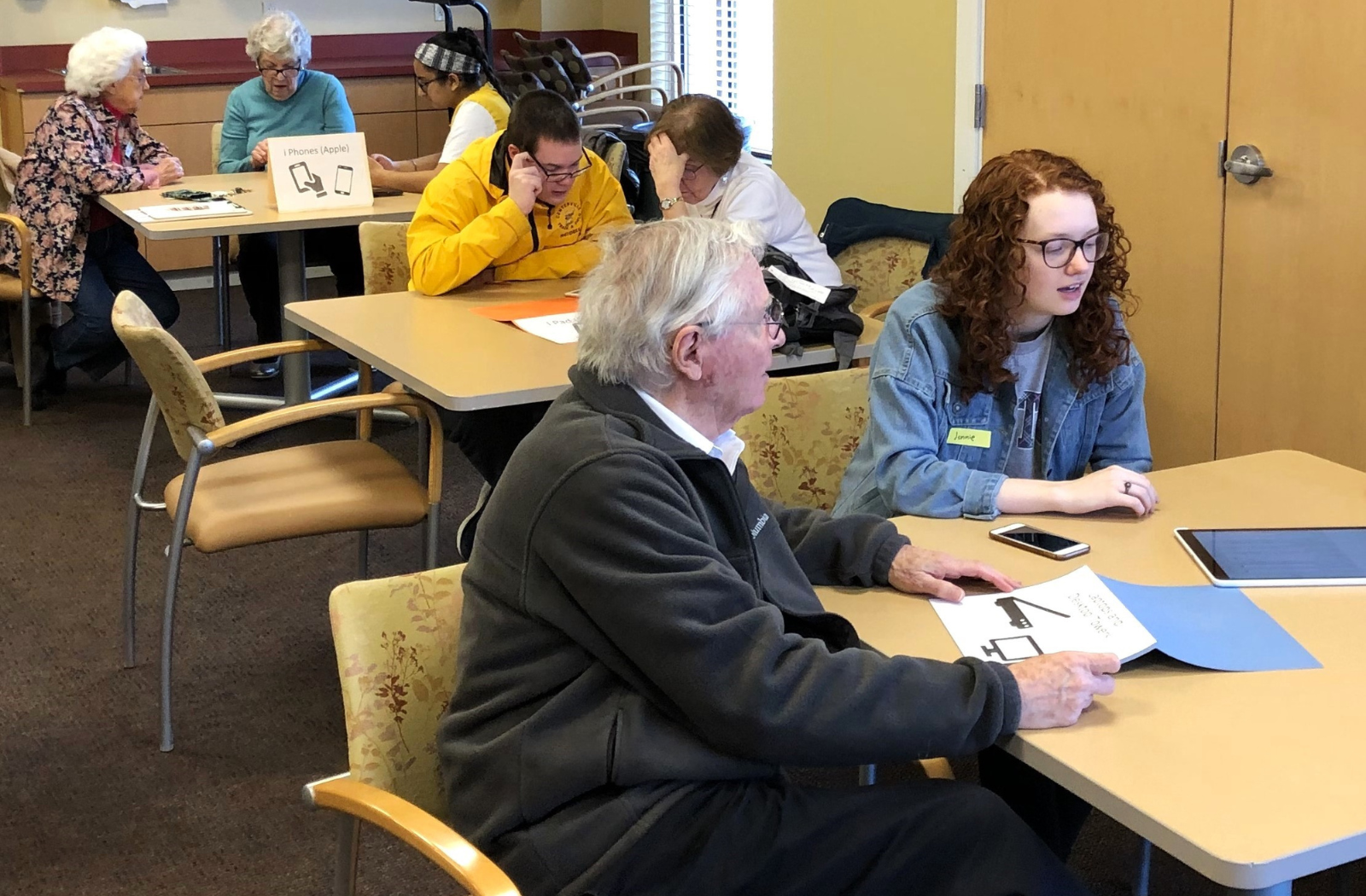
At Bethany Village, we understand the importance of staying connected in today’s digital world. For residents who want to learn more about using their laptop, iPhone, iPad, or desktop computer, our Technology Interest Group offers a welcoming space to explore and improve tech skills. Monthly meetings provide hands-on support, with local honor students and fellow neighbors ready to assist and share their knowledge. Whether you are new to social media or looking to expand your digital skills, there’s always an opportunity to learn and connect!

Caring for aging loved ones is both a privilege and a responsibility. More families keep their older adult relatives at home rather than transitioning them to senior communities. This creates the need for personalized care solutions. There is no one-size solution for caring for a senior at home. In-home care options include:

  • Skilled nursing care
  • Occupational therapy
  • Physical therapy
  • Home health aides
  • Companionship services
  • Palliative and hospice care
  • Technology-assisted care

A family likely doesn’t need every one of these services for their older adult loved ones to lead a healthy, happy life at home. But knowing what care options exist can make future planning much simpler and more effective.

Understanding At-Home Senior Care

At-home senior care refers to a range of services provided in the comfort of an older adult’s family home. This care meets aging adults’ medical, emotional, and social needs while allowing them to remain safely in a familiar environment.

Senior communities do everything possible to make their residents feel comfortable and at home. Still, at-home care offers a unique blend of familiarity, independence, and flexibility that is invaluable to many older adults and their families.

Key benefits of at-home senior care include:

  • Enabling older adults to maintain their routine in a comfortable and familiar space
  • Offering flexible and personalized care plans tailored to unique health and emotional needs
  • Strengthening family bonds as loved ones remain actively involved in caregiving
  • Eliminating the stress sometimes associated with moving to a new home

Types of At-Home Senior Care

When discussing at-home senior care, it’s essential to recognize that no two individuals share the same needs. Care services are available to address medical, emotional, and functional requirements.

Skilled Nursing Care

For older adults requiring advanced medical attention, skilled nursing care provides wound care, medication management, IV therapy, and post-surgical care. This form of care ensures professional oversight without the need to move into a healthcare community.

Occupational & Physical Therapy

Occupational therapy focuses on helping older adults maintain or regain the ability to perform daily activities such as bathing, dressing, or cooking. Professional therapists create personalized plans to enhance independence and improve overall quality of life.

Physical therapy is another beneficial therapy designed to improve mobility, strength, and balance. These improvements are crucial in preventing falls and injuries among older adults.

Home Care Aides

Home Care Aides assist with non-medical needs like personal hygiene, meal preparation, and light housekeeping. They also provide companionship, ensuring an older adult receives emotional support and social interaction.

Companionship Services

Loneliness can significantly impact a senior person’s mental and emotional well-being. Companionship services offer individuals who spend meaningful time with older adults, engaging them in activities such as reading, chatting, or going on walks.

Palliative & Hospice Care

Palliative care focuses on pain and symptom management to improve overall comfort and quality of life for older adults facing serious illnesses. Hospice care also provides compassionate end-of-life support for people and their families.

Technology-Assisted Care

Technology has opened new doors for at-home senior care. From wearable health monitors to smart home devices and telehealth consultations, technology enables real-time monitoring and access to healthcare professionals without requiring in-person visits.

Factors to Consider When Choosing At-Home Care

Deciding on an at-home care plan will often require more than one discussion among the family members. A few key factors to consider:

Financial Considerations

Evaluate the costs associated with different care options, including professional services and medical equipment. Look into insurance coverage, Medicare benefits, and other financial assistance programs.

Specific Needs

Consider medical, physical, and emotional needs. Does your aging loved one require around-the-clock medical supervision, rehabilitation, or simply companionship?

Caregiver Availability

Assess the time and capacity of family members to provide support. While some families can divide responsibilities, others might require professional aides to step in.

Preferred Living Environment

Ensure the home is safe and accessible, with modifications like grab bars, non-slip flooring, and wheelchair ramps if needed.

Creating a Customized Care Plan

A personalized care plan is the foundation of successful at-home caregiving.

  • Conduct a needs assessment: Evaluate the adult’s medical, physical, emotional, and social requirements.
  • Engage healthcare professionals: Collaborate with doctors, therapists, or care coordinators to develop an effective plan.
  • Set clear goals: Define both short-term and long-term objectives, such as improving mobility or maintaining mental stimulation.
  • Build a caregiving team: Designate roles among family members and consider enlisting professional care providers to cover essential areas.
  • Regularly review the plan: Reassess the care plan periodically to adapt to evolving needs.

Empowering the Senior Care Journey

Caring for an older adult loved one at home is a meaningful experience for everyone involved. Families can create an environment where everyone thrives with dignity and comfort by exploring various care options, tailoring a personalized care plan, and implementing thoughtful practices.

If you are ready to start your at-home senior care planning or have additional questions, please contact our professional team at Bethany Village.

6 Practical Tips to Assist Your Aging Parents with Downsizing & Decluttering

As your parents age, sometimes they can require some extra care or assistance. Your help can take many forms, from helping and supporting them in downsizing and transitioning into a new community to assisting them with getting organized and decluttering their space.

Let’s explore what helping older adults can look like and 6 practical tips to help your aging parents with downsizing and decluttering before moving into a new stage of life.

Caring for Older Adults

Your parents have some options to consider and may rely on your help to decide. When that time comes, it’s always a good idea to present a few options to them:

  • Aging in their own homes, often with support, can be a stress-free and familiar option.
  • Your parents may want to stay close to you and choose to move in with you.
  • A senior living community may also be a great option to open a new chapter in life.

If your parents are healthy and active, they can also explore living in a senior living community. This lifestyle can be a way for them to eliminate the responsibilities and chores that come with owning a home—giving them the time to focus on the things and activities they enjoy while engaging with a wider social circle.

Not everyone takes on a caregiver role. If your parents decide to move to a senior living community, you can provide your support. Your parents’ health can be ever-changing, so a CCRC (continuing care retirement community) is a great option.

A CCRC is a long-range plan to take care of your parents’ changing health needs as they age. Through a CCRC plan, the ability to age in place is an attractive option to maintain a familiar environment and is worth exploring with your parents.

Any sort of living transition can be an adjustment for both you and your parents. It’s important to give both sides time to adjust and reach a level of comfort with this new dynamic. Not everyone has health issues—this decision to downsize and declutter can represent a plan for the future.

It’s important to know what types of care they may require before helping your aging parents downsize and declutter to move on to a new stage of life or a new community.

Personal Care

They’ll be going through a role reversal as they’re used to taking care of you.

Your parents may need help with tasks like:

  • Bathing
  • Dressing
  • Grooming
  • Other personal care like toilet care

It can be challenging for your parents to accept any help, so remaining calm and assisting them through the process when needed is essential.

Household Help

Household chores like cleaning, laundry, and yard work are areas where your parents may need help. Handling these day-to-day chores can take a great deal of stress off of them and result in a more relaxing environment.

Going grocery shopping for them and helping with preparing healthy meals can give them a great socializing boost they may need.

Emotional Support

Sometimes support is just simply spending time with your parents. Aging can get lonely, especially if you have a single parent who lives alone. Practicing regular visits with them and offering your time is a great way to provide support.

Being calm and patient with your patients can do wonders for their mental health.

Health Care

With aging may come some health issues that you can assist your parents with. You can ensure they’re keeping up with medication and have transportation to all their doctor’s appointments.

Keeping track of your parent’s medications can help them, especially if they’re forgetful or suffer from any cognitive problems.

Suppose your parent’s needs outweigh your ability to care for them. In that case, it’s a good idea to look into home health care services that can assist them.

6 Practical Tips When Helping Your Parents Downsize & Declutter Their Home

When the time comes to help your parents downsize and declutter and move on to a new community, it’s important to get an early start.

Start Planning the Move Early

Sitting down with your parents and planning the move can make a huge difference. It is essential to give them time to prepare and come to terms with moving on.

Moving into a new community isn’t always easy, and your support and understanding can mean the world to them.

Keep Things Positive

Stress can be inevitable during any sort of deep clean that precedes a move. Patience is key in this case, and keeping things light and positive around your parents can create a welcoming environment.

Look through old photo albums and talk about items with attached memories to keep them motivated and, most of all, enjoy each other’s company—it can be a time of bonding as much as getting some cleaning done.

It can be an emotional ride—a big life transition can be tough on your parents.

Ask Questions

Your parents may be dreading the idea of misplacing anything or forgetting to take something with them. A great way to stay involved in the process is by reminding them of any items you may think they’ll miss.

Keep track of any precious items that can get lost in the clutter and ask whether they want to keep certain things and get rid of others. Leave the decisions up to them!

Have a Plan for Furniture and Belongings

When downsizing and moving to a new community, having a plan for the furniture and belongings your parents may leave behind is essential.

A senior living community will consult will families on appropriately sized furniture. Determining what to do with the leftover furniture can be left up to you. If your parents want to hang on to some furniture, you can help them determine the best items to keep.

Give it Time

Your parents won’t be convinced right away to move on—it can take weeks and months of convincing, even if it’s the best option for them.

Downsizing should never be a rushed decision, and your patience will be essential. Your parents are still independent and need time to come to terms with a decision.

Join Your Parents on a Tour of Their New Community

When you and your parents find the right community for them and they’re warming up to the idea of downsizing—accompany them on a tour of their possible new home.

Your presence can help put them at ease, and having a positive attitude can warm them up to the possible move.

Helping Your Parents

The role reversal that your parents will undergo when downsizing and decluttering for a move can be stressful. It can fall on you to provide them with a pillar of support and positivity to help them come to terms with a new stage of life.Get in touch with a Marketing Counselor at Bethany Village who can assist you with this process and help you understand how to help your parents.

Moving into a smaller home isn’t as big of a sacrifice as you might think. Sure, you’re giving up square footage, but you’ll be saving big in other areas. Seven to eight hundred square feet may sound small, but it’s actually the ideal amount of space for seniors who are looking to downsize. According to an estimate provided by The Engineering ToolBox, each person needs an average of 300-400 square feet of personal space within a home to feel comfortable.

Downsizing to a smaller home is a practical, cost-efficient option, especially for seniors. Living in smaller square footage means cutting back on the maintenance that goes into caring for a larger home. Less upkeep means more time and funds for things that bring joy like travel or volunteering.

Downsizing to a Senior Living Community

A 700-800-square-foot living space is bigger than you might think. A home this size often features two bedrooms, one bath, a kitchen, and living space. So there’s still enough room to host a dinner or invite overnight guests. What other seniors have shared about the advantages of smaller living space:

  • Smaller homes and living arrangements are easier and less expensive to maintain
  • You spend less time cleaning and decluttering
  • Furnishing and decorating are easier
  • Smaller homes reduce the temptation to accumulate
  • Frees up time to do more things you like

Maximizing every inch of space, creating sensible walkway helps to create an open feeling in a smaller space. Decluttering is key—prioritize the things you can’t live without then get rid of or donate the rest. Adding smart storage solutions will also maximizes space, like stackable laundry machines and multi-use furniture. Extending living areas with outdoor seating and dining space on a backyard patio or balcony can also help your home feel bigger. Smaller can feel comfortable if you make smart choices.

Furniture Suggestions in a Senior Living Community

Bethany Village offers independent living cottages, villas, and apartments, as well as assisted living apartments. Our senior living homes vary in square footage, from large to small. View all of the floor plans in our community on our website!

Here’s what we suggest to bring for furniture if you plan to downsize.

Sofas

Regular size three-seat sofas typically measure about 35 inches deep by 84 inches wide, while smaller space sofas usually measure somewhere between 68 and 80 inches wide, with a few inches shaved off to save space in depth. Look for space saving sofas that feature three cushions.

Sectional Sofas

Regular sectional sofas vary in size, with five-seat sectionals around 95 inches wide and 40 inches deep. A space saving sectional sofa, however, could be as small as 80 inches wide by 35 inches deep.

Loveseats

Loveseats and chaise lounges are good options for smaller spaces, measuring somewhere around 60 inches wide by 35 inches deep. If you’d like an apartment size loveseat to complement your apartment size sofa, look for one that measures around 53 inches wide by 35 inches deep.

Accent Chairs

Accent and armchairs measures 35 inches wide by 35 inches deep. You can go as small as you’d like on accent chairs, with comfortable styles measuring as little as 25 inches wide.

Coffee Tables

Consider coffee table sizing to ensure good balance and proportion. A typical coffee table measures about 30 inches wide, while space saving varieties may be as small as 24 inches wide and offer additional storage options.

Efficient Living at Bethany Village

Being selective in the pieces you decide to bring into a smaller home means having familiar or cherished pieces, but done with a purpose. A smaller living space can feel like home and be a space you can create and decorate for your future. Our design specialists can help you decide on the options that best suit your tastes and your new home.

Contact our team at Bethany Village today.

When you or an older loved one begins to need extra support at home, enlisting the help of a home health care provider can be invaluable. Home healthcare makes it possible for seniors to “age in place” by offering a range of medical services to help them remain safe, happy, and healthy in the comfort of their homes.

Today, there are many different types of home health care providers, but not all offer the same quality of care. As you research and compare home health care options to find the best fit, be sure to ask the following questions:

#1: What is the provider’s background and reputation?

Reputation matters when choosing a home health care provider. How long have they been providing services? Is the provider part of a large corporate chain, or local to your community? Are they recommended by health care professionals, caregivers, and patients? Reading online reviews can provide some insight into a provider’s reputation and give you an idea of what to expect.

#2: What types of services does the home health care provider offer?

Some home health care providers only specialize in certain services or levels of care. But because older adults’ care requirements change over time, it’s best to look for a provider that offers a wide range of in-home care services to ensure their needs are covered now and in the future.

For example, Bethany Village Home Health Care provides skilled nursing and licensed therapy services in the comfort of home, including physical, speech, and occupational therapy, wound care, IV therapy, and medication management.

#3: How does the home healthcare provider select and train its employees?

When choosing a home health care provider, you want to know that you’re bringing in people into your home that you can trust. Don’t be shy about asking questions to find the best fit for yourself or a loved one. How does the provider select its caregivers? Do they perform thorough background checks? Do employees receive ongoing training?

Bethany Village Home Health Care is part of Bethany Village , one of the area’s premier senior living communities, which means our skilled nurses and therapists are thoroughly screened and trained to ensure they meet our high standards of quality.

#4: Is the provider highly rated for patient satisfaction?

Medicare.gov gives patient satisfaction surveys each year, asking patients (or their family or friends) about their home health care, and if they would recommend that agency to someone else. Bethany Village Home Health Care has been rated 5 stars for patient satisfaction — the highest rating — reflecting our commitment to quality care and personalized services.

#5: How does the provider include the patient and their family in the care plan?

Before choosing a home healthcare provider, be sure you understand their process. How do they assess a patient’s current and potential needs and develop a customized care plan? Are treatment plans and services documented and explained to the patient and their caregivers? How does the provider communicate with family members about their loved one’s progress, changes to their care plan, or any other concerns?

When it comes to home healthcare, you have a choice!

Whether you or a loved one are recovering from an illness or injury you can count on Bethany Village Home Health Care to provide exceptional quality care in the comfort of home. The compassionate caregivers at Graceworks at Home deliver a range of professional at-home care services — including skilled nursing and licensed therapy services — with the same dedication to Faithful Caring as the staff at Bethany Village.

To learn more and arrange at-home care for yourself or a loved one through Bethany Village Home Health Care, please contact us today.

If you have a parent or loved one living with Alzheimer’s or another form of dementia, planning ahead and finding a memory care community is one of the best decisions you can make for their long-term health and wellbeing.

Especially in the early to mid-stages of dementia, assisted living memory care can provide priceless peace of mind for your loved one and your family. In an assisted living memory care community, residents benefit from 24-hour care, enriching activities and therapies, and gentle support, enabling them to maintain a higher level of independence and make the most of each day.

If you’re starting to search for assisted living memory care for your loved one, it’s important to understand that not all communities are alike. By asking thoughtful questions and touring your top choices, you can determine if a community is the best fit for your family.

Below are five important questions to ask when researching and touring memory care facilities:

What are your loved one’s current needs?

First, you’ll need to identify the level of care your loved one requires to determine if the memory care community can meet their needs. Talking to your loved one’s doctor can help you gain an understanding of the care they currently need and what to expect down the road.

For example, your loved one might need assistance with activities of daily living such as grooming, bathing, dressing, eating, and managing medications, but may not yet require ongoing medical attention or treatments. Choosing an assisted living memory care facility that’s part of a continuing-care retirement community will ensure that your loved one has access to the care they need now and in the future.

Do caregivers have dementia-specific training?

Ideally, you will choose a memory care community that employs highly knowledgeable, experienced staff members who understand the unique challenges of caring for individuals in each stage of dementia. Ask about the type of training staff members receive and if the community invests in ongoing education, so caregivers are always up-to-date on the best practices and latest dementia care techniques.

What amenities and features are available within the community?

Modern memory care communities offer ??a variety of amenities and comforts to make residents feel at home. As you research and tour memory care options, consider which features are most important to you and your loved one.

  • Are living spaces private or shared with other residents? A private room may feel most comfortable and familiar to your loved one.
  • How often are meals provided? Are snacks and beverages offered between meals? Are special dietary requirements accommodated?
  • Are there on-site amenities, like a movie theater, fitness center, beauty salon, and a library?
  • Are there enclosed courtyards so residents can safely enjoy the outdoors?

What types of memory therapies and activities are offered?

Memory-enhancing therapies and activities help individuals with dementia maintain dignity and preserve their sense of self. Ask about the different therapies offered by the memory care community, such as:

Music therapy, which involves listening to familiar tunes, singing along, and playing instruments like drums and tambourines to stimulate memories and boost mood.

Pet therapy, which helps to reduce stress and anxiety through interaction with therapy dogs, rabbits, birds, and other animals.

Art therapy, which prompts self-expression, communication, and reminiscence through guided art projects such as painting, drawing, and crafting.

In addition to these specific therapies, memory care communities may offer person-centered activities such as conversation-starter programs, brain games and puzzles, gardening and floral arrangement, and other entertaining activities tailored to residents’ individual interests.

What security measures are in place to protect residents?

Safety and security are absolutely crucial when choosing an assisted living memory care community because wandering, confusion, and agitation can be common among people with Alzheimer’s and dementia. You’ll want to find a well-secured community that includes intentional design elements and soothing, easy-to-navigate spaces that minimize confusion. Key features to look for include 24-hour security monitoring, secured entrances and exits, and personal alert systems so residents can quickly request help when needed. Find out what procedures the memory care community has in place to protect residents and communicate with family members in the event of an emergency.

Is it Time for Memory Care?

Choosing an assisted living memory care community for your loved one is a big decision. Many families choose to begin the search for memory care early, while their loved one is still independent, so they’re well-prepared when a higher level of care is needed. A good starting point is to take a quick senior living assessment to learn about the different options available — including Pavilion Assisted Living Memory Care at Bethany Village.

As part of Bethany Village’s continuum of care, which includes skilled nursing memory care, moving to Pavilion Assisted Living Memory Care guarantees that your loved one will be surrounded by faithful caring in every stage of their disease. More than providing a safe, secure place to live, Pavilion enhances residents’ quality of life with enriching therapies and meaningful activities offered every day.

See What Life is Like in Pavilion with a Respite Care Stay

If you’re beginning to compare assisted living memory care options, consider scheduling a short-term respite care stay at Bethany Village. During their respite care stay, your loved one will enjoy the same personal care, amenities, and support as our assisted living memory care residents while their family caregivers enjoy peace of mind and a well-deserved break.

Respite care is a wonderful opportunity for your loved one to meet our staff, interact with residents, and experience what it’s like to live in the community before calling Bethany Village home. Many families find that respite care makes the decision to transition to assisted living memory care easier for everyone!

Learn more about respite care and Pavilion Assisted Living Memory Care today. Please call us at 937-433-2110 or fill out our contact form to request more information and arrange a private tour of our beautiful community.