

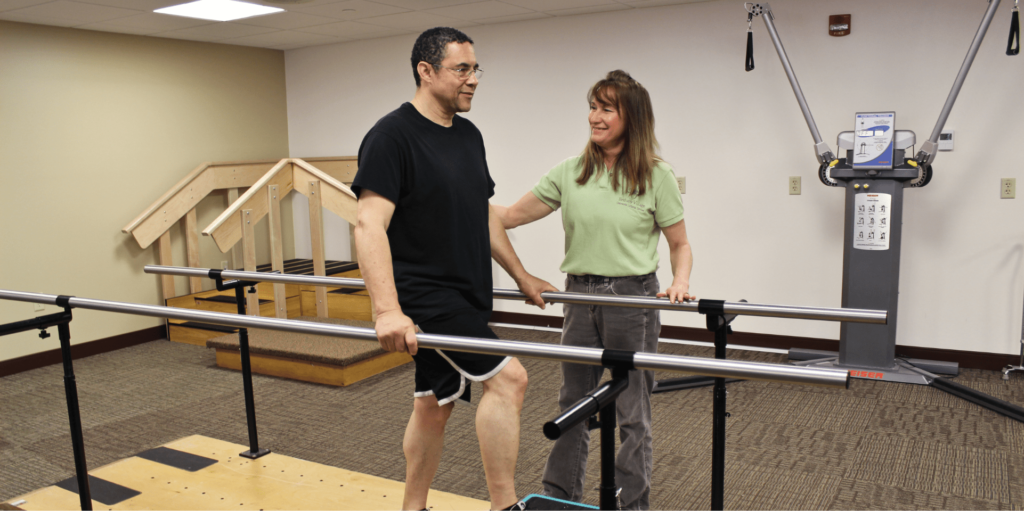
Bethany Rehab Center patient with aide walking with parallel bars
Bethany Rehabiliation Center

After spending time in the hospital, whether for an illness, accident, or planned elective surgery, seniors are often faced with the decision to either recover in a short-term rehabilitation facility or at home.

While it’s natural to want to get back to a familiar setting as soon as possible following a hospital stay, there are significant benefits to choosing an inpatient senior rehab center instead of returning home. In many cases, healthcare providers will recommend senior patients arrange a short-term rehab stay and home healthcare services to promote a safer, faster, and successful recovery.

What is short-term senior rehab?

Short-term senior rehabilitation, also known as post-acute rehab, offers seniors round-the-clock care and therapies as they recover after a hospitalization due to a fall, joint replacement or other surgery, or illness. Seniors will typically stay in a short-term rehab facility for 21 days or less depending on their care plan, allowing them to recover in a supportive, healing environment.

Some senior rehabilitation facilities, like the Bethany Rehabilitation Center, are part of continuing-care retirement communities (CCRCs) and provide additional services such as medication management, nutrition and dietary guidance, pastoral care, and life enrichment activities.

How can short-term rehab care promote faster recovery?

Short-term rehabilitation offers a number of unique advantages for seniors, helping them regain strength and confidence as they transition from hospital to home. Here’s a look at some of the ways short-term rehab promotes a smoother recovery:

24/7 personalized care and support

In a short-term rehabilitation center, an interdisciplinary team of nurses, therapists, social workers, and physicians work together to create a coordinated treatment plan for each patient. Depending on an individual’s needs, this may include wound care or IV treatment, medication management, and therapy treatments such as physical therapy, occupational therapy, or speech therapy.

Because short-term rehab patients are always surrounded by caring professionals, the recovery process is comprehensive and consistent. There’s no need for patients or their families to worry about arranging transportation or remembering to do therapy exercises at home — instead, they can relax and focus on getting better. The 24/7 care provided in short-term senior rehab also means that extra help is always close by in case of an emergency or health setback. In this way, inpatient rehab helps seniors speed up their path to recovery while providing priceless peace of mind.

Comfortable, Peaceful Setting

Unlike the cold and clinical nature of a hospital environment, short-term senior rehab facilities are designed to be warm and inviting. For example, the Bethany Rehabilitation Center offers private rooms and bathrooms, beautiful outdoor spaces and walkways, delicious dining options, a beauty salon, and enriching activities to provide seniors with maximum comfort and convenience. With everything in one place, short-term rehab patients are able to focus on recovering, healing, and resting.

Emotional support and encouragement

Rehabilitation is not just physical; it’s a mental and emotional experience, too. Every patient has different needs and challenges to overcome, and it’s normal to feel frustrated, discouraged, tired, angry, or upset during the rehab process. Receiving daily support and encouragement from a caring and compassionate rehabilitation team can make all the difference in helping seniors stay motivated and continue their progress.

Plan Ahead for Short-Term Senior Rehab — and Beyond

Recovery is a long journey. Even after returning from a short-term rehab stay, it’s often necessary for seniors to continue receiving therapy treatments, skilled nursing care, or personal assistance at home to fully recover. In this stage of their rehabilitation, seeking help from a home healthcare provider can enhance a senior’s daily life, improve their independence and safety at home, and prevent return visits to the hospital.

In the case of elective surgery, such as a joint replacement, doctors often recommend seniors and their families have a recovery plan in advance. It’s important to remember that not every short-term senior rehab facility or home healthcare provider is alike, and patients have a choice in where they’d like to receive care. It’s well worth taking the time to research, tour, and compare the options to ensure you select a rehab center and home healthcare agency that provides the amenities and services you want and need.

If you’re considering senior rehabilitation for yourself or an older loved one, we invite you to learn more about Bethany Village’s state-of-the-art on-campus rehabilitation center, as well as our at-home healthcare services offering Bethany Village care in the comfort of home. We’re always happy to answer your questions and help your family make an informed decision.

When an older loved one is discharged from the hospital following a major illness, injury, or planned surgery like a hip or knee replacement, their doctor may recommend short-term skilled rehabilitation to help them fully recover.

It’s understandable if you have questions about successfully navigating the rehabilitation process. Read on to learn more about senior rehab and what to expect while your loved one is recovering.

What is short-term senior rehabilitation?

During rehabilitation, older adults receive therapy treatments and other care services to promote their full recovery. A stay in a short-term senior rehab center usually lasts anywhere from a few weeks to about a month.

Short-term rehab usually includes therapies such as:

  • Physical therapy, which helps older adults improve their strength, mobility, and flexibility following a fall, surgery, or injury. Physical therapy exercises are an effective way to alleviate pain and discomfort in the recovery process. In physical therapy, older adults also learn techniques to help prevent another fall or injury.
  • Occupational therapy is used to help older adults recovering from an illness or injury learn exercises and techniques that make everyday living tasks much easier. Practicing skills such as loading the dishwasher, doing laundry, or preparing to cook in occupational therapy can help older adults regain confidence and get back to their highest level of independence.
  • Speech therapy helps older adults dealing with conditions that impact their communication, swallowing, and cognitive skills such as brain injury, stroke, and Parkinson’s disease.

Depending on your loved one’s needs, their rehabilitation may also include skilled nursing services such as wound care, medication management, and IV treatments.

What are the benefits of senior rehabilitation?

The goal of senior rehabilitation is to help older adults heal, recover, and get back to doing what they love. Beyond the obvious physical health benefits, participating in rehabilitation can also provide mental and emotional health benefits, such as:

  • Restored self-confidence — It’s common for anyone to lose confidence when faced with health issues. As older adults make progress and reach their goals in rehab, it will help them restore their confidence and stay motivated to keep going.
  • Reduced stress — Recovering from a serious illness or injury can be stressful. The therapists and skilled caregivers in senior rehabilitation understand how to help older adults stay positive and focus on their recovery.
  • Enhanced quality of life — Ultimately, active participation in rehabilitation helps older adults return to their highest level of function and continue living their best life.

Can you choose a senior rehab center?

Your loved one’s doctor may suggest going to a certain rehab center, but you’re not required to use that facility. You’re free to choose where you want to complete the rehab. Some families prefer at-home care, so their loved ones can receive therapy and other care services in the comfort of home.

Sometimes, older adults need support that can’t be provided at home. In this case, a good option is to stay in a senior rehabilitation center that’s part of a larger retirement community.

The Bethany Rehabilitation Center is a state-of-the-art therapy facility located on the beautiful Bethany Village campus. Our expert team is made up of over 30 dedicated care professionals, including nurses, therapists, social workers, dieticians, a life enrichment coordinator, and a chaplain. Together, they provide the full spectrum of care, focusing on healing in mind, body, and spirit.

Your loved one will receive rehabilitative services that are tailored to their needs in a relaxing, peaceful setting. Therapy is offered six days a week in our expansive gym, which offers the most advanced rehabilitation equipment. When they’re not receiving treatment, your loved one can enjoy chef-prepared meals, participate in enriching activities, or relax in their private room. A nurse case manager will oversee all details of your loved one’s recovery, including support for their return home.

Learn more about the Bethany Rehabilitation Center

A physician’s order is needed to treat in the Bethany Rehabilitation Center, but we always welcome inquiries, and visits can be arranged for those interested in learning more. Please contact us to get more information or set up a visit.

After experiencing an illness, injury, or surgery, we all need time to recover. Often, after an older adult spends time in the hospital, their doctor will recommend they stay in a short-term rehabilitation center before returning home. These short-term senior rehab centers are designed to help older adults regain strength and confidence in a supportive, healing environment.

If your aging parent isn’t quite ready to return home after a hospital stay, a short-term senior rehab center can help them begin the road to recovery. As a caregiver, it’s important to understand that the process of recovery is not always easy, especially for older adults. It takes a great deal of hard work and dedication to stick with a consistent therapy routine, and it’s natural for rehab patients to lose some motivation along the way. Fortunately, there are things you can do to support your parent in their recovery journey.

If your parent is preparing to enter short-term rehab, here are a few tips to help them—and you—stay motivated and positive.

Set goals together

Goal-setting is how we set direction in our lives, and short-term senior rehab should be no different. A clear plan for recovery, with milestones along the way, will keep your parent focused on what they want to achieve and help set them up for success.

In a short-term rehab facility, an interdisciplinary team of doctors, nurses, and therapists will work together to come up with a treatment plan for your parent that is realistic and achievable. They may also encourage your parent to set personal goals that relate to the interests or activities they want to get back to enjoying, such as golfing or gardening.

Be grateful for small wins

Sometimes, recovering from a surgery or illness takes longer than you or your parent had hoped, which can be discouraging. Remember, recovery is different for everyone. You and your parent should expect to see incremental improvements along the way rather than huge leaps forward. While small, these “wins” are still a signal that things are moving in the right direction.

At the beginning of a short-term senior rehab stay, your parent’s progress might be minor, like being able to get out of bed without help. Let the rehab care team know to keep you informed about every positive step. This way, no matter how small or how significant, you and your parent can celebrate each of these wins together.

Be mindful of their mental wellbeing

Keep in mind, an injury, illness, or surgery can impact our mental health just as much as our physical health. It’s not unusual for those in the recovery process to feel frustrated or even depressed, and that can naturally lead to a lack of motivation.

As a caregiver, there are several ways you can encourage your parent to keep an optimistic outlook —

? Focus on what they can control. When an older adult is in short-term senior rehab care, it may feel like they have lost control over their life. But the opposite is true! Help them see that by doing their physical therapy exercises, eating well, getting plenty of rest, and listening to their care team, they are taking control of their situation and working toward a brighter future.

? Emphasize the positives. When you visit your parent in short-term rehab, bring an activity you know they enjoy or something you can do together. Maybe it’s putting together a puzzle, listening to music, or video chatting with grandchildren. These small, thoughtful gestures will show your parent how much you care and provide some much-needed encouragement.

? Remind your parent that their short-term rehab stay is temporary. The more they approach their therapy exercises with enthusiasm, the more likely they will be able to return home in the desired time period.

Remember that recovery is a team effort

As much as you want to help your parent heal and get better, there’s a limit to how much you can do on your own. You can explain how a positive attitude toward rehab will help produce a better outcome and encourage them to stay motivated. Ultimately, though, rehabilitation is a personal matter, and every patient has different needs and challenges to overcome throughout the process.

That’s why at the Bethany Rehabilitation Center (BRC), our staff creates a plan that is individually tailored. Those staying in our short-term senior rehab center always get personalized attention from our team of physicians, nurses, therapists, social workers, and dieticians so they can achieve the best possible outcome. Each individual’s plan of care is coordinated by a nursing case manager, who works with families to manage and communicate all details of recovery, including a planned return home.

When your parent or loved one is working toward recovery after an illness, injury, or surgery, the BRC is here to help them focus on all aspects of the healing process—mind, body, and spirit. Contact us to learn more about our state-of-the-art senior rehabilitation center.

After being discharged from the hospital due to an illness, injury, or surgery such as a hip or knee replacement, many older adults need to stay in a short-term inpatient rehabilitation center to continue their therapy treatment. Spending time in a short-term senior rehab facility allows older adults to receive round-the-clock care, treatment, and support so they can return home safely.

However, when the short-term rehab stay comes to an end, the prospect of transitioning back home can be overwhelming for rehab patients—and their family members. If your parent is discharged from a senior rehab center, it’s natural to feel uncertainty about the changes ahead and how you will adjust to them. But with some planning, preparation, and patience, you can help your parent or loved one successfully transition home and continue their recovery journey with less stress.

Here are some tips to remember when helping a loved one transition home from short-term senior rehab:

Prepare early

Planning for the transition home from short-term rehab should start well in advance of your parent’s intended discharge date. Luckily, you’re not alone in this process. The professional staff at the senior rehab center will help you understand your parent’s needs and what to expect. For example, at the Bethany Rehabilitation Center (BRC), discharge planning begins from the moment of admission. Right from the start, our social services team will meet with your family to discuss your parent’s needs and goals. By the time your parent is ready to return home, our team will ensure all your questions are answered, so the transition is smooth and seamless.

Think about home modifications

Whether your parent is returning to their home or moving into another relative’s home after their short-term rehab stay, it’s important that their living environment is as safe and accessible as possible. Pay attention to safety concerns such as proper lighting, loose area rugs, carpeted stairs, furniture arrangement, and handrail stability. Is the shower and bathroom area accessible? The addition of grab bars or a shower chair can make a big difference for your parent’s safety. Before your parent is discharged, ask the senior rehab staff about any specific recommendations they have to make their home environment more safe and comfortable.

Set recovery goals

During their short-term rehab stay, your parent may receive therapy treatment from physical, occupational, and speech therapists. Before discharge, these therapy experts set realistic short and long-term recovery goals for your parent and outline a daily routine of exercises they should continue, whether on their own or with assistance. Once they return home, help your parent stay focused on their goals. A little motivation and encouragement can go a long way in preventing the risk of returning to the hospital again.

Line up support systems

Helping a parent or loved one recover from a major illness or injury isn’t easy, but luckily, you don’t have to do it all by yourself. Don’t be afraid to ask for help, whether it’s reaching out to other family members or taking advantage of local community resources and at-home health providers. The senior rehab facility staff will connect you to trusted resources to help your parent recover safely and happily at home.

Stay positive

Rehabilitation is difficult at any age, but it may be particularly stressful for older adults. Encouraging your parent or loved one to maintain a positive attitude before, during, and after their short-term rehab stay may help to speed up the recovery process and prevent return visits to the hospital or rehab center. Even short visits or phone calls can lift your parent’s spirits and increase their confidence in their own recovery.

Finally, if you are the primary caregiver for your parent, one of the best things you can do is to take care of yourself. Prioritize your own health and wellness, and take a break if you need to. Remember, it’s okay to have extra assistance when caring for your loved one, especially if they are facing significant mobility loss and other lifestyle changes. From meal delivery to transportation services to at-home health providers, there are many resources that can make the recovery process easier for you and your loved one.

Physical therapy in a senior rehabilitation center

After being discharged from the hospital due to an illness, injury, or elective surgery, many older adults are referred by their doctor to an inpatient senior rehabilitation facility, where they receive therapy services and medical care before returning home.

But many times, older adults and their families feel intimidated or overwhelmed at the prospect of entering an inpatient rehabilitation facility, especially if they don’t know what to expect.

Don’t worry—it’s natural to feel nervous before any new experience, particularly when it involves your health care. Luckily, rehabilitation facilities such as the Bethany Rehabilitation Center exist to help older adults recover in a healing environment with support every step of the way. With short-term nursing care and a full range of therapy services, the Bethany Rehabilitation Center is designed specifically for older adults recovering from cardiac procedures, joint-replacement surgery, falls, accidents, or other major illnesses.

We recently sat down with Jessica Dutton, Director of the Bethany Rehabilitation Center, and Robyn Powell, Manager of Social Services, who explained what older adults and their families can expect during a short-term stay in inpatient rehabilitation.

What is the intake process like for someone admitted to the Bethany Rehabilitation Center?

Jessica: As part of the intake process, our admissions staff members help the rehab resident and their family complete necessary paperwork. Then, our dedicated care staff will help the resident get settled into their private room and do an initial assessment of their needs. A nurse case manager develops an individually tailored plan that addresses the resident’s requirements for different therapy disciplines such as physical, occupational, and/or speech therapy, as well as their nutrition, and medical needs. We have more than 25 dedicated care professionals working in the Bethany Rehabilitation Center, including a medical director and physician who oversee the care of residents from the time of admission.

The majority of rehab residents come to the Bethany Rehabilitation Center from a hospital stay, but we do have Bethany Village residents who are coming from our Independent Living or Assisted Living communities to receive medical management and therapy services. In fact, all on-campus residents of Bethany Village have priority admission to the Bethany Rehabilitation Center, should they need it.

Robyn: Each rehab resident is assigned a social worker, who starts the process of discharge planning from day one. We understand that for most rehab residents, their goal is to return back home, and we share that same goal. We sit down with rehab residents and their families to identify and plan for the supports they will need for a successful transition home. We work with the resident through every challenge to ensure they receive the best possible care throughout their stay and return home safely and as quickly as possible.

What’s a typical day like for someone in the Bethany Rehabilitation Center? What should families expect?

Jessica: Each individual has a customized schedule for his or her day, but in general, most rehab residents can expect to receive about 45 minutes to 1 hour of each necessary therapy discipline (physical, occupations, and speech), six days a week. We coordinate these therapy services with any additional medical care a resident may need. Our goal is to stabilize their medical needs, advance their therapy, and then prepare them for discharge with a plan for home therapy or outpatient therapy.

Robyn: We’ve found that it helps rehab residents stay motivated when family comes to visit them and brings activities for them to do together throughout their stay. Residents at the Bethany Rehabilitation Center also have the option to participate in the activities and programs happening at Bethany Village, as well as social dining in our dining rooms, if they wish. We understand that every resident has different preferences for how they spend their day, and we respect those preferences, whatever they may be.

What makes the Bethany Rehabilitation Center different from other inpatient rehabilitation centers?

Robyn: Faithful caring is at the heart of everything we do at Bethany Village. It’s what drives our staff, our social workers, our nurses, and our life enrichment professionals. It’s who we are, and the residents and families that come to the Bethany Rehabilitation Center appreciate that. We’re not only looking at the physical or medical needs of an individual, but we’re looking at the whole person and how they’ve been impacted by their acute hospitalization or medical issue. If there are emotional struggles or psychological struggles that a resident needs assistance coping with, the social service department can provide support with counseling or refer the resident to pastoral care to provide the support of spiritual counseling. We also have access to professional, licensed counselors who come to campus to work with residents.

What is the discharge process like for rehab residents? How does the Bethany Rehabilitation Center help residents transition home?

Robyn: Discharge planning is an ongoing, evolving process throughout the rehab resident’s entire stay. We pride ourselves on the level of communication our social services team has with the residents and families. We don’t want anyone to be discharged and be surprised by our recommendations for their care. As our team is noting progress and discussing recommendations, we keep residents and their families involved and educated. I believe that communication is a key component of effective discharge planning.

Our social services team also gives families referrals to local resources that can help older adults stay safely in their own home. For some rehab residents needing ongoing care, a short-term rehab stay can ease the transition to an advanced level of care in an assisted living or skilled nursing facility. If this is the case, we’re here to help families find the right fit and connect them to those resources.

To learn more about the therapy services offered at the Bethany Rehabilitation Center, please contact us today. We are happy to speak with you and schedule a tour of our facilities!