

Finding a meaningful holiday gift for a loved one living with Alzheimer’s or dementia can feel overwhelming. Traditional gifts don’t always land the same way, and that’s okay. What matters most is choosing something that brings comfort, familiarity, and a sense of connection.

5 thoughtful holiday gift ideas for someone with dementia include:

  • Tech-related gifts that encourage familiarity
  • Personalized comfort and care gifts
  • Sensory and creative gifts for calm engagement
  • Cozy everyday gifts that promote relaxation
  • The gift of your time and presence

Key Takeaways

  • Dementia-friendly holiday gifts are most meaningful when they focus on comfort, familiarity, and emotional connection rather than novelty.
  • Simple, easy-to-use technology like digital photo frames or music players can help reinforce recognition without causing frustration.
  • Personalized comfort items and sensory-based gifts can provide reassurance and help reduce anxiety.
  • Cozy, everyday items that support warmth and routine are often appreciated and used regularly.
  • Time spent together—listening to music, sharing photos, or sitting quietly—can be the most valuable gift.

Gift Ideas to Inspire Joy and Connection

Thoughtful gifts for someone with dementia are less about impressing and more about supporting emotional well-being. So, try focusing on familiarity, comfort, and shared experiences.

Tech-Related Gifts That Encourage Familiarity

Simple technology can be surprisingly comforting when it’s easy to use and tied to familiar faces, sounds, or routines. Passive tech works best because it helps your loved one enjoy it without needing to learn something new or make decisions.

Here are a few tech-related gift ideas to consider:

  • Digital photo frames that rotate familiar family photos
  • Simple music players preloaded with favorite songs
  • Tablets set up only for viewing photos or short videos

These gifts can gently reinforce recognition and connection without adding frustration or confusion.

Personalized Comfort and Care Gifts

Personalized gifts show thoughtfulness and attention to your loved one’s preferences. Items tied to routine or familiar comforts can help them feel safe and understood, even as cognitive changes progress.

Some meaningful comfort-focused gift ideas include:

  • Customized care packages with favorite snacks or teas
  • Familiar lotions, soaps, or grooming items with preferred scents
  • Small keepsakes like notes, cards, or drawings from family

Personal touches remind your loved one that they are known, cared for, and valued.

Sensory and Creative Gifts for Calm Engagement

Sensory experiences can be grounding for people living with dementia. Gentle, hands-on activities often provide comfort without requiring complex thinking or memory recall.

Consider sensory or creative gifts such as:

  • Art supplies for simple drawing or painting
  • Large-piece puzzles designed for easy handling
  • Soft fidget items or textured blankets

These gifts encourage quiet engagement and can help reduce anxiety during moments of restlessness.

Cozy Everyday Gifts That Promote Relaxation

Comfort-focused gifts support daily well-being and can be enjoyed repeatedly. Items that promote warmth, safety, and physical ease are especially appreciated during the winter months.

Some cozy gift ideas include:

  • Soft throw blankets for naps or quiet evenings
  • Non-slip slippers or socks
  • Comfortable clothing designed for easy wear

Everyday comfort can make routines feel calmer and more predictable.

The Gift of Your Time and Presence

Above all else, your presence is often the most meaningful gift. Shared moments don’t need to be elaborate to matter—they simply need to feel calm and attentive.

Ways to give your time as a gift include:

  • Listening to familiar music together
  • Looking through photos or memory books
  • Sitting quietly and talking, or simply being together

Consistency and connection matter far more than perfection.

Recognizing When Your Loved One May Need More Support

The holidays often bring families together, sometimes for longer visits than usual. During this time, you may notice changes in your loved one’s safety, routines, or ability to manage daily tasks. These observations can be difficult but important.

If you notice significant changes in your loved one’s cognitive status, don’t ignore them. Instead, it’s likely time to explore a move to memory care.

What Is Memory Care?

Memory care provides specialized support for those in need. When cognitive conditions like dementia and Alzheimer’s disease are at play, this lifestyle can offer customized care to your loved one. These communities offer structured routines, safety-focused environments, and caregivers trained to support cognitive changes with compassion and consistency.

Give Them the Gift of a Supportive, Loving Community

This holiday season, focus on what brings your loved one comfort and happiness. Whether through a thoughtful gift, meaningful time together, or planning for their future well-being, every act of care matters.

Choosing memory care can be one of the most meaningful gifts you give your loved one. It offers stability, routine, and a team of professionals who understand the unique challenges of dementia care. And here at Bethany Village, we’re ready to welcome your loved one home. Schedule a tour of our community today, and we can work together to make this season one to remember.
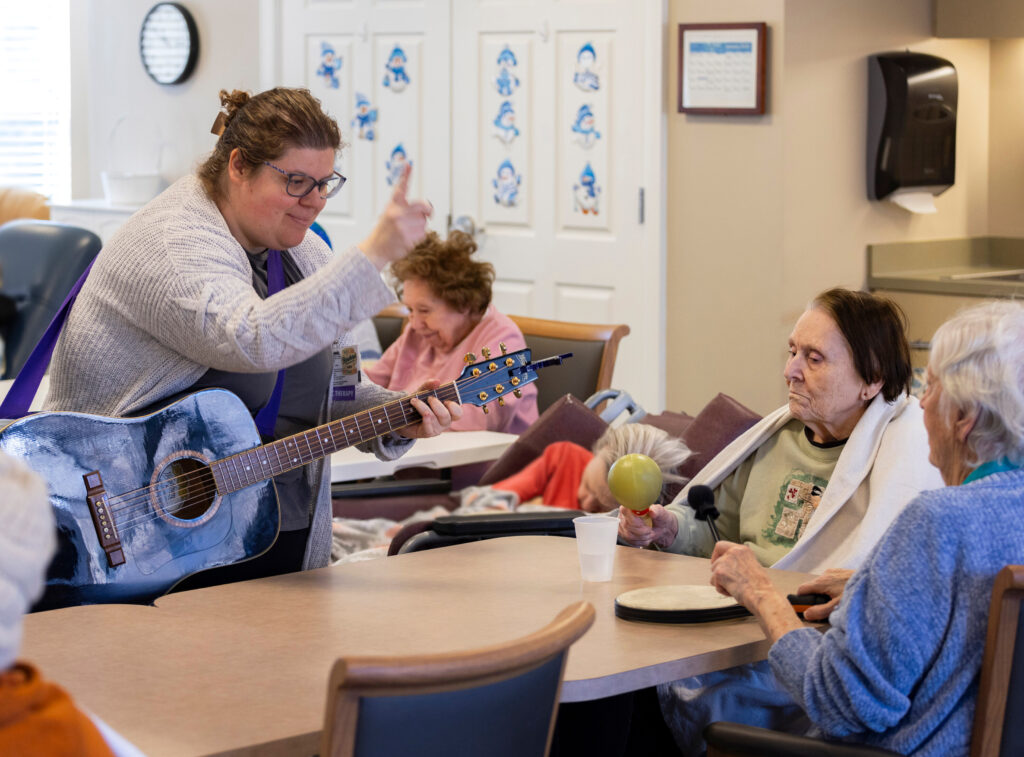
For older adults living with Alzheimer’s disease or other types of dementia, staying active and engaged can make a powerful difference. Purposeful daily activities not only help reduce confusion, agitation, and wandering but also bring joy, boost confidence, and support cognitive function. In memory care communities, structured and thoughtfully designed activities are essential for promoting a sense of well-being, independence, and connection.

This guide explores five enriching memory care activities—exercise, creative arts, brain games, music therapy, and purposeful tasks—that are commonly offered in assisted living communities, and explains why they matter for seniors with memory loss. Whether you’re caring for a loved one at home or exploring memory care options, understanding these activities can help you make informed decisions that prioritize health, dignity, and happiness.

1. Physical Exercise & Movement

Why it matters: Regular movement improves circulation, supports balance, and helps manage dementia-related behaviors like restlessness or aggression. Physical activity can also release endorphins, promoting better mood and sleep.

Common activities include:

  • Chair yoga: Gentle, guided stretches that support mobility and mindfulness.
  • Tai Chi: A slow, flowing form of movement that enhances coordination and reduces fall risk.
  • Daily walks: Whether indoors or outside, supervised walking is simple and effective.
  • Resistance bands or light weights: These help maintain muscle strength without straining joints.

Is exercise safe for seniors with dementia?
Yes—with supervision and guidance. Activities are adapted to match the individual’s abilities and cognitive level, often led by trained staff who ensure safety and encouragement.

2. Brain Games & Cognitive Exercises

Why it matters: Brain training supports memory, attention, and reasoning skills. For individuals with early to moderate-stage dementia, puzzles and games can help maintain cognitive abilities and improve focus.

Popular brain-boosting activities include:

  • Jigsaw puzzles
  • Matching card games
  • Word searches and crossword puzzles (modified for simplicity)
  • Trivia games focused on familiar topics
  • Sorting and sequencing tasks

Can these games slow memory decline?
While they won’t stop dementia progression, cognitive activities may help preserve function and delay further decline—especially when combined with routine, social interaction, and physical movement.

3. Life Skills & Purposeful Tasks

Why it matters: Routine, meaningful tasks create a sense of structure and self-worth. When seniors feel useful, their mood often improves and they remain more socially engaged.

Examples of purposeful activities:

  • Folding towels or sorting laundry
  • Washing vegetables or stirring batter in a cooking activity
  • Setting the table or organizing drawers
  • Gardening in raised beds or indoor planters
  • Feeding fish, birds, or small pets within the community

Are these activities safe?
Yes. Tasks are carefully chosen and adapted to suit each individual’s cognitive and physical abilities. Even simple responsibilities can bring a deep sense of satisfaction and pride.

4. Arts & Crafts

Why it matters: Creative expression taps into emotions and memories in ways that words often cannot. Even when language skills decline, many individuals retain their ability to engage with colors, textures, and patterns.

Engaging crafts may include:

  • Painting and drawing
  • Coloring with stencils or adult coloring books
  • Simple knitting or crocheting
  • Collaging or scrapbooking with family photos
  • Clay modeling or flower arranging

How does art benefit brain health?
Studies show that art stimulates the brain’s sensory and emotional centers, helping seniors feel relaxed, focused, and accomplished. It can also enhance dexterity and reduce anxiety.

5. Music & Reminiscence Therapy

Why it matters: Music has a unique power to spark memories and soothe agitation. Familiar melodies can often trigger emotional responses or verbal expressions, even in people who struggle to communicate otherwise.

Ways music is used in memory care:

  • Listening sessions with personalized playlists
  • Group sing-alongs with classics and favorites
  • Drumming circles or playing simple instruments
  • Movement to music (e.g., clapping, tapping, gentle dancing)

What is reminiscence therapy?
Reminiscence therapy uses prompts like music, photos, or objects to encourage individuals to talk about their past. This can evoke pleasant memories, foster connection, and reinforce identity—helping seniors feel seen and valued.

FAQs About Memory Care Activities

Do memory care residents have a choice in their activities?

Absolutely. While structured programming is provided, residents are encouraged to participate based on their interests, energy level, and mood. Personal choice plays an important role in preserving dignity and autonomy.

Are group activities better than one-on-one?

Both are important. Group activities provide socialization and a sense of community, while one-on-one interactions offer comfort and focused attention—especially helpful for residents with higher levels of memory loss.

How often do activities occur?

In most memory care communities, there are daily programs scheduled throughout the day—from morning movement to evening calming routines. Activities are designed to follow a consistent rhythm to reduce confusion and create a comforting routine.

The Right Environment Matters

When thoughtfully designed, memory care activities can do more than pass the time—they can improve quality of life, reduce anxiety, and strengthen meaningful connections. A successful memory care program doesn’t just keep residents busy; it honors who they are, where they’ve been, and what brings them joy.

If you’re exploring options for memory care in Dayton, OH, Bethany Village offers a warm, supportive environment where personalized engagement is part of everyday life. Our compassionate team is here to help your loved one thrive with dignity and purpose. Contact us today to schedule a tour or learn more about our memory care services.

If you have a parent or loved one living with Alzheimer’s or another form of dementia, planning ahead and finding a memory care community is one of the best decisions you can make for their long-term health and wellbeing.

Especially in the early to mid-stages of dementia, assisted living memory care can provide priceless peace of mind for your loved one and your family. In an assisted living memory care community, residents benefit from 24-hour care, enriching activities and therapies, and gentle support, enabling them to maintain a higher level of independence and make the most of each day.

If you’re starting to search for assisted living memory care for your loved one, it’s important to understand that not all communities are alike. By asking thoughtful questions and touring your top choices, you can determine if a community is the best fit for your family.

Below are five important questions to ask when researching and touring memory care facilities:

What are your loved one’s current needs?

First, you’ll need to identify the level of care your loved one requires to determine if the memory care community can meet their needs. Talking to your loved one’s doctor can help you gain an understanding of the care they currently need and what to expect down the road.

For example, your loved one might need assistance with activities of daily living such as grooming, bathing, dressing, eating, and managing medications, but may not yet require ongoing medical attention or treatments. Choosing an assisted living memory care facility that’s part of a continuing-care retirement community will ensure that your loved one has access to the care they need now and in the future.

Do caregivers have dementia-specific training?

Ideally, you will choose a memory care community that employs highly knowledgeable, experienced staff members who understand the unique challenges of caring for individuals in each stage of dementia. Ask about the type of training staff members receive and if the community invests in ongoing education, so caregivers are always up-to-date on the best practices and latest dementia care techniques.

What amenities and features are available within the community?

Modern memory care communities offer ??a variety of amenities and comforts to make residents feel at home. As you research and tour memory care options, consider which features are most important to you and your loved one.

  • Are living spaces private or shared with other residents? A private room may feel most comfortable and familiar to your loved one.
  • How often are meals provided? Are snacks and beverages offered between meals? Are special dietary requirements accommodated?
  • Are there on-site amenities, like a movie theater, fitness center, beauty salon, and a library?
  • Are there enclosed courtyards so residents can safely enjoy the outdoors?

What types of memory therapies and activities are offered?

Memory-enhancing therapies and activities help individuals with dementia maintain dignity and preserve their sense of self. Ask about the different therapies offered by the memory care community, such as:

Music therapy, which involves listening to familiar tunes, singing along, and playing instruments like drums and tambourines to stimulate memories and boost mood.

Pet therapy, which helps to reduce stress and anxiety through interaction with therapy dogs, rabbits, birds, and other animals.

Art therapy, which prompts self-expression, communication, and reminiscence through guided art projects such as painting, drawing, and crafting.

In addition to these specific therapies, memory care communities may offer person-centered activities such as conversation-starter programs, brain games and puzzles, gardening and floral arrangement, and other entertaining activities tailored to residents’ individual interests.

What security measures are in place to protect residents?

Safety and security are absolutely crucial when choosing an assisted living memory care community because wandering, confusion, and agitation can be common among people with Alzheimer’s and dementia. You’ll want to find a well-secured community that includes intentional design elements and soothing, easy-to-navigate spaces that minimize confusion. Key features to look for include 24-hour security monitoring, secured entrances and exits, and personal alert systems so residents can quickly request help when needed. Find out what procedures the memory care community has in place to protect residents and communicate with family members in the event of an emergency.

Is it Time for Memory Care?

Choosing an assisted living memory care community for your loved one is a big decision. Many families choose to begin the search for memory care early, while their loved one is still independent, so they’re well-prepared when a higher level of care is needed. A good starting point is to take a quick senior living assessment to learn about the different options available — including Pavilion Assisted Living Memory Care at Bethany Village.

As part of Bethany Village’s continuum of care, which includes skilled nursing memory care, moving to Pavilion Assisted Living Memory Care guarantees that your loved one will be surrounded by faithful caring in every stage of their disease. More than providing a safe, secure place to live, Pavilion enhances residents’ quality of life with enriching therapies and meaningful activities offered every day.

See What Life is Like in Pavilion with a Respite Care Stay

If you’re beginning to compare assisted living memory care options, consider scheduling a short-term respite care stay at Bethany Village. During their respite care stay, your loved one will enjoy the same personal care, amenities, and support as our assisted living memory care residents while their family caregivers enjoy peace of mind and a well-deserved break.

Respite care is a wonderful opportunity for your loved one to meet our staff, interact with residents, and experience what it’s like to live in the community before calling Bethany Village home. Many families find that respite care makes the decision to transition to assisted living memory care easier for everyone!

Learn more about respite care and Pavilion Assisted Living Memory Care today. Please call us at 937-433-2110 or fill out our contact form to request more information and arrange a private tour of our beautiful community.

There’s no denying that music is powerful. Hearing just a few notes of a familiar song can transport us back in time, stir up emotions, and evoke memories from the past. This is why music therapy is so effective for older adults with Alzheimer’s disease or other forms of dementia.

In memory care settings, music therapy involves a variety of musical activities such as listening to music, making music, and moving to music. Participating in a music therapy program not only helps to address cognitive issues but it can also improve an individual’s physical, emotional, and social wellbeing.

Here’s a closer look at some of the remarkable benefits of music therapy in memory care:

Improve communication

Music therapy provides a meaningful way for those in memory care to connect with others and express themselves, even if their speech and language skills are declining. In addition to listening to music, individuals are encouraged to sing, hum, and clap along to well-known tunes. Individuals who were nonverbal may even begin to communicate again and express their emotions when music is playing.

Reduce stress and anxiety

Along with memory changes, people with dementia or other memory issues often experience feelings of stress, anxiety, and agitation, sometimes leading to aggressive behaviors. Music has the amazing ability to help ease these feelings and provide mood-boosting benefits. Simply listening to calming music can lower the body’s levels of cortisol, the hormone that contributes to feelings of stress and anxiety.

In memory care, music therapists will select songs with specific instruments, rhythm, and lyrics to elicit positive emotions and make participants feel comfortable and relaxed. Music can be particularly beneficial in addressing sundowning, which occurs when those with dementia or other memory issues become confused, disoriented, and agitated in the evening hours. Playing soft, slow songs such as lullabies can help individuals wind down for the night and prepare for bedtime.

Promote movement

Another big benefit of music is that it inspires movement. Physical activity is essential at any age to keep the mind and body active, and individuals living with memory conditions can significantly benefit from moving along to music. During music therapy, participants enjoy easy movement by playing simple musical instruments like maracas, drums, or tambourines. Additionally, movements such as clapping, tapping feet, and dancing are encouraged in music therapy.

Explore the Benefits of Music Therapy at Bethany Village

Evoking memories, improving communication, reducing stress and anxiety, and promoting movement are just a few of the many important reasons music therapy is so important for older adults in memory care communities.

At Bethany Village, we are proud to have a full-time certified music therapist on staff who works extensively with residents at Pavilion, our newest Assisted Living Memory Care Community. This innovative music therapy program provides powerful benefits to residents living with Alzheimer’s or other memory-related conditions.

For more information about life at Bethany Village and our music therapy program, please contact us.

We all forget things from time to time, whether it’s missing an appointment or misplacing our keys. As we get older, we might experience mild moments of forgetfulness a little more often. These memory lapses can be frustrating, and they may even make you wonder if you should be worried about a serious cognitive condition like dementia or Alzheimer’s disease.

Most of the time, occasional forgetfulness is a normal part of the aging process, not a cause for concern. Still, it’s important to understand the distinction between normal memory lapses and the warning signs of dementia, so you know when to get help for yourself or a loved one.

Here are some helpful tips on how to tell the difference between normal age-related forgetfulness and memory conditions like dementia.

Signs of normal age-related memory changes:

  • Misplacing items from time to time, like car keys or glasses.
  • “Blanking” on the names of acquaintances or mistakenly mixing up the names of family members.
  • Taking longer to learn new information or skills.
  • Occasionally walking into a room and forgetting why you entered in the first place.
  • Losing focus or becoming easily distracted in conversations.
  • Sometimes having trouble finding the right word to use, even if it’s on the tip of your tongue.

These signs tend to come with age and are considered normal among older adults. They are generally not considered to be warning signs of dementia.

Symptoms that may indicate dementia:

The main difference between age-related forgetfulness and dementia is that the latter impacts one’s daily life activities, hobbies, and relationships. Some common signs may include:

  • Frequent confusion or disorientation about the time or familiar people and places.
  • Not being able to follow instructions or directions.
  • Having trouble holding conversations by forgetting or misusing words, repeating phrases and stories, or asking the same questions over and over.
  • Major changes in personality, such as aggression, impulsiveness, and poor judgment.
  • Difficulty with simple, everyday tasks such as paying bills, taking medication, dressing appropriately, or grooming.

When to get help for memory concerns

When memory lapses become frequent, more noticeable, or impact daily life, consider consulting a doctor. Early diagnosis can help treat memory conditions and slow the rate of cognitive decline.

For older adults diagnosed with Alzheimer’s disease, Parkinson’s disease, or another form of dementia who need more care than can be provided at home, moving to an Assisted Living Memory Care community can be a good solution. These communities offer 24/7 memory care and support in a soothing, family-like environment to empower older adults and enhance overall their quality of life. Assisted Living Memory Care also provides peace of mind to families because they know their loved ones will be safe and well cared for at all times.

If you’re wondering if it’s the right time for senior living, either for yourself or an older loved one, find out which options are the best fit with this quick 4-5 minute survey. You’ll receive a personalized Senior Living Fit Report you can use to start conversations and plan for the future.

Learn more about Assisted Living Memory Care

When you’re ready for more information about Assisted Living Memory Care at Bethany Village, please contact us today. We look forward to meeting you and your family and answering your questions.

When a loved one is diagnosed with Alzheimer’s disease or another dementia, there are many difficult decisions to make, including when to consider residential memory care. Because no two people experience dementia in exactly the same way, it’s hard to predict how quickly an individual’s symptoms will progress over time. In the early stages of dementia, a person might be able to live independently or with family caregivers. But as the disease progresses, it will inevitably reach a point when the person requires more care than can be provided at home.

When this time comes for your family, moving to assisted living memory care can be the best way to improve your loved one’s safety, comfort, and quality of life. These special communities were designed specifically for older adults with dementia and provide memory care and support in a secure, welcoming environment.

So, how do you know when your loved one needs memory care? While every situation is different, here are some of the signs you should be looking for:

Behavioral changes

Many people with Alzheimer’s or another dementia experience unpredictable behavioral changes as the disease progresses, such as anxiety, anger, aggression, depression, delusions, and hallucinations. Pay attention to these changes; they may indicate your loved one needs specialized support from caregivers trained in dementia care.

Safety concerns

In the middle stages of dementia, confusion, disorientation, and wandering may become more prominent. These symptoms may pose safety risks, especially if the person with dementia is still driving. If you’re constantly worried about your loved one accidentally getting into harm’s way, it’s time to consider memory care. You will have peace of mind knowing your loved one is living in a safe, secure environment with access to help 24/7 if an emergency occurs.

A noticeable decline in personal care and overall health

Is your loved one looking unusually thin or frail? Are they keeping up with their personal hygiene, including bathing, grooming, and dressing appropriately? Do they remember to take their medication, and in the right doses? If you notice a significant change in your loved one’s appearance, it could be a sign they are unable to care for themselves as they once did. In assisted living memory care, older adults receive help with daily tasks such as bathing, grooming, dressing, and medication management. Additionally, memory care residents enjoy chef-prepared meals each day, so there’s no need for grocery shopping or cooking.

Social isolation

Alzheimer’s and other dementias often cause older adults to lose interest in hobbies and withdraw from social activities they once enjoyed. This can lead to loneliness, anxiety, and depression. If you notice your loved one becoming more and more distant, consider the benefits of moving to an assisted living memory care community that provides engaging individual and group activities specifically for people with dementia.

Caregiver stress and burnout

Caring for a loved one with Alzheimer’s or dementia is never easy, and it will only get more demanding as the disease progresses. All too often, caregivers are so busy providing care that they neglect their own physical and mental health needs. Over time, this can lead to stress, guilt, and even resentment toward the person receiving care.

When caregiving becomes so overwhelming that it’s affecting your quality of life, it’s time for memory care. Getting professional help and support can take the stress out of caregiving and improve your relationship with your loved one. Instead of focusing all your attention on caregiving duties and worrying about the future, you will be able to spend more quality time together enjoying the present.

Start the memory care search early

If your loved one has an Alzheimer’s or dementia diagnosis, it’s not too early to start learning about memory care options for the future. It’s better to be proactive and start looking early—before your loved one needs it. You’ll have more time to research assisted living memory care communities and ensure a smoother transition when the time comes.