On April 20, 2024, a group of 13 esteemed veterans from our Bethany Village community…
Throughout Graceworks Enhanced Living, homes are filled with love, care, and family. For many…
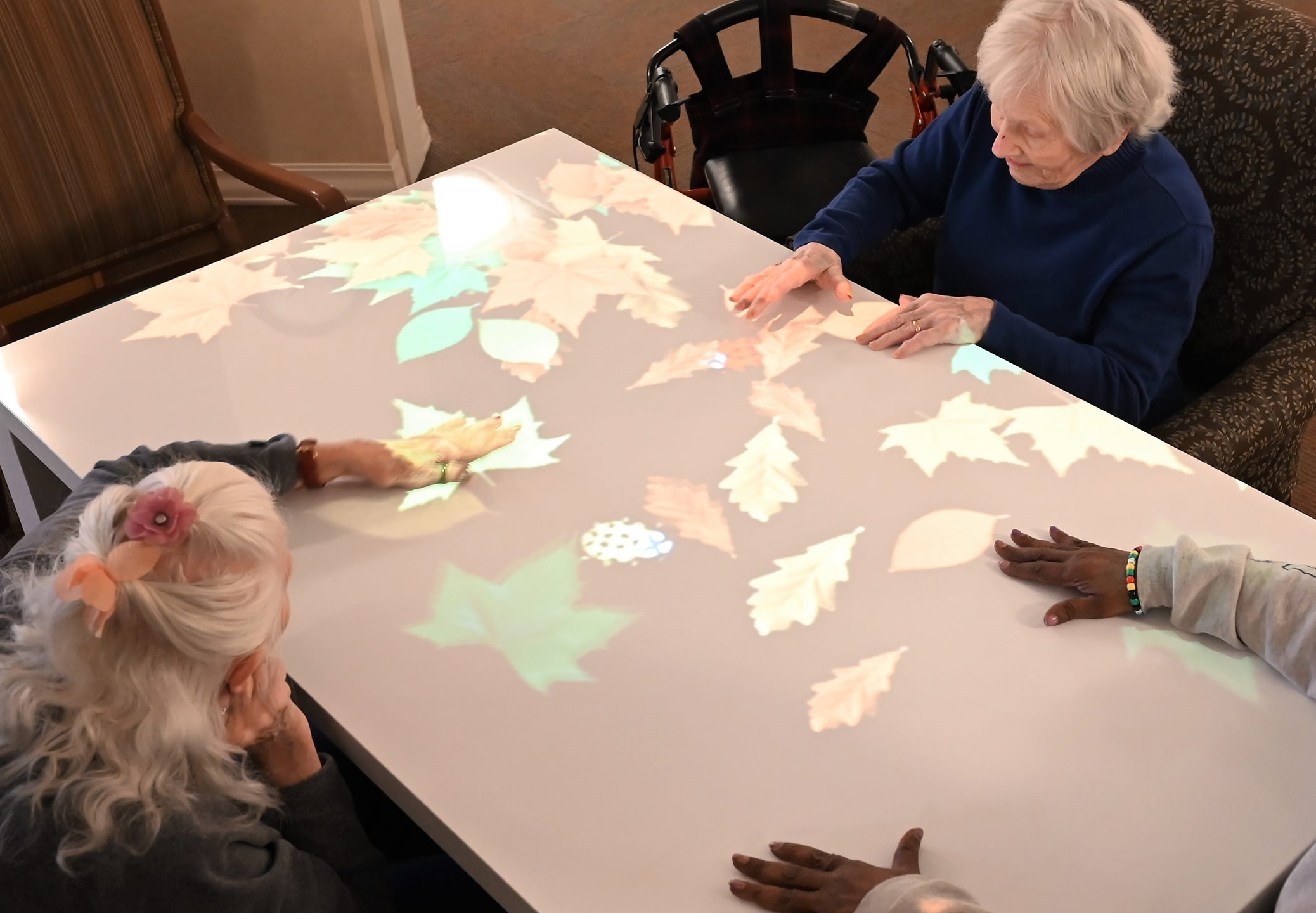
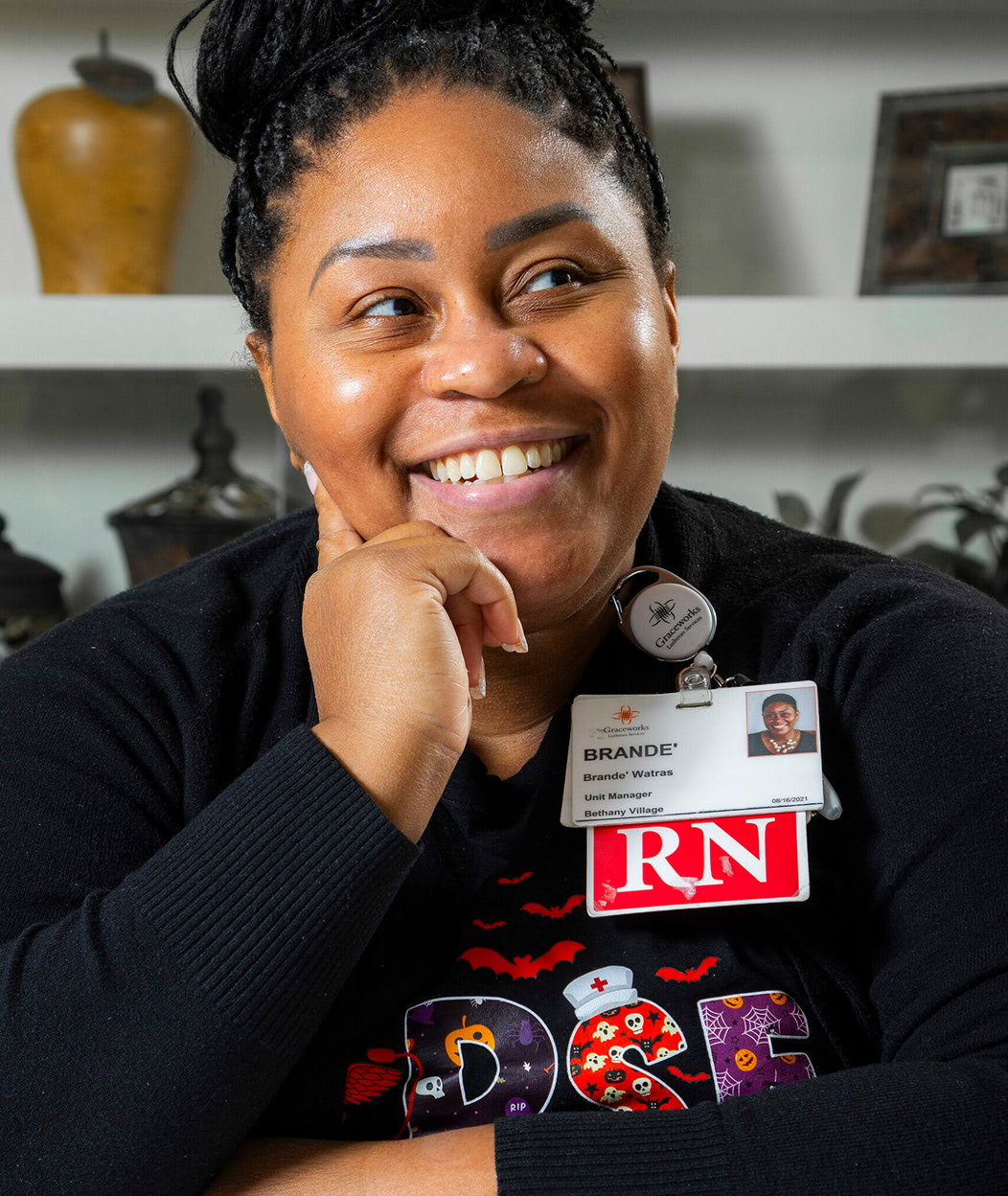
The Tover has had an instant social impact, creating an inclusive environment for residents with varying cognitive abilities. Brande’ Watras, Nurse Manager at Bethany Village, described a group sitting around the table, playing a game of soccer with their hands. “We found that some of the residents were encouraging their peers to play. It was incredible to witness the sense of accomplishment and purpose residents felt by helping their peers participate.”
These games, and the involvement of the staff, have brought residents together in remarkable ways as they can play one-on-one or in groups, with caregivers, or with family members.
Image Title
Image caption can go right over here.
These games, and the involvement of the staff, have brought residents together in remarkable ways as they can play one-on-one or in groups, with caregivers, or with family members.
“For grandchildren, it feels like a video game. They can pick it up quickly and engage with their family members through the Tover. It’s helping to facilitate connections that otherwise might not happen.”
The Tover has also been a springboard for activities to reach residents on a deeper level. One popular game has residents “rake” leaves on the projector table. Staff brought fallen leaves from outside to have residents see, touch and smell as they played the game, and asked questions inviting residents to share their memories and autumn experiences.
“We can ask questions along with each game and talk about their memories,” said Brande’. Their faces light up with recognition and the confidence of the players grows as they play the games and share memories.
“Part of the challenge of dementia is that residents are overwhelmed and may struggle making choices. The Tover gives more opportunities to exercise cognition and keep skills longer. Now, we have more options that give them the power of choice. There’s a sense of fulfillment for residents in being able to decide how they’re going to spend their days.”
On April 20, 2024, a group of 13 esteemed veterans from our Bethany Village community…
For older adults living with Alzheimer’s disease or other types of dementia, staying active and engaged can make a powerful difference. Purposeful daily activities not only help reduce confusion, agitation, and wandering but also bring joy, boost confidence, and support cognitive function. In memory care communities, structured and thoughtfully designed activities are essential for promoting a sense of well-being, independence, and connection.
This guide explores five enriching memory care activities—exercise, creative arts, brain games, music therapy, and purposeful tasks—that are commonly offered in assisted living communities, and explains why they matter for seniors with memory loss. Whether you’re caring for a loved one at home or exploring memory care options, understanding these activities can help you make informed decisions that prioritize health, dignity, and happiness.
1. Physical Exercise & Movement
Why it matters: Regular movement improves circulation, supports balance, and helps manage dementia-related behaviors like restlessness or aggression. Physical activity can also release endorphins, promoting better mood and sleep.
Common activities include:
Chair yoga: Gentle, guided stretches that support mobility and mindfulness.
Tai Chi: A slow, flowing form of movement that enhances coordination and reduces fall risk.
Daily walks: Whether indoors or outside, supervised walking is simple and effective.
Resistance bands or light weights: These help maintain muscle strength without straining joints.
Is exercise safe for seniors with dementia?
Yes—with supervision and guidance. Activities are adapted to match the individual’s abilities and cognitive level, often led by trained staff who ensure safety and encouragement.
2. Brain Games & Cognitive Exercises
Why it matters: Brain training supports memory, attention, and reasoning skills. For individuals with early to moderate-stage dementia, puzzles and games can help maintain cognitive abilities and improve focus.
Popular brain-boosting activities include:
Jigsaw puzzles
Matching card games
Word searches and crossword puzzles (modified for simplicity)
Trivia games focused on familiar topics
Sorting and sequencing tasks
Can these games slow memory decline?
While they won’t stop dementia progression, cognitive activities may help preserve function and delay further decline—especially when combined with routine, social interaction, and physical movement.
3. Life Skills & Purposeful Tasks
Why it matters: Routine, meaningful tasks create a sense of structure and self-worth. When seniors feel useful, their mood often improves and they remain more socially engaged.
Examples of purposeful activities:
Folding towels or sorting laundry
Washing vegetables or stirring batter in a cooking activity
Setting the table or organizing drawers
Gardening in raised beds or indoor planters
Feeding fish, birds, or small pets within the community
Are these activities safe?
Yes. Tasks are carefully chosen and adapted to suit each individual’s cognitive and physical abilities. Even simple responsibilities can bring a deep sense of satisfaction and pride.
4. Arts & Crafts
Why it matters: Creative expression taps into emotions and memories in ways that words often cannot. Even when language skills decline, many individuals retain their ability to engage with colors, textures, and patterns.
Engaging crafts may include:
Painting and drawing
Coloring with stencils or adult coloring books
Simple knitting or crocheting
Collaging or scrapbooking with family photos
Clay modeling or flower arranging
How does art benefit brain health? Studies show that art stimulates the brain’s sensory and emotional centers, helping seniors feel relaxed, focused, and accomplished. It can also enhance dexterity and reduce anxiety.
5. Music & Reminiscence Therapy
Why it matters: Music has a unique power to spark memories and soothe agitation. Familiar melodies can often trigger emotional responses or verbal expressions, even in people who struggle to communicate otherwise.
Ways music is used in memory care:
Listening sessions with personalized playlists
Group sing-alongs with classics and favorites
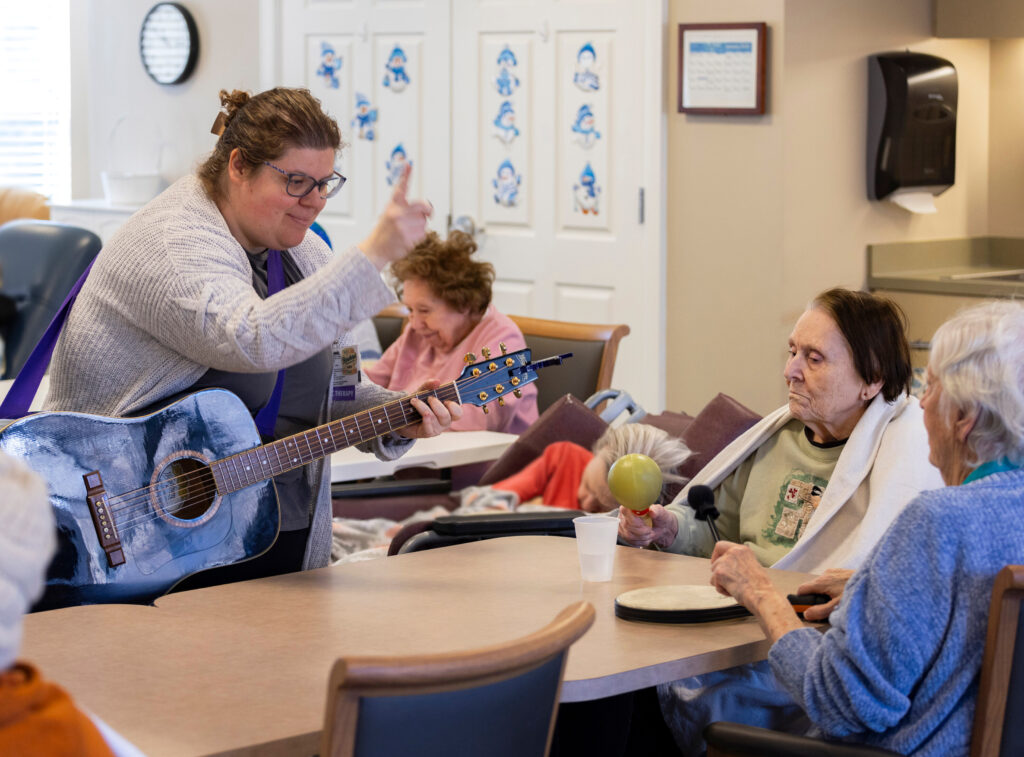
Drumming circles or playing simple instruments
Movement to music (e.g., clapping, tapping, gentle dancing)
What is reminiscence therapy? Reminiscence therapy uses prompts like music, photos, or objects to encourage individuals to talk about their past. This can evoke pleasant memories, foster connection, and reinforce identity—helping seniors feel seen and valued.
FAQs About Memory Care Activities
Do memory care residents have a choice in their activities?
Absolutely. While structured programming is provided, residents are encouraged to participate based on their interests, energy level, and mood. Personal choice plays an important role in preserving dignity and autonomy.
Are group activities better than one-on-one?
Both are important. Group activities provide socialization and a sense of community, while one-on-one interactions offer comfort and focused attention—especially helpful for residents with higher levels of memory loss.
How often do activities occur?
In most memory care communities, there are daily programs scheduled throughout the day—from morning movement to evening calming routines. Activities are designed to follow a consistent rhythm to reduce confusion and create a comforting routine.
The Right Environment Matters
When thoughtfully designed, memory care activities can do more than pass the time—they can improve quality of life, reduce anxiety, and strengthen meaningful connections. A successful memory care program doesn’t just keep residents busy; it honors who they are, where they’ve been, and what brings them joy.
If you’re exploring options for memory care in Dayton, OH, Bethany Village offers a warm, supportive environment where personalized engagement is part of everyday life. Our compassionate team is here to help your loved one thrive with dignity and purpose. Contact us today to schedule a tour or learn more about our memory care services.
The phrase “use it or lose it” is often used to describe the importance of improving balance, strength, and mobility as we age. While it’s natural to lose some flexibility and functionality as we get older, incorporating safe, regular movement can make a world of difference when it comes to active aging—and a senior physical therapy program is an excellent place to start.
What is physical therapy?
Physical therapists are movement experts who improve quality of life through hands-on care, patient education, and prescribed exercise. Contrary to popular belief, physical therapy is not just for those recovering from major injuries. For seniors, proactive physical therapy can help them improve their balance and strength, increase mobility, and enhance their overall fitness, all of which can allow them to maintain their independence for longer and continue doing what they love most.
Here’s a closer look at some of the many benefits of physical therapy for seniors:
#1: Prevent falls
Falls are the leading cause of both fatal and non-fatal injuries in adults over the age of 65, and one in four older Americans will experience a fall each year. Even if a fall doesn’t result in a major injury, it can cause a senior to become fearful of falling again, which may make it difficult for them to stay active and maintain the same quality of life.
Thankfully, falls can be prevented. Physical therapists use special exercises to help seniors improve their coordination, flexibility, strength, and gait. Physical therapy is also used after falls to help seniors recover and reduce their risk of future falls.
#2: Relieve and manage chronic pain naturally
According to the American Physical Therapy Association (APTA), physical therapy is recognized as a natural, safe, and effective alternative to prescription pain medication to treat chronic pain conditions. Physical therapy can help patients manage their pain while relying on lower doses or less frequent doses of medicine, or even none at all.
#3: Enhance recovery and healing
Physical therapy plays a vital role in the recovery process after a serious illness, injury, or scheduled surgery such as a joint replacement. In addition to relieving pain and discomfort, physical therapy help reduce swelling and inflammation, promote healing, and ultimately speed up recovery time.
#4: Treat the symptoms of certain health conditions
Physical therapy is also used to help address the symptoms of certain health conditions and diseases that become more common with age. Seniors are turning to physical therapy for help with specific health issues such as:
Arthritis — Physical therapy treatments can help reduce swelling and pain
Stroke — Physical therapists can help seniors recovering from a stroke regain strength and function to the affected parts of the body
Bladder control — Although urinary incontinence is a common problem among seniors, it doesn’t have to be an inevitable part of aging. Pelvic floor physical therapy can help seniors improve strength in certain muscles to keep symptoms at bay.
Parkinson’s disease — Early intervention with physical therapy can help delay the progression of severe Parkinson’s symptoms and preserve a greater level of flexibility and mobility
Alzheimer’s disease — Physical therapy for seniors with Alzheimer’s or other forms of dementia often involves familiar types of movement such as walking, dancing, and gardening to help them promote mobility and reduce fall risks
#5: Maintain an active, healthy lifestyle
It’s never too late to reap the health rewards of exercise, which is a key component of active aging. For seniors who have been inactive for a while and want to begin an exercise routine, physical therapy provides a safe, effective way to get started. Working one-on-one with a physical therapist can help seniors gain the mobility and confidence they need to safely progress to other physical activities such as walking, swimming, golfing, or strength and aerobics classes.
In-home or on-site physical therapy: Which is right for you?
Physical therapy can be provided in a variety of different settings. For example, seniors who wish to receive physical therapy treatments in their own home may choose at-home physical therapy services. This option is ideal for older adults who need therapy treatments a few times a week but have difficulty leaving the house.
A short-term stay in an inpatient senior rehabilitation center is often recommended for seniors who are recovering from a serious illness, surgery, or injury and need daily support and therapy treatments. Specialized senior rehabilitation facilities, like the Bethany Rehabilitation Center, were designed to help older adults focus on their recovery in a supportive, healing environment.
Located on the beautiful Bethany Village campus, the state-of-the-art Bethany Rehabilitation Center provides short-term nursing care and a full range of therapy services—including physical, occupational, and speech therapy—to help seniors recuperate and get back to doing what they love. After completing their inpatient rehab stay, many seniors choose to continue their recovery with at-home physical therapy through Graceworks at Home, which delivers Bethany Village care in the comfort of home.
If you would like to learn more about the physical therapy services provided by Graceworks at Home or the Bethany Rehabilitation Center, please give us a call at (937) 433-2110 or fill out our contact form, and we’ll be in touch with you right away.
Moving is a significant, life-changing event at any stage of life. For seniors relocating from their home into an assisted living community, the transition can be especially difficult. It’s not uncommon for seniors (and their families) to experience stress about downsizing, anxiety about leaving behind familiar surroundings and losing connections with friends, and uncertainty about life in a brand new community.
Are you wondering what you can do to make the move to assisted living as smooth as possible? Keep these five tips in mind:
#1: Give assisted living a trial run
The fear of the unknown can make the idea of moving to assisted living overwhelming for seniors and their families alike. To help everyone feel more comfortable and confident about the decision, consider arranging a temporary respite care stay in an assisted living community.
Respite care allows seniors and their families to “test the waters” and find out if a community is a good fit before making a permanent move. During their respite care stay, your loved one will meet other residents and experience all the amenities, activities, services, and support the assisted living community has to offer. Meanwhile, you and your family will get to know the community’s staff and understand what to expect when your loved one becomes a resident. In this way, respite care can be a valuable step in the process of moving to an assisted living community!
#2: Start the downsizing process early
After finding the right assisted living community for your loved one, it’s important to start the downsizing process as early as possible. Downsizing a house full of memories can be difficult physically and emotionally for everyone involved. It may take longer than you think to sort through your loved one’s belongings and help them decide what to keep, pass down to family members, or donate. A good place to start is by understanding the square footage of your loved one’s new assisted living apartment, which will help as you plan for furniture size and storage needs.
When time is of the essence, working with a professional organizer or senior move manager can help make downsizing a smoother, more seamless transition. At Bethany Village, our Transitions Coordinators are here to connect families with trusted local resources to help with every step of the moving process.
#3: Make their new space familiar and inviting
Adjusting to a new living space takes time, but including a few familiar pieces will go a long way in easing your loved one’s transition to assisted living. For example, even if your loved one needs new furniture to fit their assisted living suite, you could select familiar colors and arrange the room similarly to their previous home. Another tip is to display favorite family photos, artwork, decorative items, and mementos prominently. Paying attention to the little details can make a new, unfamiliar space feel more like home.
#4: Encourage them to get involved
As soon as your loved one becomes a resident, they’ll have endless opportunities to get involved in life enrichment activities and fun social events. Before move-in day, review the community’s calendar with your loved one and encourage them to choose one or two activities to try. Participating in community events is a great way to meet other residents who share common interests and passions.
At Bethany Village, we have dedicated social workers assigned to each family and resident to make the transition process even easier. We encourage families to meet with their social worker in advance to let them know of their loved one’s favorite hobbies and interests. This way, your loved one will have another familiar face in the community encouraging them to venture out. Before long, your loved one will be making new friends and finding new things to look forward to each week!
#5: Keep in touch
Before your loved one’s move, it’s a good idea to coordinate a schedule for family members to visit or call. Setting aside some time to check-in will help your loved one feel loved and appreciated as they get used to their new home. Once your loved one is settled in and getting involved in regular community activities, you may need to set up a new visiting schedule to fit their routine.
Be patient and stay positive!
Helping an aging loved one move to assisted living is a big life change that will come with its share of highs and lows. Don’t worry if everything doesn’t go as smoothly as you expected, especially in the first few weeks. It will get easier! Be patient, stay positive, and remember that you’re making the best decision for your loved one.
Start the senior living search
If you know your loved one needs more daily assistance, but you’re not quite sure where to start, Bethany Village has a useful tool to help families evaluate what living options might be a good fit. Use this quick 4-5 minute survey to weigh your options.
To arrange a respite care stay at Bethany Village or schedule a tour of our beautiful community, please contact us today. We’d love to hear from you and answer any questions you may have!
When you or an older loved one begins to need extra support at home, enlisting the help of a home health care provider can be invaluable. Home healthcare makes it possible for seniors to “age in place” by offering a range of medical services to help them remain safe, happy, and healthy in the comfort of their homes.
Today, there are many different types of home health care providers, but not all offer the same quality of care. As you research and compare home health care options to find the best fit, be sure to ask the following questions:
#1: What is the provider’s background and reputation?
Reputation matters when choosing a home health care provider. How long have they been providing services? Is the provider part of a large corporate chain, or local to your community? Are they recommended by health care professionals, caregivers, and patients? Reading online reviews can provide some insight into a provider’s reputation and give you an idea of what to expect.
#2: What types of services does the home health care provider offer?
Some home health care providers only specialize in certain services or levels of care. But because older adults’ care requirements change over time, it’s best to look for a provider that offers a wide range of in-home care services to ensure their needs are covered now and in the future.
For example, Bethany Village Home Health Care provides skilled nursing and licensed therapy services in the comfort of home, including physical, speech, and occupational therapy, wound care, IV therapy, and medication management.
#3: How does the home healthcare provider select and train its employees?
When choosing a home health care provider, you want to know that you’re bringing in people into your home that you can trust. Don’t be shy about asking questions to find the best fit for yourself or a loved one. How does the provider select its caregivers? Do they perform thorough background checks? Do employees receive ongoing training?
Bethany Village Home Health Care is part of Bethany Village , one of the area’s premier senior living communities, which means our skilled nurses and therapists are thoroughly screened and trained to ensure they meet our high standards of quality.
#4: Is the provider highly rated for patient satisfaction?
Medicare.gov gives patient satisfaction surveys each year, asking patients (or their family or friends) about their home health care, and if they would recommend that agency to someone else. Bethany Village Home Health Care has been rated 5 stars for patient satisfaction — the highest rating — reflecting our commitment to quality care and personalized services.
#5: How does the provider include the patient and their family in the care plan?
Before choosing a home healthcare provider, be sure you understand their process. How do they assess a patient’s current and potential needs and develop a customized care plan? Are treatment plans and services documented and explained to the patient and their caregivers? How does the provider communicate with family members about their loved one’s progress, changes to their care plan, or any other concerns?
When it comes to home healthcare, you have a choice!
Whether you or a loved one are recovering from an illness or injury you can count on Bethany Village Home Health Care to provide exceptional quality care in the comfort of home. The compassionate caregivers at Graceworks at Home deliver a range of professional at-home care services — including skilled nursing and licensed therapy services — with the same dedication to Faithful Caring as the staff at Bethany Village.
To learn more and arrange at-home care for yourself or a loved one through Bethany Village Home Health Care, please contact us today.
Feeling “young at heart” is more than just a saying. It’s a powerful mindset that can actually impact our health and wellbeing as we get older. Studies have found that seniors who feel younger than their actual age may even live longer compared with those who feel their age! By adopting healthy habits and an optimistic outlook toward the future, anyone can feel younger than their years and benefit from the power of positive aging.
What is positive aging?
Positive aging, also known as “healthy aging,” is the view that aging is a healthy, normal part of life. With the right supports, seniors can continue enjoying the activities and aspects of life that are most important to them as they grow older. Senior living communities that embrace the concept of positive aging, like Bethany Village, take a holistic approach to senior care by taking residents’ physical, mental, social, spiritual, and emotional health and wellbeing all into account rather than measuring physical health alone. In this way, senior living communities help residents not only age well, but live happier and more fulfilling lives.
What can you do to maintain a positive outlook on life and experience the power of positive aging? Here are a few important steps to take:
#1: Keep moving
Exercise is one of the best things you can do for your health — at any age. Regular physical activity is a proven way to reduce stress, maintain strength and balance, and enhance and protect brain function. Best of all, living in a senior living community makes it easy and convenient for seniors to focus on their fitness goals.
For example, Bethany Village features a state-of-the-art fitness center with free weights, treadmills, recumbent bikes and steppers, and other low-impact, easy-to-use equipment with senior fitness experts nearby to provide help when needed. Residents may also choose to participate in an array of fun, engaging group fitness classes for every level of ability. For residents who enjoy walking for exercise, Bethany Village features beautiful outdoor trails and indoor pathways that unite the entire community.
#2: Do what brings you joy
Another way to feel young at heart as you grow older is to pursue your passions and the activities that you love. One of the biggest benefits of moving into an easier-to-maintain residence in a senior living community is having more freedom to expand on your current hobbies or even take up a new one if you choose. Because residents no longer need to worry about household chores and repairs, yard work, and cooking every meal, they can spend their time on things that give them a sense of purpose and joy. From volunteering to traveling, exploring artistic abilities, joining clubs, and learning new skills, the possibilities are endless!
#3: Stay socially engaged
Living in a vibrant social environment is another secret to positive aging. Where we live can impact our wellbeing — for better or worse. For example, seniors who are socially isolated may experience poorer physical, mental, and emotional health outcomes than those who enjoy a strong support network with daily opportunities for socialization.
The desire to be actively involved in a community with people of the same age is a compelling reason for many seniors to move from a longtime home into senior living. Being surrounded by friendly neighbors and making friends who share similar interests through social activities and on-campus events can significantly improve a senior’s outlook and quality of life as they grow older.
Feel Young at Heart, No Matter Your Age!
It’s never too late to try new things, form new friendships, and feel young at heart. After all, age is just a number!
At Bethany Village, we witness the benefits of promoting positive aging every day. By providing faithful caring and safe, comfortable accommodations for every lifestyle, Bethany Village makes it possible for residents to pursue their passions, maintain close relationships, and celebrate the everyday joys that make life meaningful.
Experience the Power of Positive Aging at Bethany Village
Bethany Village promotes positive aging at every stage by offering the complete spectrum of senior care on one campus, including independent living, assisted living, memory care, skilled nursing care, and an on-campus rehabilitation center. To request more information and schedule a private tour of our senior living community, please contact us today!
Bethany Rehabiliation Center
After spending time in the hospital, whether for an illness, accident, or planned elective surgery, seniors are often faced with the decision to either recover in a short-term rehabilitation facility or at home.
While it’s natural to want to get back to a familiar setting as soon as possible following a hospital stay, there are significant benefits to choosing an inpatient senior rehab center instead of returning home. In many cases, healthcare providers will recommend senior patients arrange a short-term rehab stay and home healthcare services to promote a safer, faster, and successful recovery.
What is short-term senior rehab?
Short-term senior rehabilitation, also known as post-acute rehab, offers seniors round-the-clock care and therapies as they recover after a hospitalization due to a fall, joint replacement or other surgery, or illness. Seniors will typically stay in a short-term rehab facility for 21 days or less depending on their care plan, allowing them to recover in a supportive, healing environment.
Some senior rehabilitation facilities, like the Bethany Rehabilitation Center, are part of continuing-care retirement communities (CCRCs) and provide additional services such as medication management, nutrition and dietary guidance, pastoral care, and life enrichment activities.
How can short-term rehab care promote faster recovery?
Short-term rehabilitation offers a number of unique advantages for seniors, helping them regain strength and confidence as they transition from hospital to home. Here’s a look at some of the ways short-term rehab promotes a smoother recovery:
24/7 personalized care and support
In a short-term rehabilitation center, an interdisciplinary team of nurses, therapists, social workers, and physicians work together to create a coordinated treatment plan for each patient. Depending on an individual’s needs, this may include wound care or IV treatment, medication management, and therapy treatments such as physical therapy, occupational therapy, or speech therapy.
Because short-term rehab patients are always surrounded by caring professionals, the recovery process is comprehensive and consistent. There’s no need for patients or their families to worry about arranging transportation or remembering to do therapy exercises at home — instead, they can relax and focus on getting better. The 24/7 care provided in short-term senior rehab also means that extra help is always close by in case of an emergency or health setback. In this way, inpatient rehab helps seniors speed up their path to recovery while providing priceless peace of mind.
Comfortable, Peaceful Setting
Unlike the cold and clinical nature of a hospital environment, short-term senior rehab facilities are designed to be warm and inviting. For example, the Bethany Rehabilitation Center offers private rooms and bathrooms, beautiful outdoor spaces and walkways, delicious dining options, a beauty salon, and enriching activities to provide seniors with maximum comfort and convenience. With everything in one place, short-term rehab patients are able to focus on recovering, healing, and resting.
Emotional support and encouragement
Rehabilitation is not just physical; it’s a mental and emotional experience, too. Every patient has different needs and challenges to overcome, and it’s normal to feel frustrated, discouraged, tired, angry, or upset during the rehab process. Receiving daily support and encouragement from a caring and compassionate rehabilitation team can make all the difference in helping seniors stay motivated and continue their progress.
Plan Ahead for Short-Term Senior Rehab — and Beyond
Recovery is a long journey. Even after returning from a short-term rehab stay, it’s often necessary for seniors to continue receiving therapy treatments, skilled nursing care, or personal assistance at home to fully recover. In this stage of their rehabilitation, seeking help from a home healthcare provider can enhance a senior’s daily life, improve their independence and safety at home, and prevent return visits to the hospital.
In the case of elective surgery, such as a joint replacement, doctors often recommend seniors and their families have a recovery plan in advance. It’s important to remember that not every short-term senior rehab facility or home healthcare provider is alike, and patients have a choice in where they’d like to receive care. It’s well worth taking the time to research, tour, and compare the options to ensure you select a rehab center and home healthcare agency that provides the amenities and services you want and need.